


Influence of a lifestyle intervention in preschool children on physiological and psychological parameters (Ballabeina): study design of a cluster randomized controlled trial
- PMID: 19335890
- PMCID: PMC2676270
- DOI: 10.1186/1471-2458-9-94
Influence of a lifestyle intervention in preschool children on physiological and psychological parameters (Ballabeina): study design of a cluster randomized controlled trial
Abstract
Background: Childhood obesity and physical inactivity are increasing dramatically worldwide. Children of low socioeconomic status and/or children of migrant background are especially at risk. In general, the overall effectiveness of school-based programs on health-related outcomes has been disappointing. A special gap exists for younger children and in high risk groups.
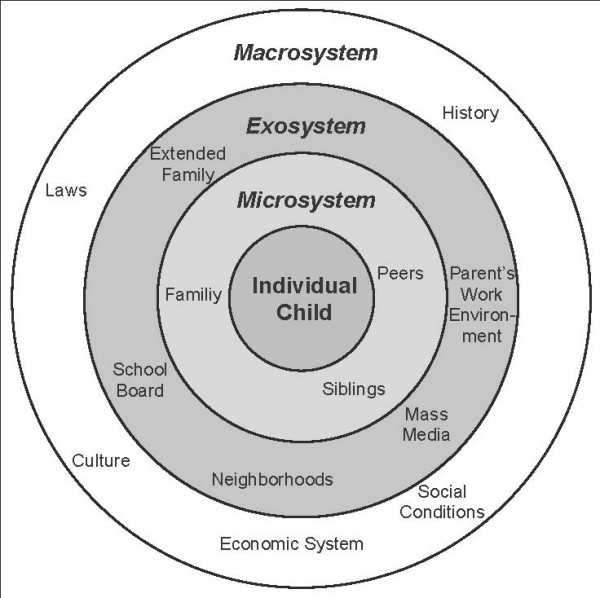
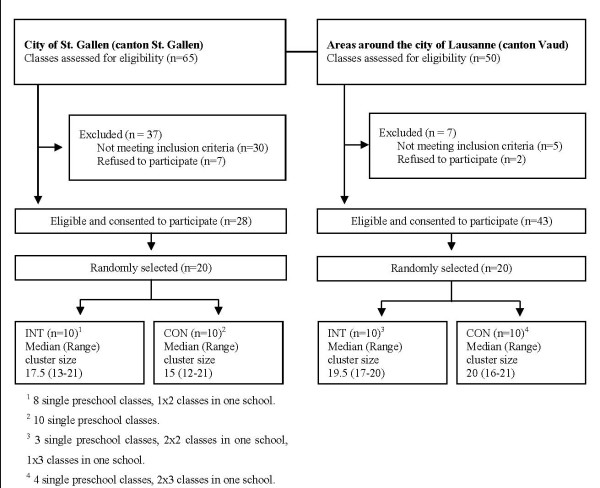
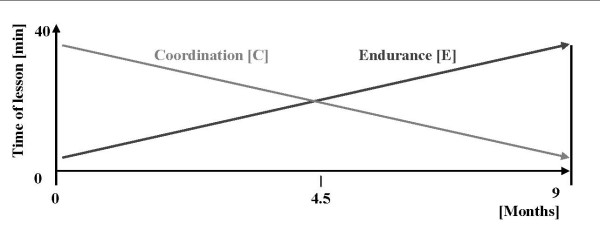
Methods/design: This paper describes the rationale, design, curriculum, and evaluation of a multicenter preschool randomized intervention study conducted in areas with a high migrant population in two out of 26 Swiss cantons. Twenty preschool classes in the German (canton St. Gallen) and another 20 in the French (canton Vaud) part of Switzerland were separately selected and randomized to an intervention and a control arm by the use of opaque envelopes. The multidisciplinary lifestyle intervention aimed to increase physical activity and sleep duration, to reinforce healthy nutrition and eating behaviour, and to reduce media use. According to the ecological model, it included children, their parents and the teachers. The regular teachers performed the majority of the intervention and were supported by a local health promoter. The intervention included physical activity lessons, adaptation of the built infrastructure; promotion of regional extracurricular physical activity; playful lessons about nutrition, media use and sleep, funny homework cards and information materials for teachers and parents. It lasted one school year. Baseline and post-intervention evaluations were performed in both arms. Primary outcome measures included BMI and aerobic fitness (20 m shuttle run test). Secondary outcomes included total (skinfolds, bioelectrical impedance) and central (waist circumference) body fat, motor abilities (obstacle course, static and dynamic balance), physical activity and sleep duration (accelerometry and questionnaires), nutritional behaviour and food intake, media use, quality of life and signs of hyperactivity (questionnaires), attention and spatial working memory ability (two validated tests). Researchers were blinded to group allocation.
Discussion: The purpose of this paper is to outline the design of a school-based multicenter cluster randomized, controlled trial aiming to reduce body mass index and to increase aerobic fitness in preschool children in culturally different parts of Switzerland with a high migrant population.
Trial registration: Trial Registration: (clinicaltrials.gov) NCT00674544.
Figures
References
-
- Obesity: preventing and managing the global epidemic. Report of a WHO consultation. World Health Organ Tech Rep Ser. 2000;894:i–xii. 1–253. - PubMed
-
- Zahner L, Muehlbauer T, Schmid M, Meyer U, Puder JJ, Kriemler S. Association of sports club participation with fitness and fatness in children. Med Sci Sports Exerc. 2009;41:344–350. - PubMed
Publication types
MeSH terms
Associated data
LinkOut - more resources
Full Text Sources
Medical
Miscellaneous
