


Ten-year results of an inset biconvex patella prosthesis in primary knee arthroplasty
- PMID: 19347413
- PMCID: PMC2690758
- DOI: 10.1007/s11999-009-0816-8
Ten-year results of an inset biconvex patella prosthesis in primary knee arthroplasty
Abstract
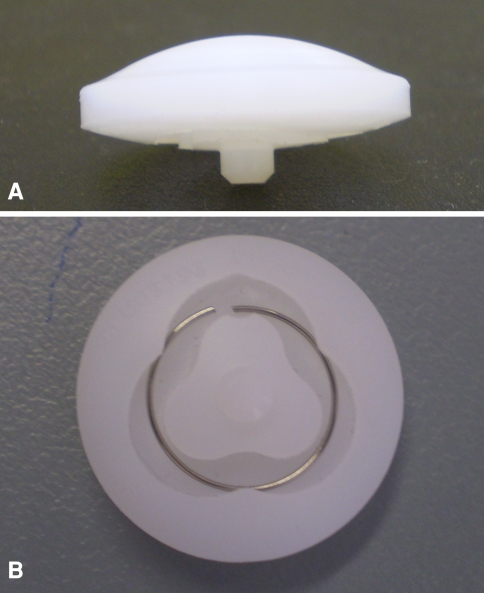
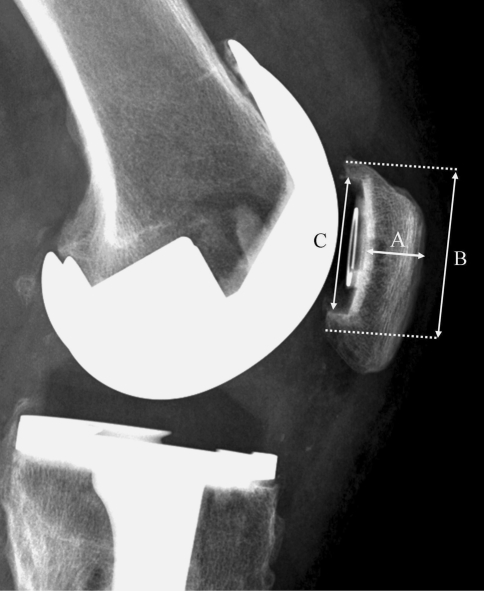
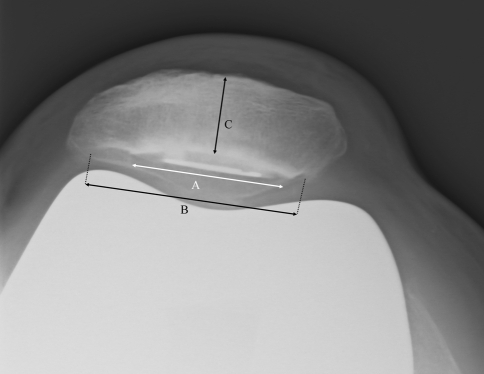
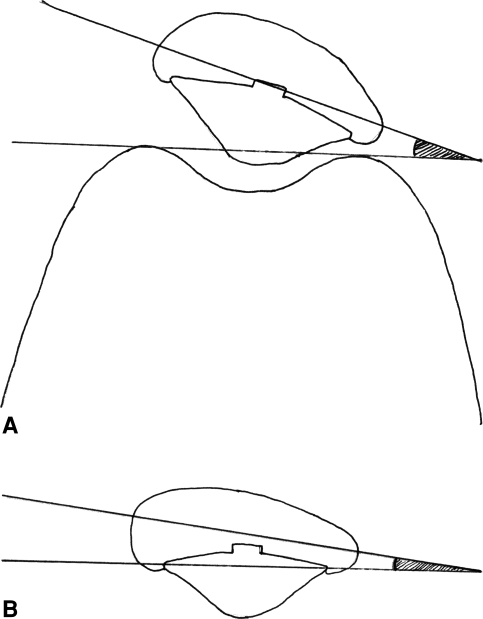
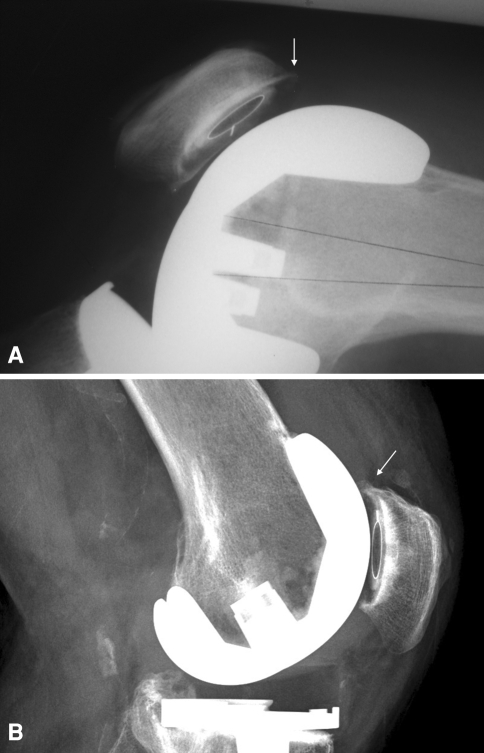
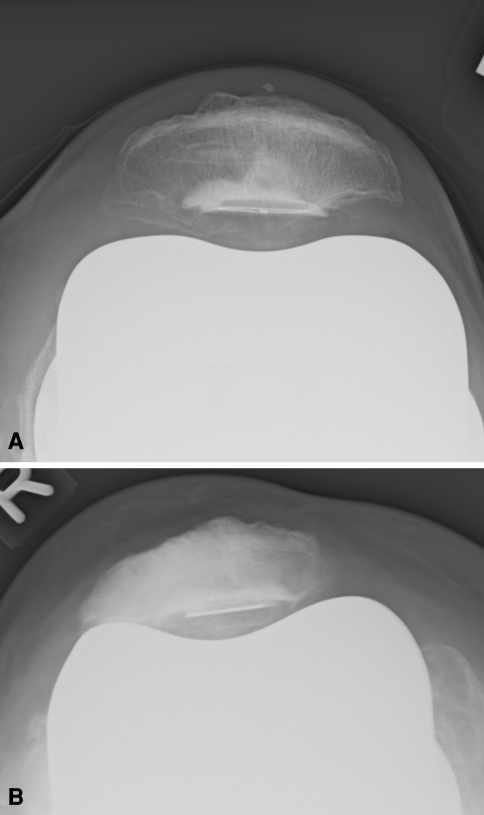
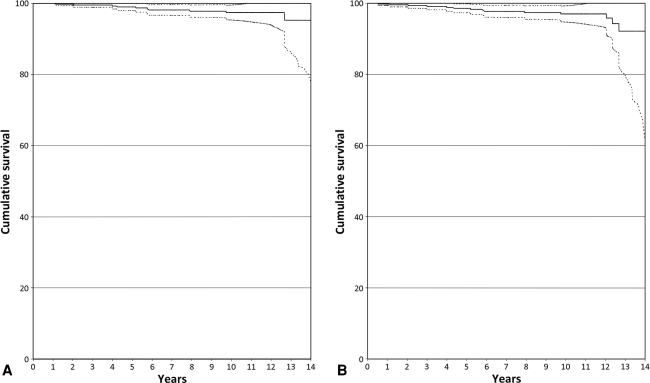
The inset biconvex patella component is an alternative form of patella resurfacing in knee arthroplasty. We retrospectively reviewed 433 patients in whom 521 patella prostheses were implanted before April 1997 to determine survivorship, factors associated with failure of the implant, incidence of anterior knee pain, and factors that may be associated with the latter. We had clinical results for 204 surviving patients (242 knees) without failure of their implants with a minimum 10-year followup (mean, 11.4 years; range, 10-17 years). For the remaining 229 patients we used chart or radiographic review to determine if failure of their implant or other complications had occurred. At latest followup, 14 patella components had been revised for aseptic reasons or were radiographically loose. The 10-year Kaplan-Meier survivorship for the entire cohort for aseptic failure was 97.0%. Aseptic failure of the patella component was associated with the presence of osteonecrosis and the absence of a superior rim of bone radiographically. The incidence of anterior knee pain in surviving patients without failure of their implants was 7.8%. No factor examined was associated with anterior knee pain. Survivorship and clinical and radiographic results are equivalent, but not clearly superior, to those reported for other forms of patella resurfacing.
Level of evidence: Level IV, therapeutic study.
Figures
References
-
- Barrack RL, Bertot AJ, Wolfe MW, Waldman DA, Milicic M, Myers L. Patellar resurfacing in total knee arthroplasty: a prospective, randomized, double-blind study with five to seven years of follow-up. J Bone Joint Surg Am. 2001;83:1376–1381. - PubMed
-
- Bindelglass DF, Cohen JL, Dorr LD. Patellar tilt and subluxation in total knee arthroplasty: relationship to pain, fixation, and design. Clin Orthop Relat Res. 1993;286:103–109. - PubMed
-
- Blackburne JS, Peel TE. A new method of measuring patellar height. J Bone Joint Surg Br. 1977;59:241–242. - PubMed
MeSH terms
LinkOut - more resources
Full Text Sources
Other Literature Sources
Medical
Miscellaneous
