


LH receptor gene expression is essentially absent in breast tumor tissue: implications for treatment
- PMID: 19356624
- PMCID: PMC2692988
- DOI: 10.1016/j.mce.2008.12.016
LH receptor gene expression is essentially absent in breast tumor tissue: implications for treatment
Abstract
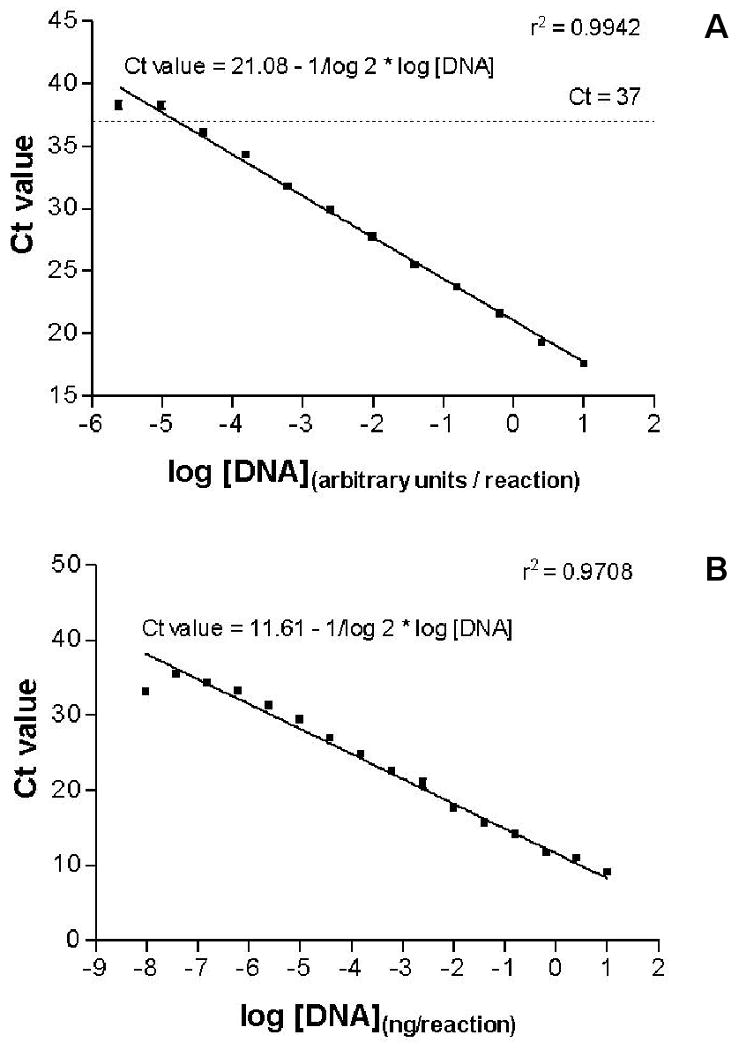
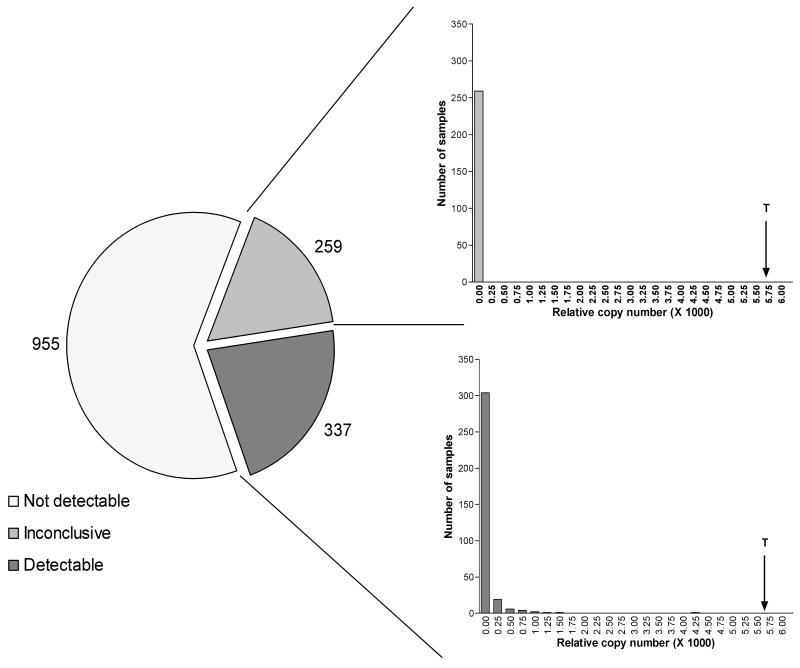
Worldwide, breast cancer is the most frequently occurring malignancy in women. Early age at full term pregnancy has a protective effect against breast cancer. Evidence coming from a rat breast cancer model suggests a possible role for the pregnancy hormone hCG, a ligand of the LH receptor, as a mediator for this effect. In a previous study, we found that a common polymorphism in the LH receptor associates with tumor progression in premenopausal breast cancer patients, as carriers of the variant receptor showed a shorter disease free survival compared to non-carriers. How hCG and its receptor exert their effects on breast cancer, however, is unclear. One possibility is that these effects take place through LH receptors present in the ovaries, thereby influencing steroid hormone production. Another possibility is that the effects take place through LH receptors present in breast tumor cells themselves, as some studies have detected the receptor in both normal and neoplastic breast tissues and in breast cancer cell lines. To investigate whether a direct effect of LH signaling in breast cancer is likely, we measured LH receptor mRNA expression levels in 1551 breast tumors and 42 different human breast cancer cell lines using a qRT-PCR with a wide dynamic range. In addition, associations between LH receptor expression and clinico-pathologic factors were investigated. Assay validation showed that as little as ?10 copies per reaction volume of LH receptor cDNA could still be detected by our assay. We show that LH receptors are undetectable in 62% of breast tumor samples and 41 of 42 breast cancer cell lines. For the remaining samples we found expression levels to be very low. Although low, expression of the LH receptor appears to be associated with normal breast cells, favorable tumor characteristics and low tumor percentage. Since expression of the LH receptor in breast cancer cells is very low, it almost excludes the possibility of direct signaling effects. We therefore conclude that signaling effects of the LH receptor on breast cancer most likely take place by an indirect pathway through the ovaries.
Figures
References
-
- Parkin DM, Bray F, Ferlay J, Pisani P. Global cancer statistics, 2002. CA Cancer J Clin. 2005;55:74–108. - PubMed
-
- Parkin DM, Fernandez LM. Use of statistics to assess the global burden of breast cancer. Breast J. 2006;12 1:S70–80. - PubMed
-
- Clemons M, Goss P. Estrogen and the risk of breast cancer. N Engl J Med. 2001;344:276–85. - PubMed
-
- Nelson HD, Huffman LH, Fu R, Harris EL. Genetic risk assessment and BRCA mutation testing for breast and ovarian cancer susceptibility: systematic evidence review for the U.S. Preventive Services Task Force. Ann Intern Med. 2005;143:362–79. - PubMed
-
- Yager JD, Davidson NE. Estrogen carcinogenesis in breast cancer. N Engl J Med. 2006;354:270–82. - PubMed
Publication types
MeSH terms
Substances
Grants and funding
LinkOut - more resources
Full Text Sources
Medical
