


The immunosuppressive effect of gossypol in mice is mediated by inhibition of lymphocyte proliferation and by induction of cell apoptosis
- PMID: 19363517
- PMCID: PMC4002822
- DOI: 10.1038/aps.2009.35
The immunosuppressive effect of gossypol in mice is mediated by inhibition of lymphocyte proliferation and by induction of cell apoptosis
Abstract
Aim: To investigate the immunosuppressive effect of gossypol in mice both in vitro and in vivo.
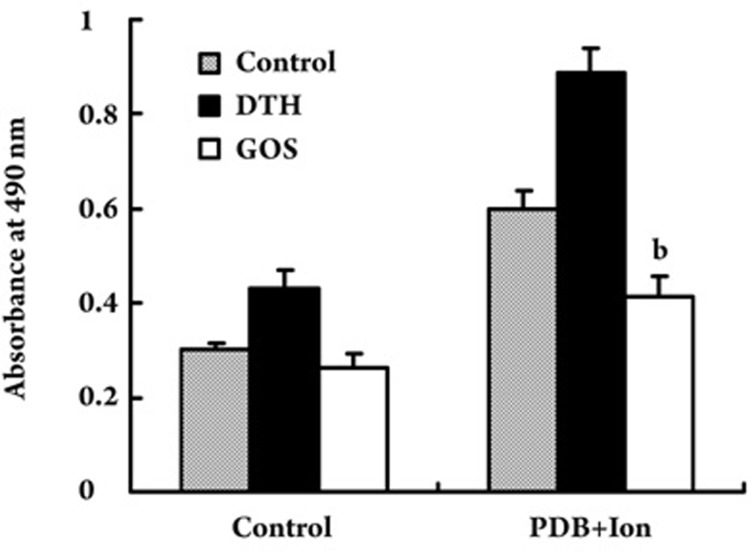
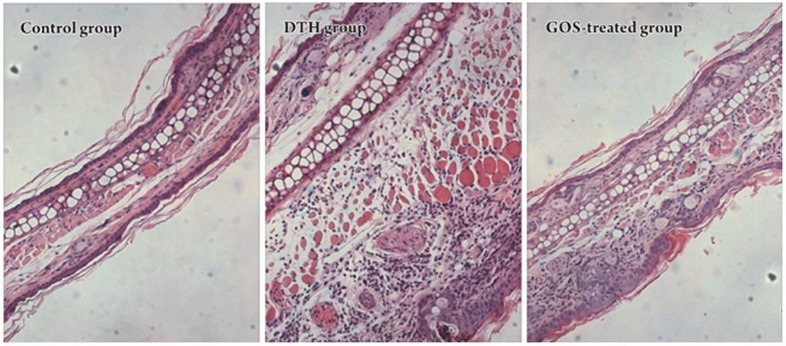
Methods: The in vitro effect of gossypol on the proliferation of lymphocytes isolated from lymph nodes of BALB/c mice was determined by CFSE staining and by an MTS assay. Lymphocyte activation and lymphoblastic transformation were evaluated with immunostaining. Cell apoptosis was detected by Annexin-V and Hoechst 33342 staining. The in vivo immunosuppressive effect of gossypol on the DTH reaction was evaluated using a mouse DTH model induced by 2,4-dinitro-1-fluorobenzene (DNFB). The thickness of the ears was measured, and the histological changes of the mouse auricles were observed after hematoxylin-eosin staining. The proliferation capacity of lymphocytes from DTH mice was also assayed.
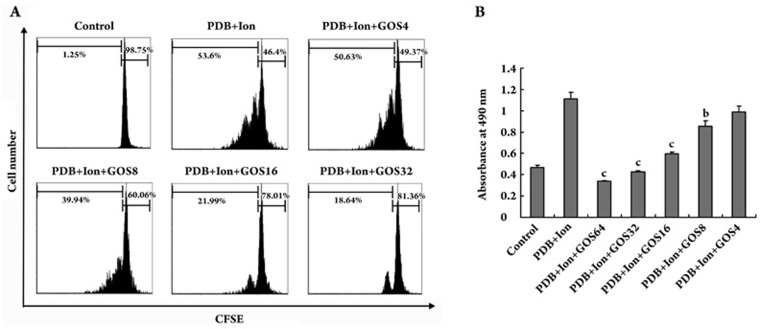
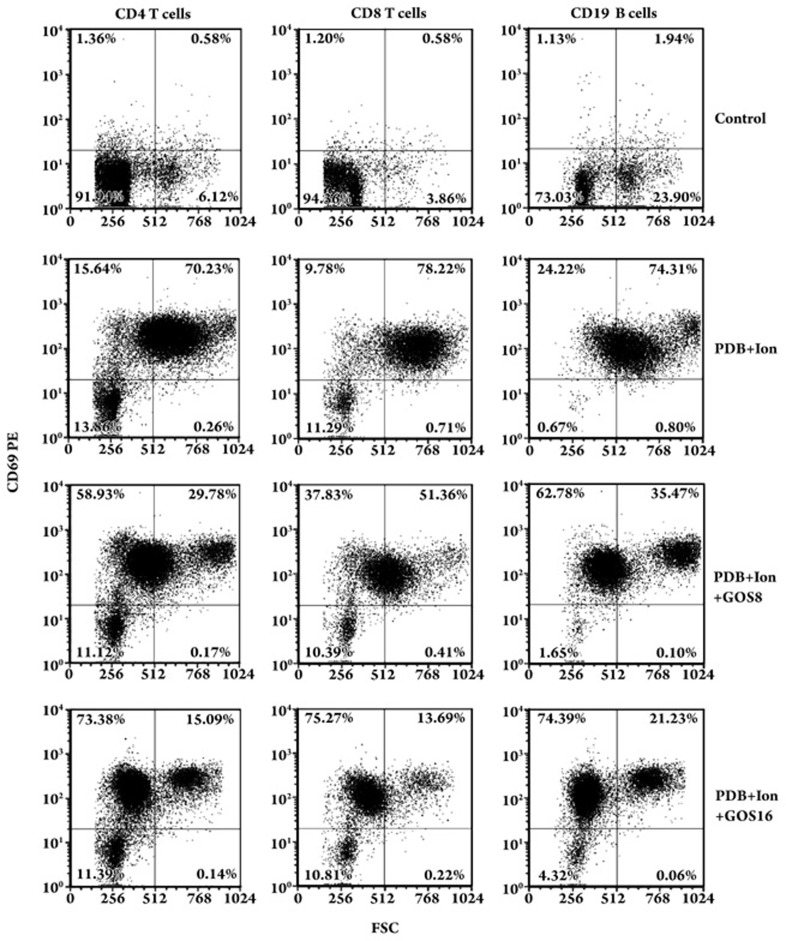
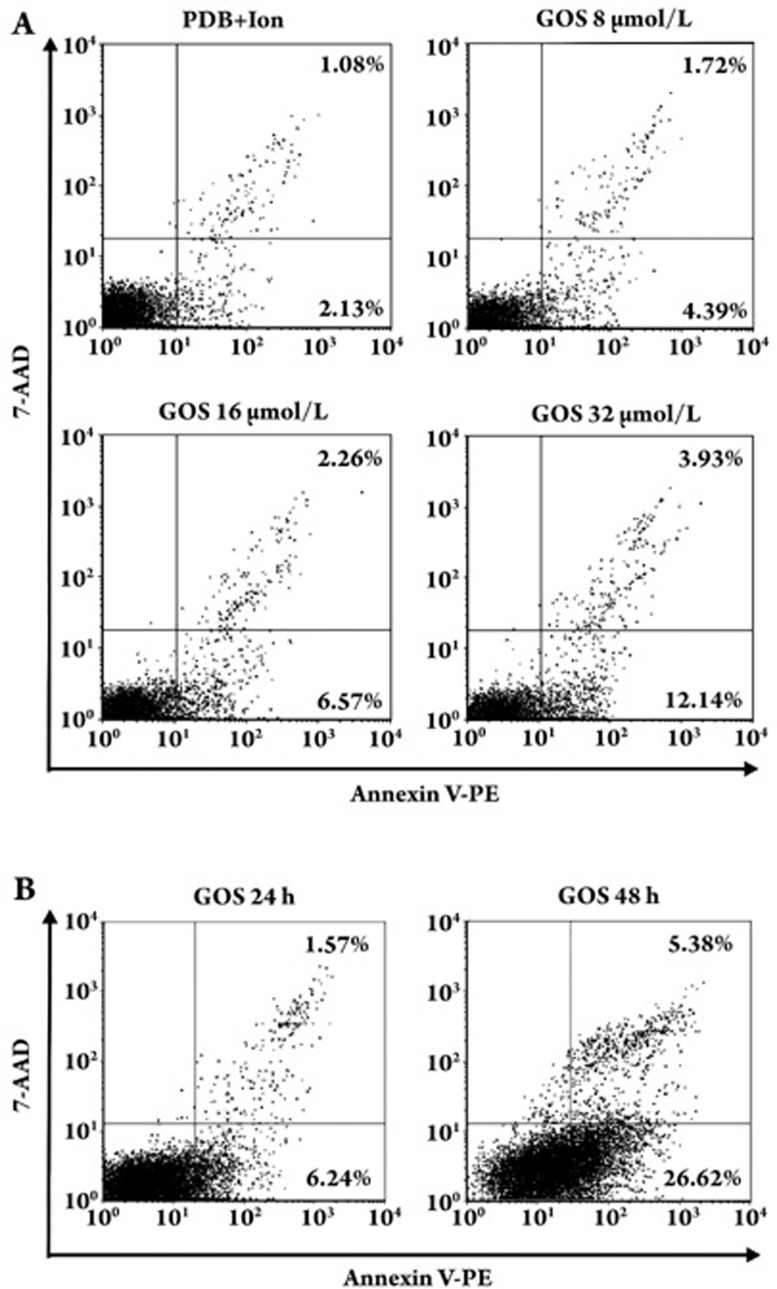
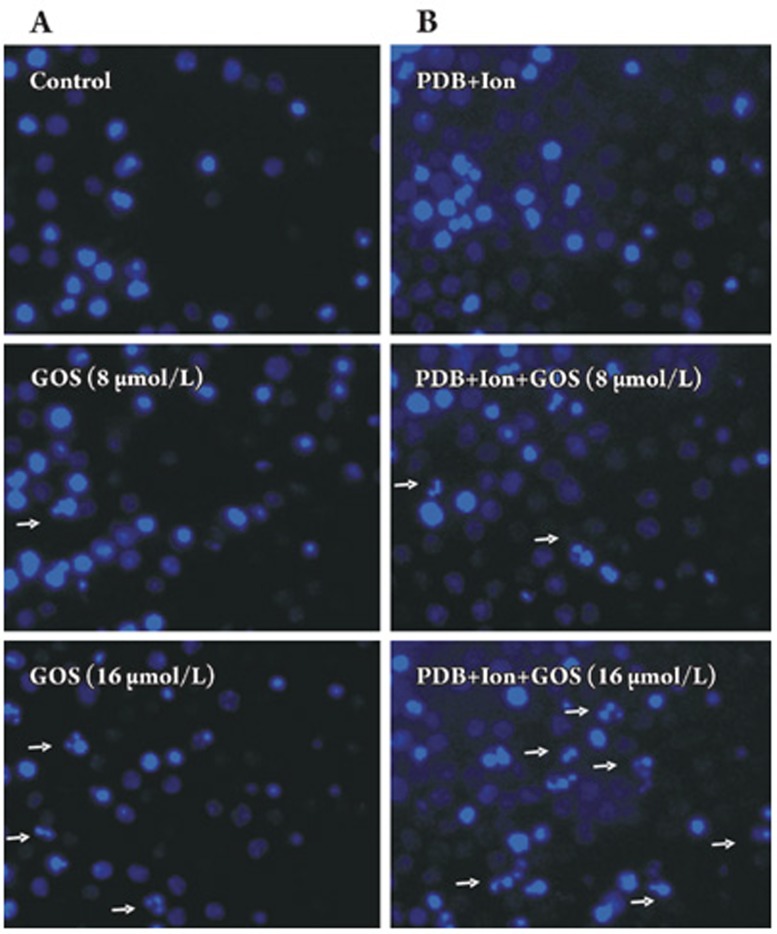
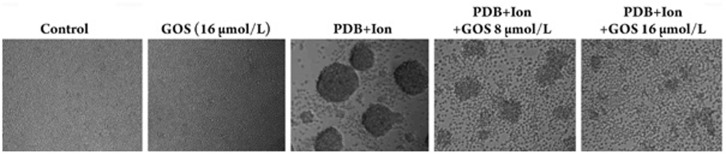
Results: In vitro, gossypol could significantly inhibit the proliferation of mouse lymphocytes stimulated with phorbol ester plus ionomycin in a dose-dependent manner. Although the expression of the early activation antigen CD69 was not affected, the lymphoblastic transformation of both T and B lymphocyte subsets was significantly suppressed by gossypol. Moreover, gossypol could induce apoptosis of lymphocytes, and the effect was time- and dose-dependent. In vivo, the DTH reaction in mice was markedly alleviated by gossypol injected intraperitoneally. Lymphocytes from drug-treated DTH mice had a reduced proliferation capacity as compared with lymphocytes from untreated DTH mice. Gossypol treatment also markedly reduced the number of infiltrated lymphocytes in the auricles of DTH mice.
Conclusion: Gossypol exhibited immunosuppressive effects in mice, probably by inhibition of lymphocyte proliferation and by induction of cell apoptosis.
Figures
References
-
- Wu D. An overview of the clinical pharmacology and therapeutic potential of gossypol as a male contraceptive agent and in gynaecological disease. Drugs. 1989;38:333–41. - PubMed
-
- Dodou K. Investigations on gossypol past and present developments. Expert Opin Investig Drugs. 2005;14:1419–34. - PubMed
-
- Dao VT, Gaspard C, Mayer M, Georges HW, Suong NN, Rogert JM. Synthesis and cytotoxicity of gossypol related compounds. Eur J Med Chem. 2000;35:805–13. - PubMed
-
- He XH, Zeng YZ, Li Z, Xu LH, Sun H, Zeng JM. Inhibitory effects of gossypol on the activation of human T-lymphocytes stimulated with polyclonal activators. Chin J Pathophysiol. 2001;17:510–4.
-
- Sharma HW, Narayanan R. The NF-κB transcription factor in oncogenesis. Anticancer Res. 1996;16:589–96. - PubMed
Publication types
MeSH terms
Substances
LinkOut - more resources
Full Text Sources
Other Literature Sources
