


Stimulation of the wrist acupuncture point P6 for preventing postoperative nausea and vomiting
- PMID: 19370583
- PMCID: PMC3113464
- DOI: 10.1002/14651858.CD003281.pub3
Stimulation of the wrist acupuncture point P6 for preventing postoperative nausea and vomiting
Update in
-
Stimulation of the wrist acupuncture point PC6 for preventing postoperative nausea and vomiting.Cochrane Database Syst Rev. 2015 Nov 2;2015(11):CD003281. doi: 10.1002/14651858.CD003281.pub4. Cochrane Database Syst Rev. 2015. Update in: Cochrane Database Syst Rev. 2025 Sep 12;9:CD003281. doi: 10.1002/14651858.CD003281.pub5. PMID: 26522652 Free PMC article. Updated.
Abstract
Background: Postoperative nausea and vomiting (PONV) are common complications following surgery and anaesthesia. Drugs to prevent PONV are only partially effective. An alternative approach is to stimulate the P6 acupoint on the wrist. This is an update of a Cochrane review first published in 2004.
Objectives: To determine the efficacy and safety of P6 acupoint stimulation in preventing PONV.
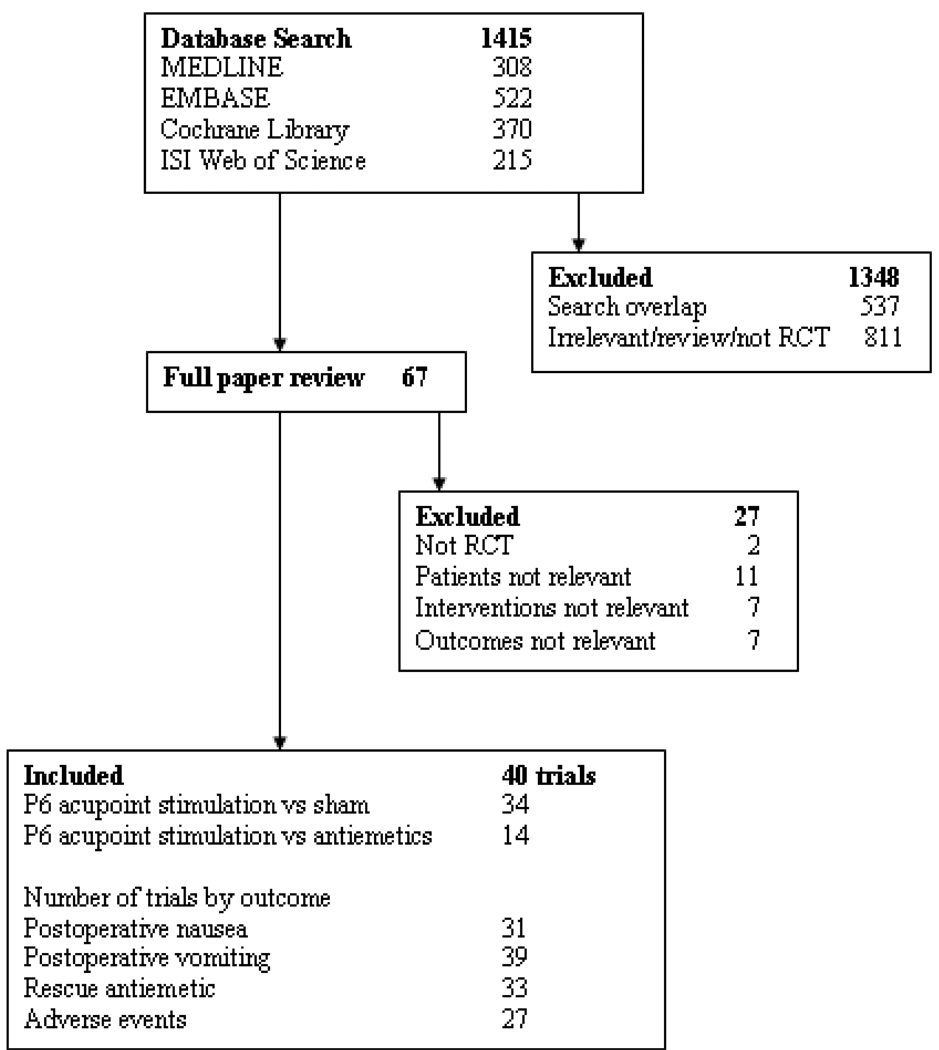
Search strategy: We searched CENTRAL (The Cochrane Library, Issue 3, 2008), MEDLINE (January 1966 to September 2008), EMBASE (January 1988 to September 2008), ISI Web of Science (January 1965 to September 2008), the National Library of Medicine publication list of acupuncture studies, and reference lists of articles.
Selection criteria: All randomized trials of techniques that stimulated the P6 acupoint compared with sham treatment or drug therapy for the prevention of PONV. Interventions used in these trials included acupuncture, electro-acupuncture, transcutaneous nerve stimulation, laser stimulation, capsicum plaster, an acu-stimulation device, and acupressure in patients undergoing surgery. Primary outcomes were the risks of nausea and vomiting. Secondary outcomes were the need for rescue antiemetic therapy and adverse effects.
Data collection and analysis: Two review authors independently assessed trial quality and extracted the data. We collected adverse effect information from the trials. We used a random-effects model and reported relative risk (RR) with associated 95% confidence intervals (95% CI).
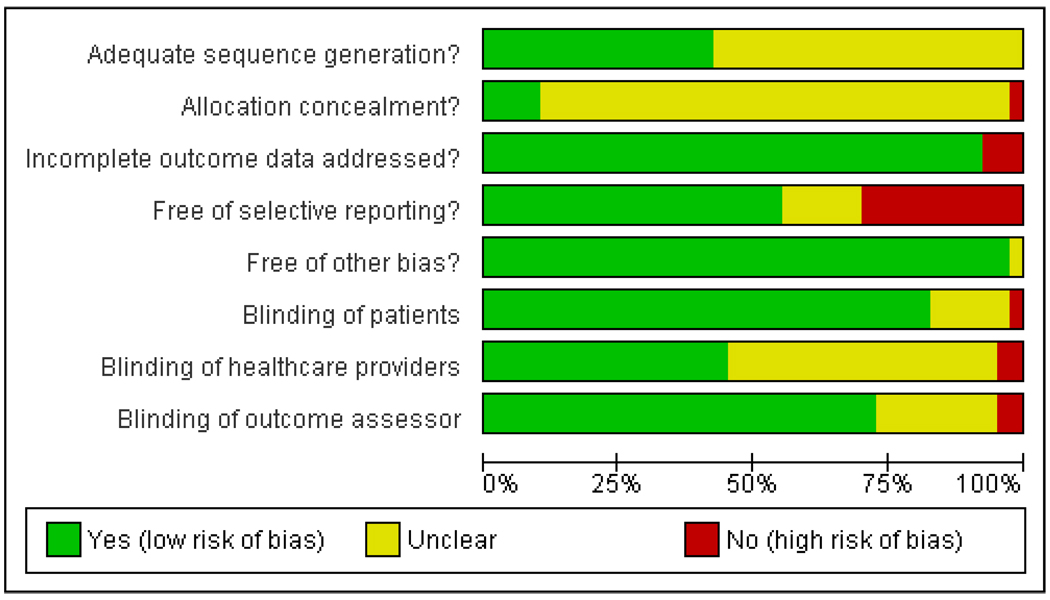
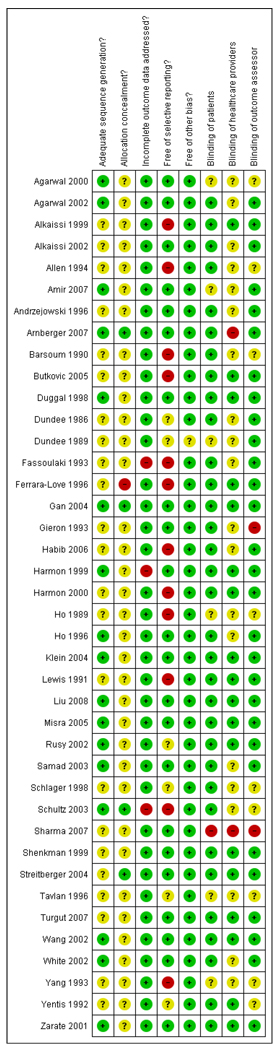
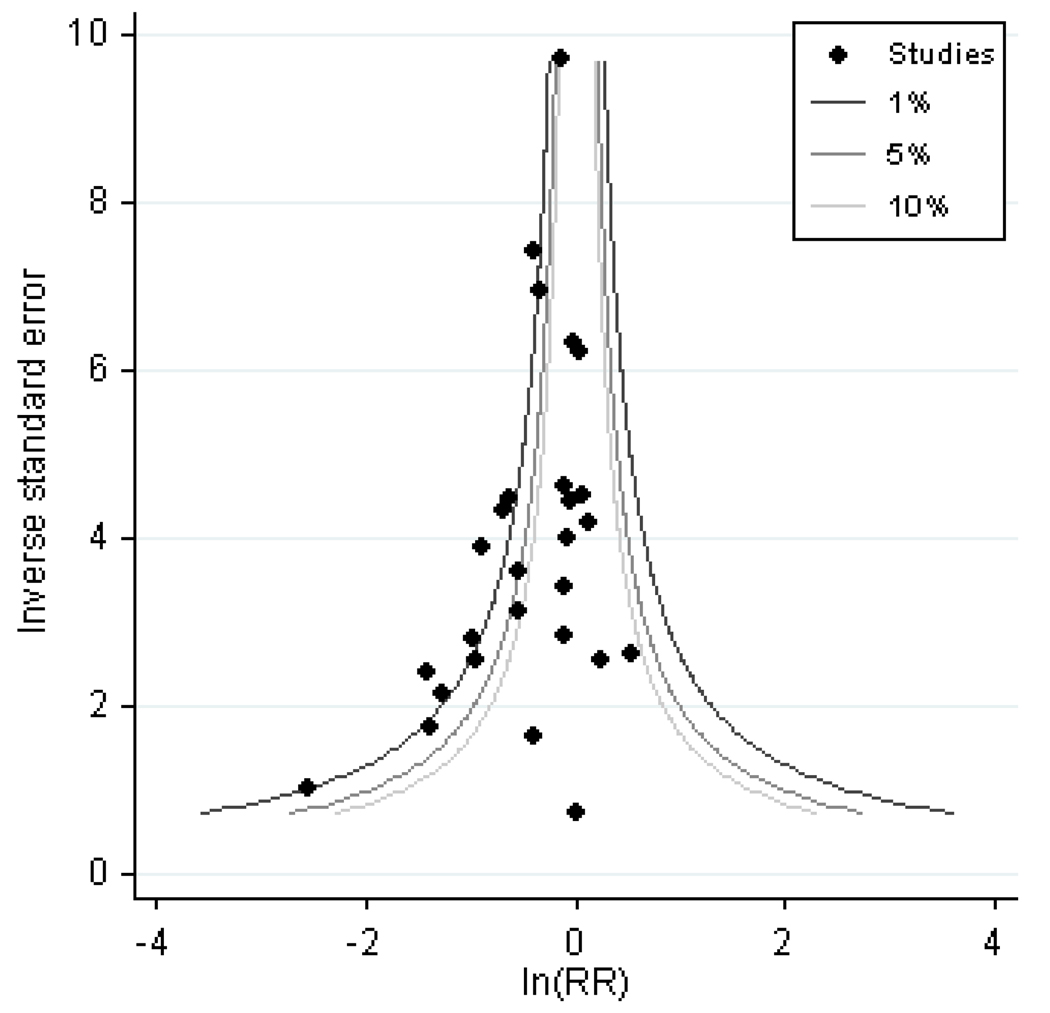
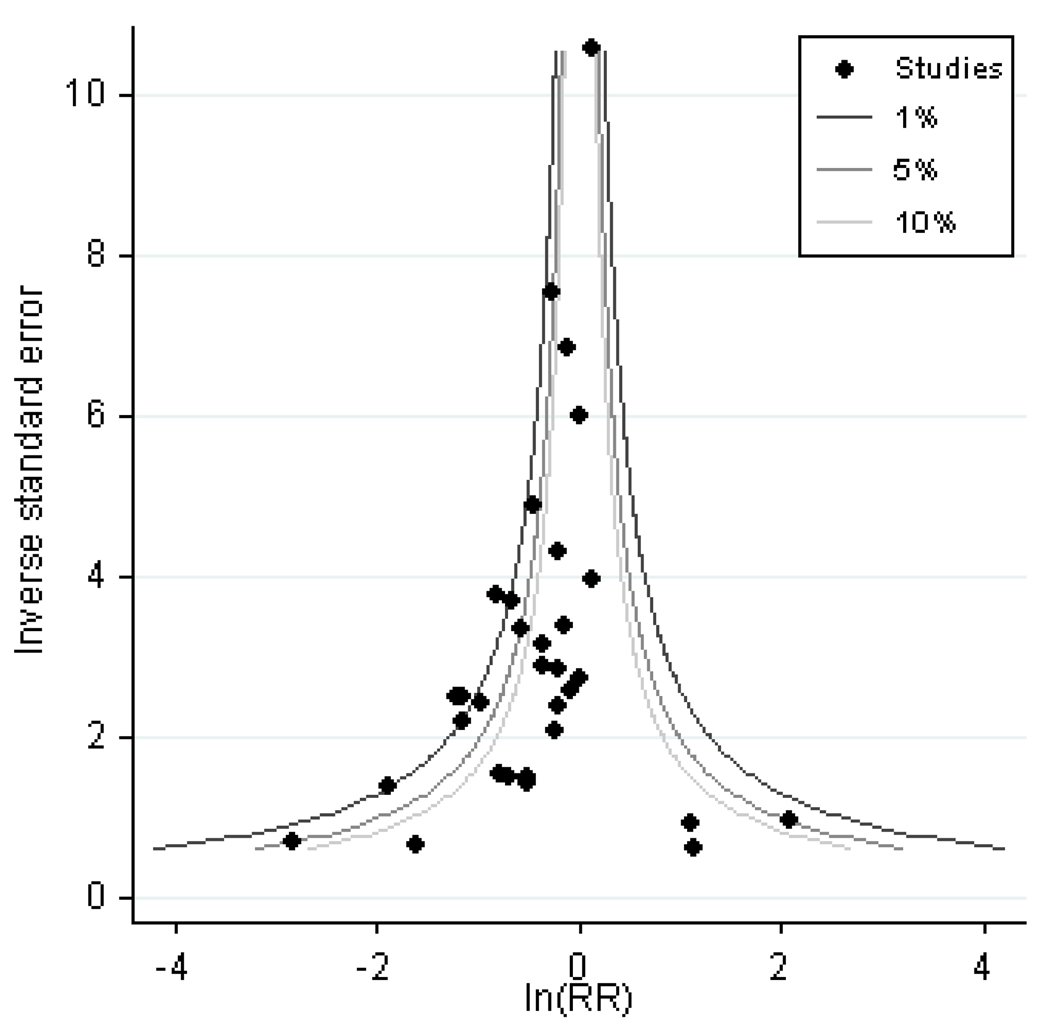
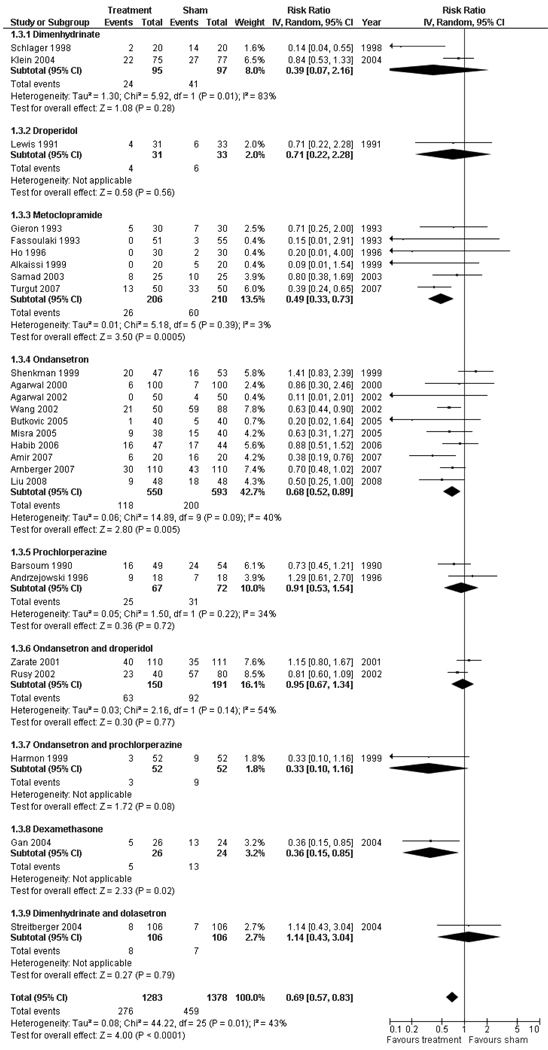
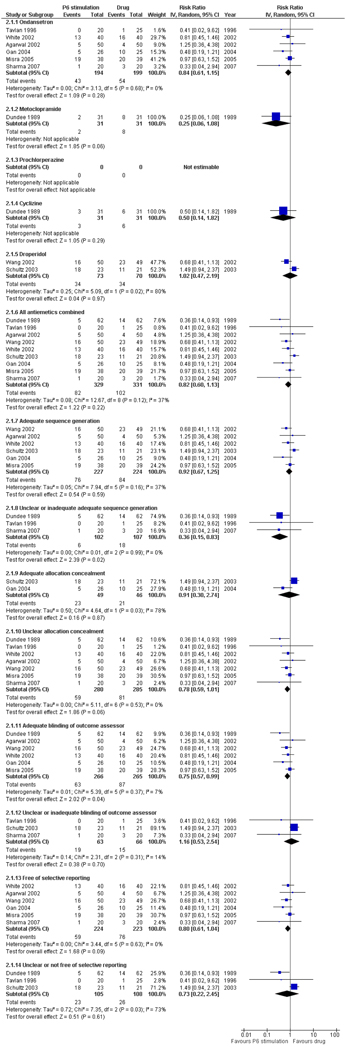
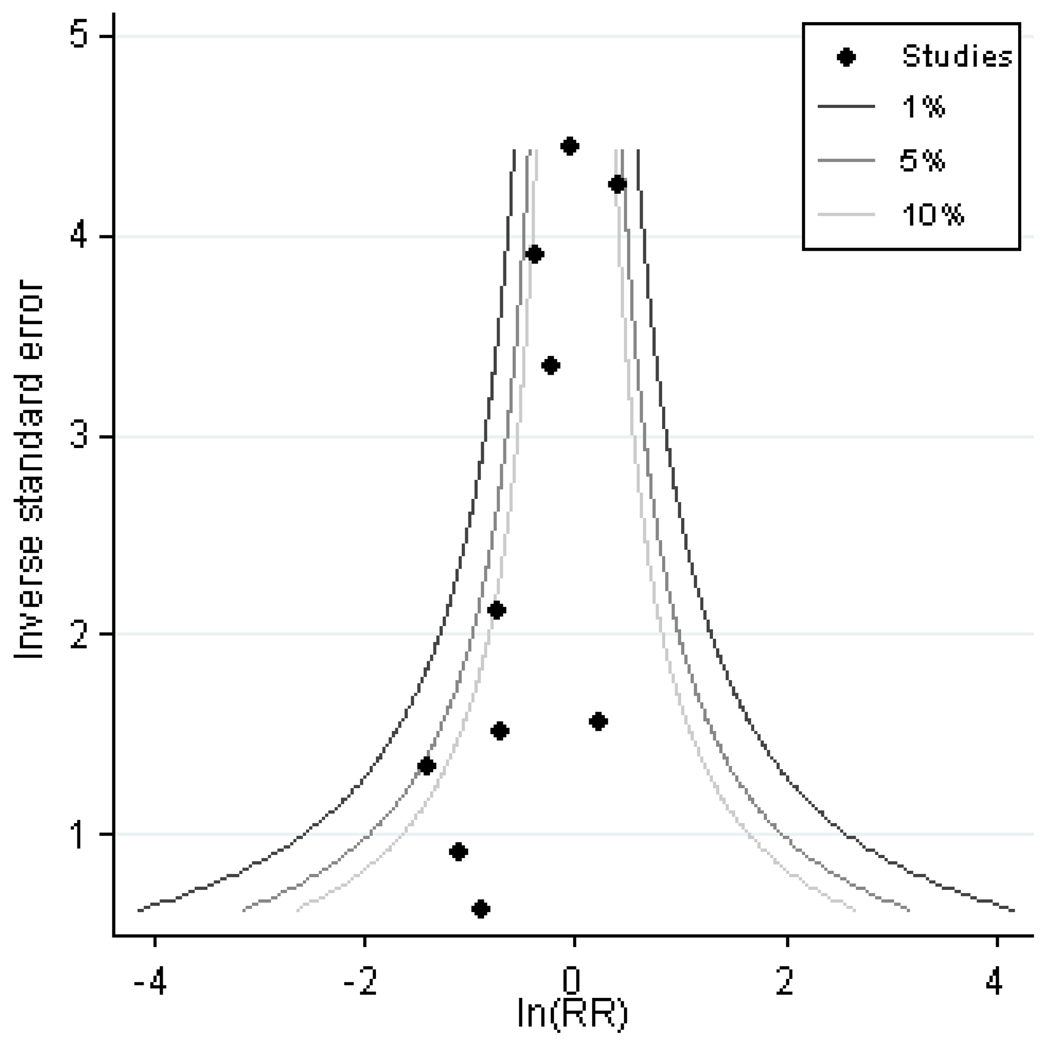
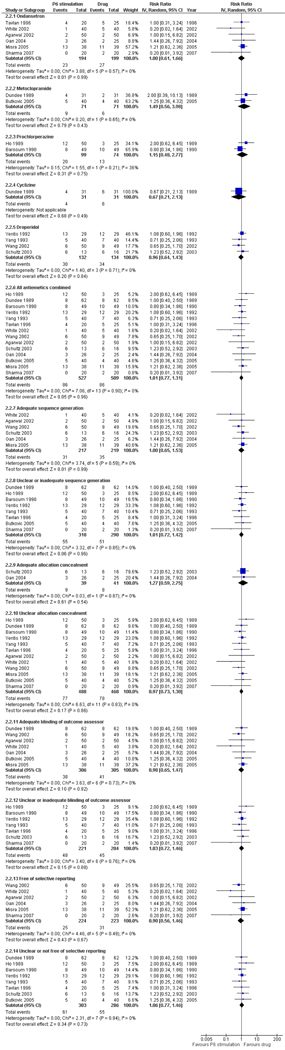
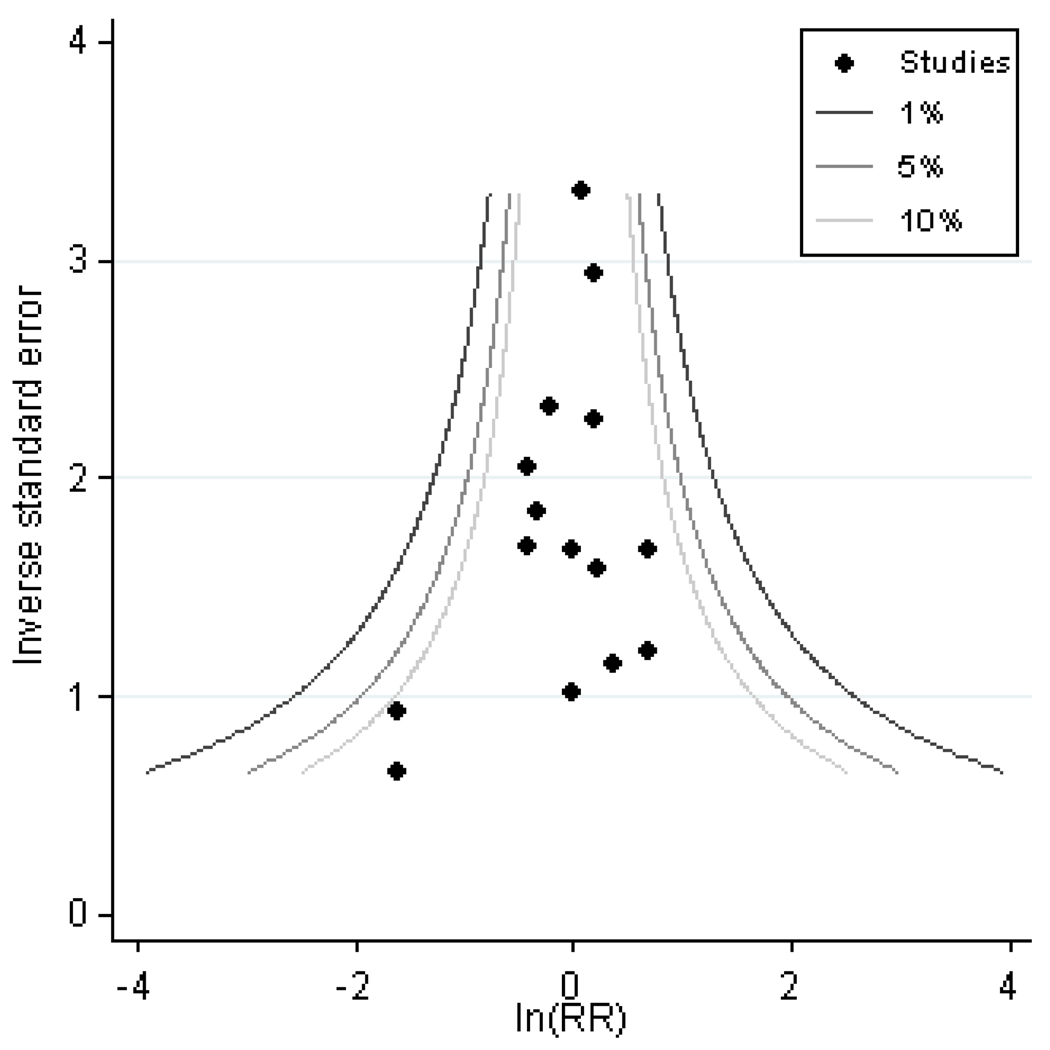
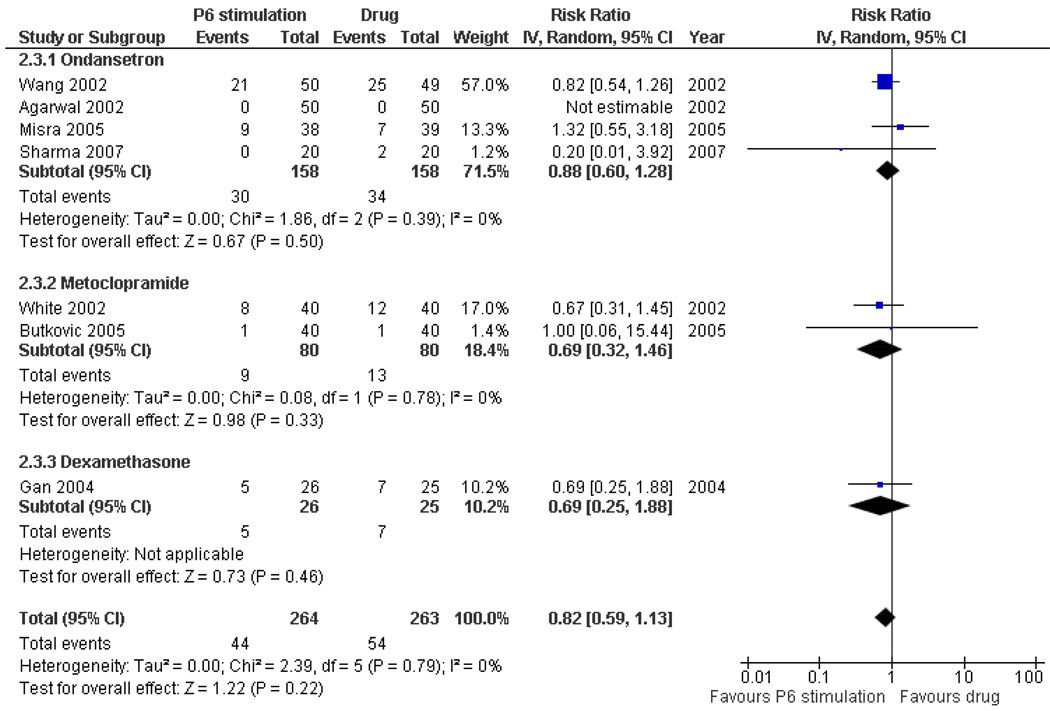
Main results: We included 40 trials involving 4858 participants; four trials reported adequate allocation concealment. Twelve trials did not report all outcomes. Compared with sham treatment P6 acupoint stimulation significantly reduced: nausea (RR 0.71, 95% CI 0.61 to 0.83); vomiting (RR 0.70, 95% CI 0.59 to 0.83), and the need for rescue antiemetics (RR 0.69, 95% CI 0.57 to 0.83). Heterogeneity among trials was moderate. There was no clear difference in the effectiveness of P6 acupoint stimulation for adults and children; or for invasive and noninvasive acupoint stimulation. There was no evidence of difference between P6 acupoint stimulation and antiemetic drugs in the risk of nausea (RR 0.82, 95% CI 0.60 to 1.13), vomiting (RR 1.01, 95% CI 0.77 to 1.31), or the need for rescue antiemetics (RR 0.82, 95% CI 0.59 to 1.13). The side effects associated with P6 acupoint stimulation were minor. There was no evidence of publication bias from contour-enhanced funnel plots.
Authors' conclusions: P6 acupoint stimulation prevented PONV. There was no reliable evidence for differences in risks of postoperative nausea or vomiting after P6 acupoint stimulation compared to antiemetic drugs.
Figures


Update of
-
Stimulation of the wrist acupuncture point P6 for preventing postoperative nausea and vomiting.Cochrane Database Syst Rev. 2004;(3):CD003281. doi: 10.1002/14651858.CD003281.pub2. Cochrane Database Syst Rev. 2004. Update in: Cochrane Database Syst Rev. 2009 Apr 15;(2):CD003281. doi: 10.1002/14651858.CD003281.pub3. PMID: 15266478 Updated.
Comment in
-
Commentary on the Cochrane review of stimulation of the wrist acupuncture point p6 for preventing postoperative nausea and vomiting.Explore (NY). 2011 Jul-Aug;7(4):263-4. doi: 10.1016/j.explore.2011.04.013. Explore (NY). 2011. PMID: 21724162 No abstract available.
References
References to studies included in this review
-
- Agarwal A, Pathak A, Gaur A. Acupressure wristbands do not prevent postoperative nausea and vomiting after urological endoscopic surgery. Canadian Journal of Anaesthesia. 2000;47:319–324. [PUBMED: 10764175] - PubMed
-
- Agarwal A, Bose N, Gaur A, Singh U, Gupta MK, Singh D. Acupressure and ondansetron for postoperative nausea and vomiting after laparoscopic cholecystectomy. Canadian Journal of Anesthesia. 2002;49:554–560. [PUBMED: 12067865] - PubMed
-
- Alkaissi A, Stalnert M, Kalman S. Effect and placebo effect of acupressure (P6) on nausea and vomiting after outpatient gynaecological surgery. Acta Anaesthesiologica Scandinavica. 1999;43:270–274. [PUBMED: 10081532] - PubMed
-
- Alkaissi A, Evertsson K, Johnsson V, Ofenbartl L, Kalman S. P6 acupressure may relieve nausea and vomiting after gynecological surgery: an effectiveness study in 410 women. Canadian Journal of Anesthesia. 2002;49:1034–1039. [PUBMED: 12477673] - PubMed
-
- Allen DL, Kitching AJ, Nagle C. P6 acupressure and nausea and vomiting after gynaecological surgery. Anaesthesia and Intensive Care. 1994;22:691–693. [PUBMED: 7892973] - PubMed
References to studies excluded from this review
-
- Agarwal A, Dhiraaj S, Tandon M, Singh PK, Singh U, Pawar S. Evaluation of capsaicin ointment at the Korean hand acupressure point K-D2 for prevention of postoperative nausea and vomiting. Anaesthesia. 2005;60:1185–1188. [PUBMED: 16288616] - PubMed
-
- Al-Sadi M, Newman B, Julious SA. Acupuncture in the prevention of postoperative nausea and vomiting. Anaesthesia. 1997;52:658–661. [PUBMED: 9244025] - PubMed
-
- Alkaissi A, Ledin T, Odkvist LM, Kalman S. P6 acupressure increases tolerance to nauseogenic motion stimulation in women at high risk for PONV. Canadian Journal of Anesthesia. 2005;52:703–709. [PUBMED: 16103382] - PubMed
-
- Cekmen N, Salman B, Keles Z, Aslan M, Akcabay M. Transcutaneous electrical nerve stimulation in the prevention of postoperative nausea and vomiting after elective laparoscopic cholecystectomy. Journal of Clinical Anesthesia. 2007;19:49–52. [PUBMED: 17321927] - PubMed
Additional references
-
- Duval S, Tweedie R. Trim and fill: a simple funnel-plot-based method of testing and adjusting for publication bias in meta-analysis. Biometrics. 2000;56:455–463. [PUBMED: 10877304] - PubMed
References to other published versions of this review
-
- Lee A, Done ML. The use of nonpharmacologic techniques to prevent postoperative nausea and vomiting: a meta-analysis. Anesthesia and Analgesia. 1999;88:1362–1369. [PUBMED: 10357346] - PubMed
-
-
Lee A, Done ML. Stimulation of the wrist acupuncture point P6 for preventing postoperative nausea and vomiting. Cochrane Database of Systematic Reviews. 2004;(Issue 3) CD 003281. [DOI: 10.1002/14651858.CD003281.pub2; PUBMED: 15266478] * Indicates the major publication for the study
-
Publication types
MeSH terms
Substances
Grants and funding
LinkOut - more resources
Full Text Sources
Other Literature Sources
Medical
Research Materials
