. 2009 May;9(5):1017-26.
doi: 10.1111/j.1600-6143.2009.02603.x.

Allergic airway hyperreactivity increases the risk for corneal allograft rejection

Affiliations

Allergic airway hyperreactivity increases the risk for corneal allograft rejection

J Y Niederkorn et al. Am J Transplant. 2009 May.

Abstract

Corneal allografts transplanted into hosts with allergic conjunctivitis experience an increased incidence and swifter tempo of immune rejection compared to corneal allografts transplanted to nonallergic hosts. Previous findings suggested that increased risk for rejection was not a local effect produced by an inflamed eye, but was due to perturbation of the systemic immune responses to alloantigens on the corneal allograft. We tested the hypothesis that another allergic disease, airway hyperreactivity (AHR), would also increase the risk for corneal allograft rejection. Induction of AHR with either ovalbumin (OVA) or short ragweed (SRW) extract prior to keratoplasty resulted in a steep increase in the speed and incidence of corneal allograft rejection. Delayed-type hypersensitivity (DTH) responses to corneal alloantigens were closely associated with corneal allograft rejection. However, the deleterious effect of AHR on corneal allograft survival was not reflected in a heightened magnitude of allospecific DTH, cytotoxic T lymphocyte and lymphoproliferative responses to the alloantigens on the corneal allograft. Unlike Th2-based immediate hypersensitivity, CD8+ T-cell-based contact hypersensitivity to oxazolone did not increase the risk for corneal allograft rejection. Thus, Th2-based allergic diseases significantly reduce the immune privilege of the corneal allograft and represent important risk factors for consideration in the atopic patient.


Figures
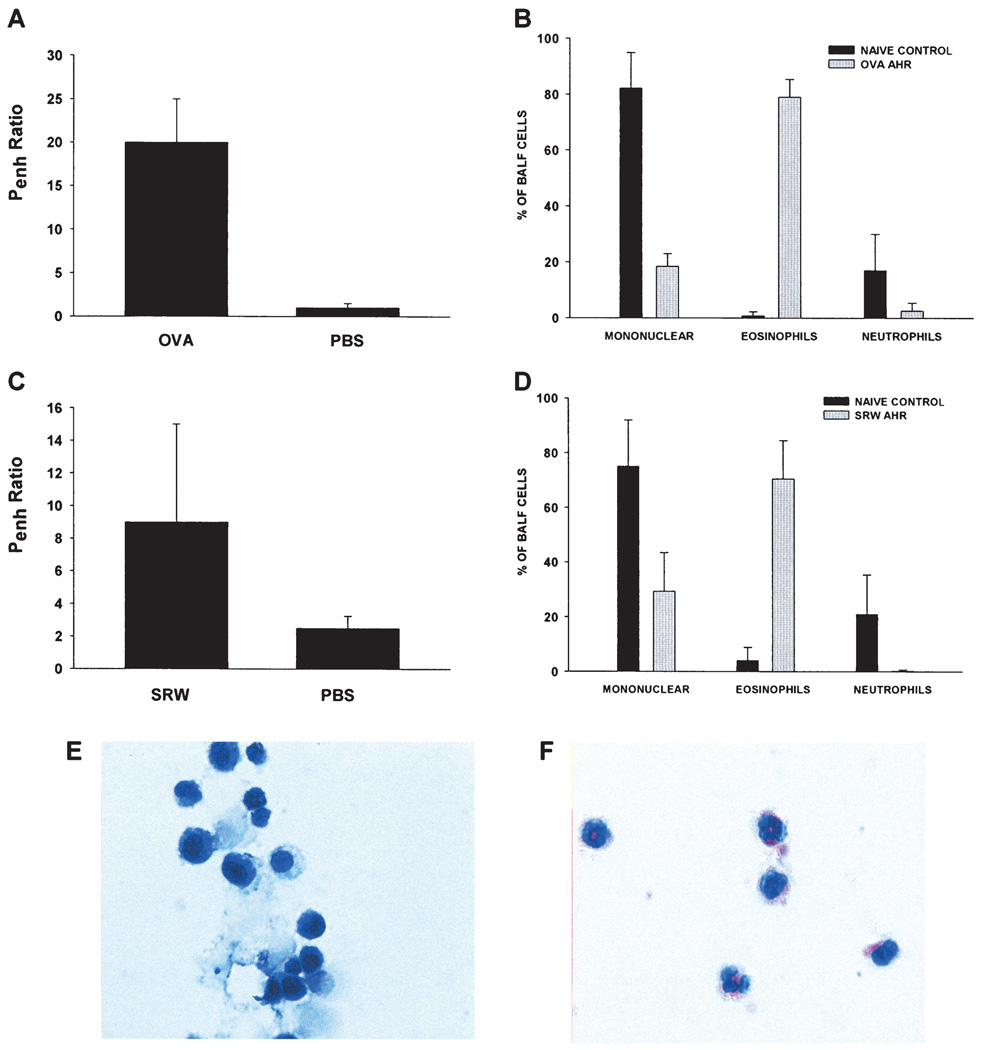
Figure 1
Figure 1. Airway hyperreactivity (AHR) in BALB/c mice using either OVA or SRW extract
Airflow obstruction was assessed by whole-body plethysmography and recorded as enhanced pause (Penh)(A, C). Bronchoalveolar lavage fluid (BALF) was collected on day 28 (OVA) and day 23 (SRW) and inflammatory cell counts of cytospins were analyzed by compound microscopy (B, D) and stained with Geimsa to distinguish mononuclear cells (E) from eosinophils (F). Results in A–D represent means ± standard deviations. There were at least five mice in each of the BALF groups.
Figure 2
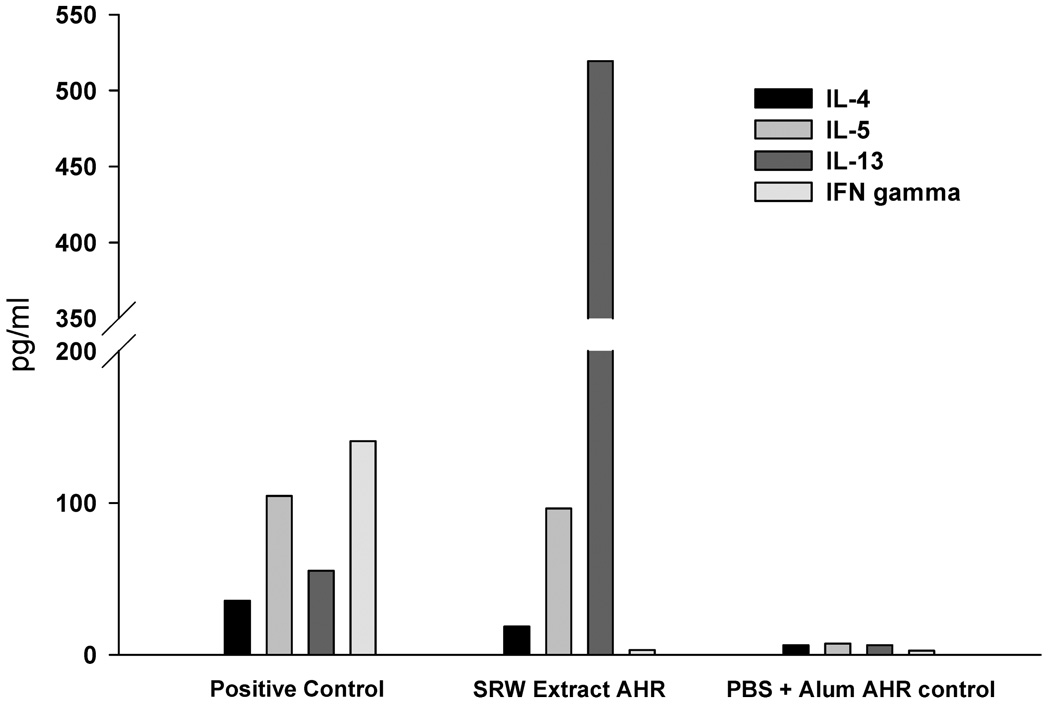
Figure 2. Th2 cytokine expression in bronchoalveolar lavage fluid (BALF) in mice with AHR in BALB/c mice using SRW extract
BALF was collected on day 23 and was examined for expression of IL-4, IL-5, IL-13 and IFN-γ by ELISA. There were five mice in each group.
Figure 3
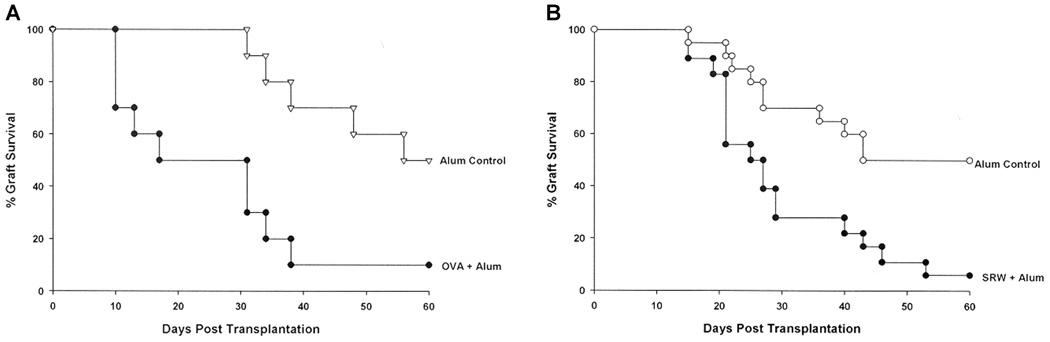
Figure 3. Allograft rejection in mice with AHR. BALB/c mice were immunized with either OVA + alum or alum alone (A) or SRW extract + alum or alum alone (B)
AHR was confirmed by plethysmography 28 days later. Animals were challenged 3 days later with a C57BL/6 corneal allograft. Alum control mice did not demonstrate altered Penh and were challenged with C57BL/6 corneal allografts at the same time as the OVA + alum group. There were 10 mice in each group. p = 0.0046 (A) and p = 0.007 (B).
Figure 4
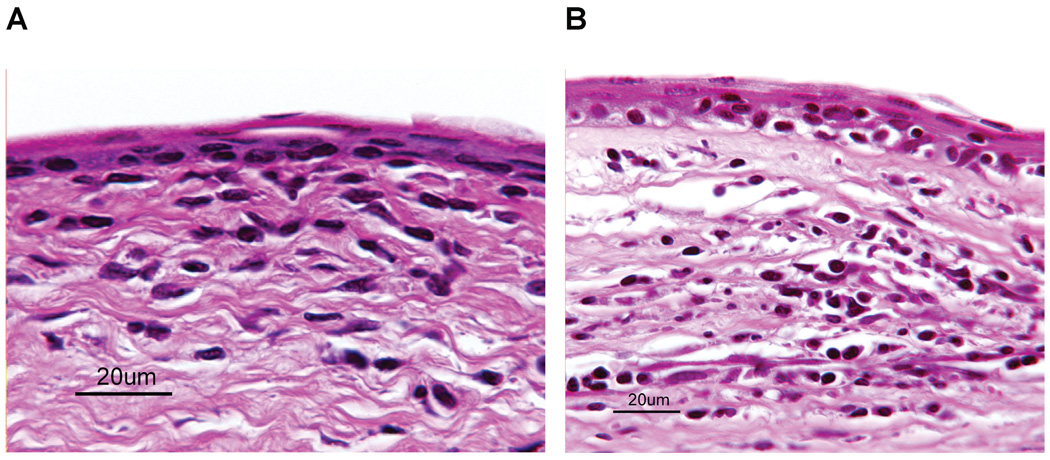
Figure 4. Histopathological features of rejected corneal allografts in mice with SRW extract-induced AHR
Mice were sensitized with SRW extract + alum(A) or alum alone (B). C57BL/6 corneal allograftswere transplanted 6 h after AHR was confirmed by whole-body plethysmography. Eyes were enucleated 24 h after corneal allografts were deemed rejected (two consecutive clinical scores of 3+). Inflammatory cell infiltrates were predominantly mononuclear cells. Inflammation in the anterior chamber was comprised predominantly of neutrophils (not shown).
Figure 5
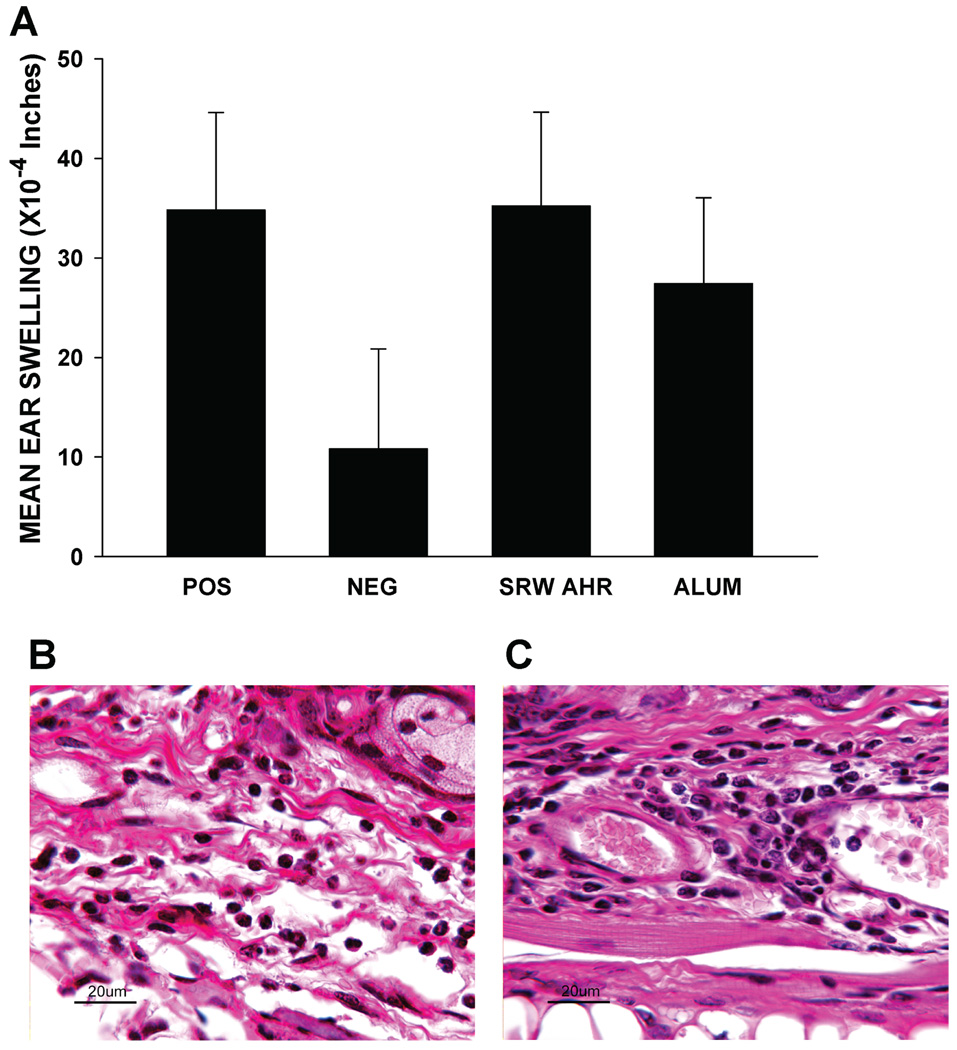
Figure 5. DTH responses to C57BL/6 alloantigens in mice with SRW-induced AHR following corneal allograft rejection
BALB/c mice were sensitized with either SRW extract + alum or alum alone. C57BL/6 corneal allografts were grafted 6 days after AHR was confirmed by plethysmography in the SRW + alum group. AHR was absent in the alum-treated group. Results in ‘A’ represent mean ear swelling ± standard deviation. There were at least five mice in each group. DTH responses in the positive control, SRW AHR, and alum groups were all significantly different from the negative control (p < 0.05), but not different from each other (p > 0.05)(A). Inflammatory infiltrates in the ears of SRW-sensitized mice following measurement of DTH (B) and ears of mice injected with alum only (C). In both groups the inflammatory infiltrates were predominantly mononuclear, with occasional neutrophils and rare eosinophils. There were five mice in each group.
Figure 6
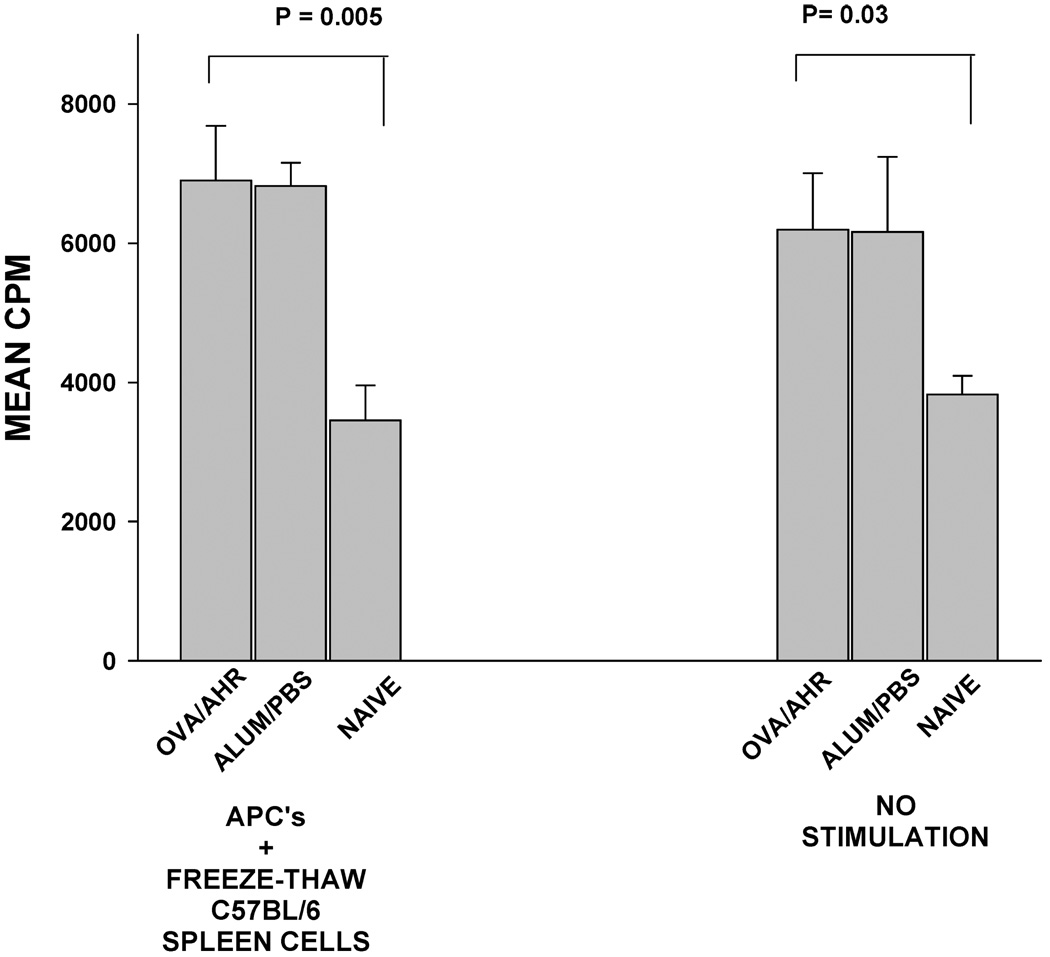
Figure 6. Lymphoproliferative responses to C57BL/6 alloantigens in BALB/c mice with OVA-induced AHR
Indirect MLR cultures were prepared in which BALB/c responder lymphocytes were cocultured with BALB/c APC that had been pulsed with freeze/thaw lysates of C57BL/6 spleen cells. Lymphocyte proliferation was determined by 3H-thymidine incorporation 72 h later. CPM = counts per minute. This experiment was performed twice with similar results.
Figure 7
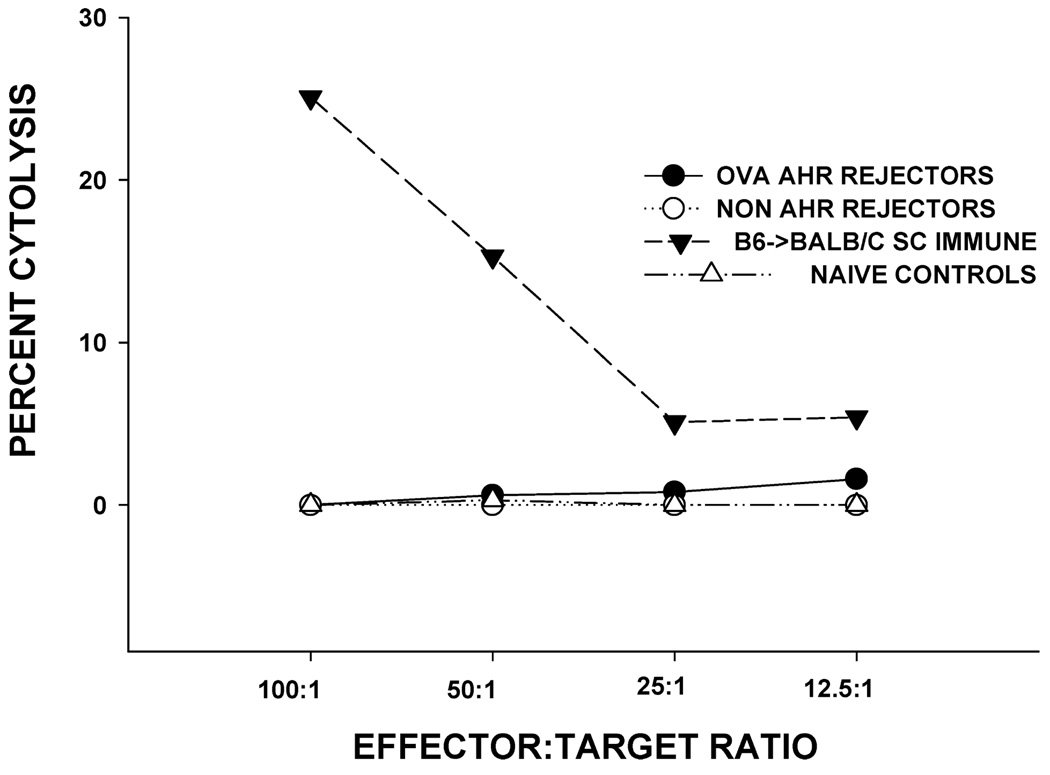
Figure 7. CTL responses to C57BL/6 alloantigens in BALB/c mice with OVA-induced AHR and challenged with C57BL/6 corneal allografts
BALB/c mice were sensitized with OVA + alum and C57BL/6 corneal allografts were transplanted orthotopically 6 days after AHR was confirmed by plethysmography. For comparison, BALB/c mice were not sensitized with OVA, but received C57BL/6 corneal allografts. CTL responses were assessed after corneal graft rejection was complete. Controls consisted of naϊve mice (negative control) and BALB/c mice immunized subcutaneously (SC) with C57BL/6 spleen cells.
Figure 8
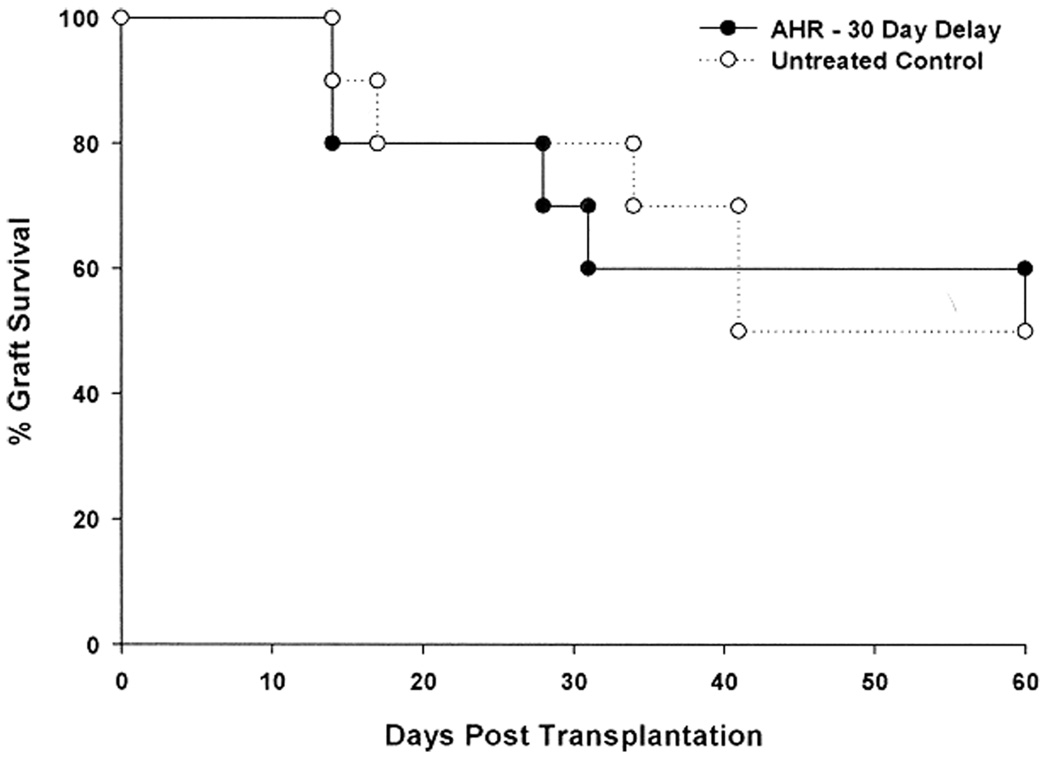
Figure 8. Exacerbation of corneal allograft rejection dissipates if allergen challenge is terminated
AHR was induced with SRW extract + alum. BALB/c mice were challenged intranasally with SRW extract on days 14, 15, 21 and 22. On day 23 AHR was confirmed by whole-body plethysmography. Mice were returned to the vivarium on day 23 and no additional intranasal challenges were performed. Thirty days later, the SRW-sensitized mice and untreated control mice were challenged with C57BL/6 corneal allografts. There were 10 mice in each group. p > 0.05.
Figure 9
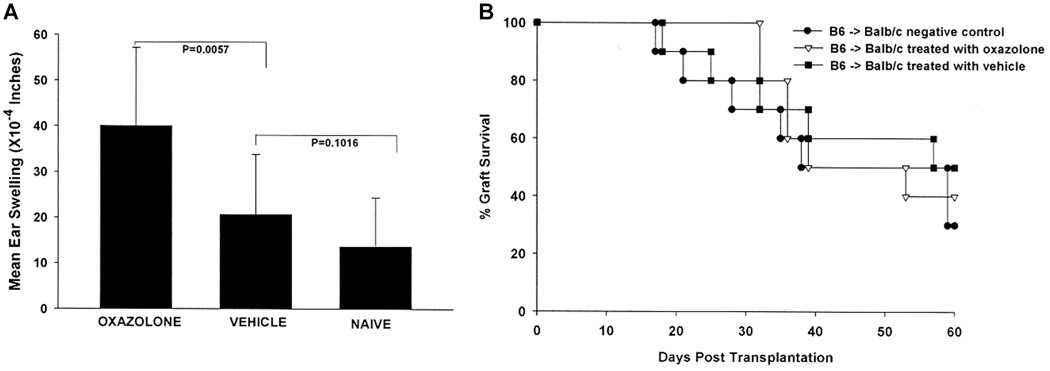
Figure 9. Effect of contact hypersensitivity on corneal allograft survival
Contact hypersensitivity (CHS) was induced in BALB/c mice by abdominal skin painting with oxazolone (OX). DTH responses to OX were determined by skin painting ears with OX 7 days after initial sensitization with OX and measuring specific ear swelling 24 h later (A). C57BL/6 corneal allografts were applied to OX-sensitized BALB/c mice and control mice 24 h after ear swelling was measured. There were 10 mice in each group. p > 0.05 for all groups.
Figure 10
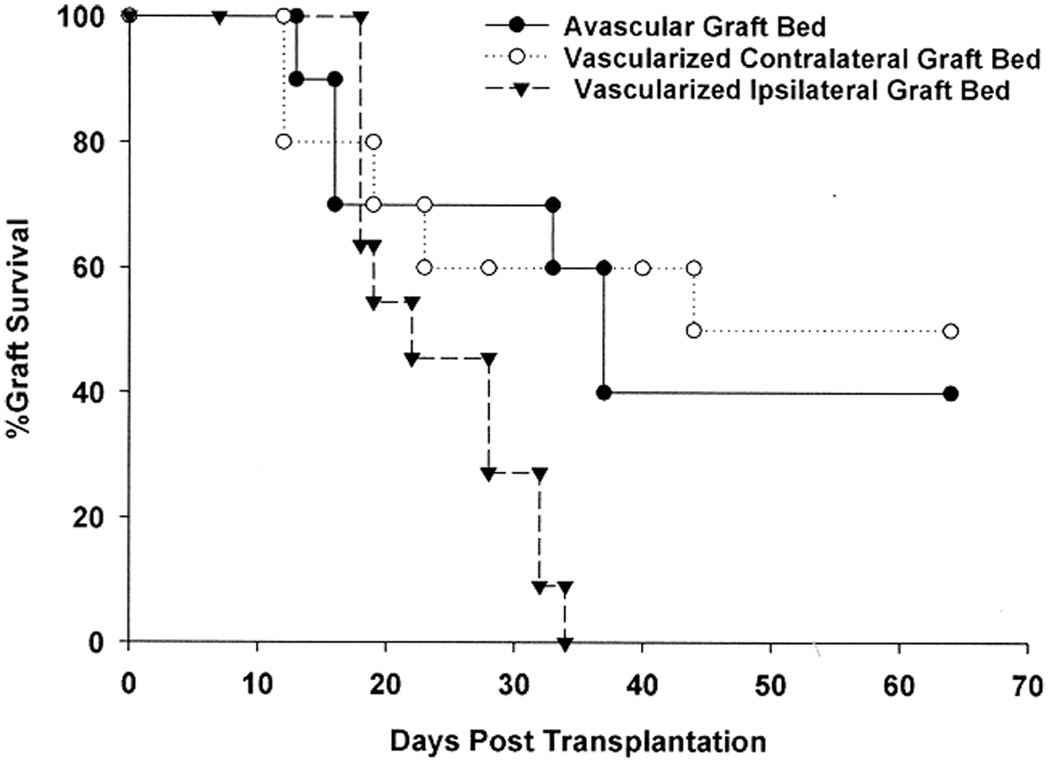
Figure 10. Effect of corneal inflammation provoked by foreign body reactions on corneal allograft survival
Nylon sutures were placed into the right eyes of BALB/c mice to induce neovascularization of the cornea. Sutures were removed 2 weeks later and C57BL/6 corneal allografts were transplanted into either the right (vascularized graft bed) or left (nonvascularized graft bed) eyes of the suture-treated mice. A third group of BALB/c mice were not treated with sutures, but received C57BL/6 corneal allografts. There were 10 mice in each group. p > 0.05 for the untreated versus vascularized contralateral graft bed groups.

References

    1. Mosmann TR, Cherwinski H, Bond MW, Giedlin MA, Coffman RL. Two types of murine helper T cell clone. I. Definition according to profiles of lymphokine activities and secreted proteins. J Immunol. 1986;136:2348–2357. - PubMed
    1. Yamada J, Yoshida M, Taylor AW, Streilein JW. Mice with Th2-biased immune systems accept orthotopic corneal allografts placed in "high risk" eyes. J Immunol. 1999;162:5247–5255. - PubMed
    1. Le Moine A, Flamand V, Demoor FX, et al. Critical roles for IL-4, IL-5, and eosinophils in chronic skin allograft rejection. J Clin Invest. 1999;103:1659–1667. - PMC - PubMed
    1. Piccotti JR, Chan SY, Goodman RE, Magram J, Eichwald EJ, Bishop DK. IL-12 antagonism induces T helper 2 responses, yet exacerbates cardiac allograft rejection. Evidence against a dominant protective role for T helper 2 cytokines in alloimmunity. J Immunol. 1996;157:1951–1957. - PubMed
    1. VanBuskirk AM, Wakely ME, Orosz CG. Transfusion of polarized TH2-like cell populations into SCID mouse cardiac allograft recipients results in acute allograft rejection. Transplantation. 1996;62:229–238. - PubMed

Publication types

MeSH terms