


A blinded randomized controlled trial of motivational interviewing to improve adherence with osteoporosis medications: design of the OPTIMA trial
- PMID: 19436935
- PMCID: PMC2922963
- DOI: 10.1007/s00198-009-0951-9
A blinded randomized controlled trial of motivational interviewing to improve adherence with osteoporosis medications: design of the OPTIMA trial
Abstract
We have designed an innovative randomized controlled trial for improving adherence with osteoporosis medications. Recruitment and randomization have been successful. Also, the counseling intervention has been well accepted by subjects randomized to this treatment arm.
Introduction: While many effective treatments exist for osteoporosis, most people do not adhere to such treatments long term. No proven interventions exist to improve osteoporosis medication adherence. We report here on the design and initial enrollment in an innovative randomized controlled trial aimed at improving adherence to osteoporosis treatments.
Methods: The trial represents a collaboration between academic researchers and a state-run pharmacy benefits program for low-income older adults. Beneficiaries beginning treatment with a medication for osteoporosis are targeted for recruitment. We randomize consenting individuals to receive 12 months of mailed education (control arm) or an intervention consisting of one-on-one telephone-based counseling and the mailed education. Motivational interviewing forms the basis for the counseling program which is delivered by seven trained and supervised health counselors over ten telephone calls. The counseling sessions include scripted dialog and open-ended questions about medication adherence and its barriers, as well as structured questions. The primary end point of the trial is medication adherence measured over the 12-month intervention period. Secondary end points include fractures, nursing home admissions, health care resource utilization, and mortality.
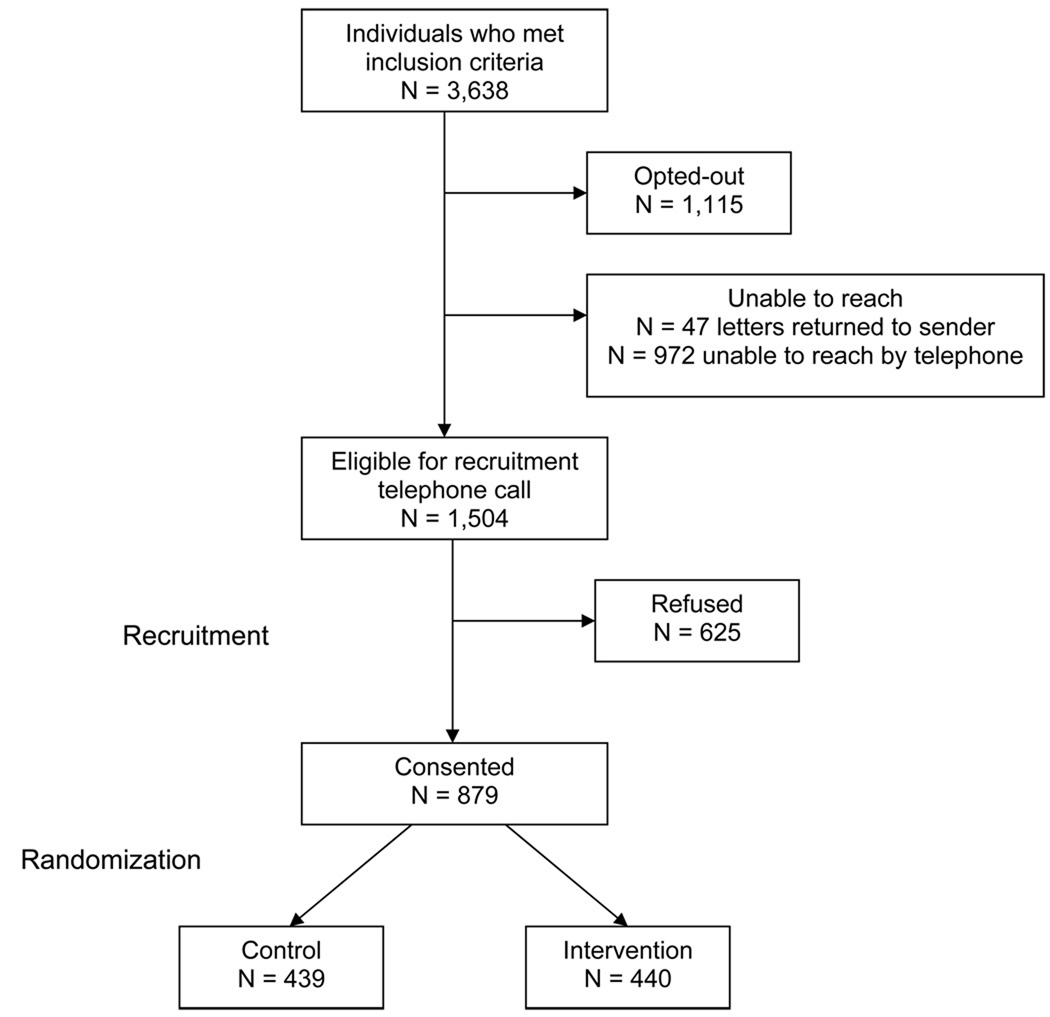
Results: During the first 7 months of recruitment, we have screened 3,638 potentially eligible subjects. After an initial mailing, 1,115 (30.6%) opted out of telephone recruitment and 1,019 (28.0%) could not be successfully contacted. Of the remaining, 879 (24.2%) consented to participate and were randomized. Women comprise over 90% of all groups; mean ages range from 77 to 80 years old, and the majority in all groups was white. The distribution of osteoporosis medications was comparable across groups and the median number of different prescription drugs used in the prior year was eight to ten.
Conclusions: We have developed a novel intervention for improving osteoporosis medication adherence. The intervention is currently being tested in a large-scale randomized controlled trial. If successful, the intervention may represent a useful model for improving adherence to other chronic treatments.
Conflict of interest statement
There are no potential conflicts to report.
References
-
- Wolf RL, Zmuda JM, Stone KL, Cauley JA. Update on the epidemiology of osteoporosis. Curr Rheumatol Rep. 2000 Feb;2(1):74–86. - PubMed
-
- Braithwaite RS, Col NF, Wong JB. Estimating hip fracture morbidity, mortality and costs. Journal of the American Geriatrics Society. 2003;51(3):364–370. - PubMed
-
- Burge R D-HB, Solomon DH, Wong JB, King A, Tosteson A. Incidence and economic burden of osteoporosis-related fractures in the United States, 2005–2025. Journal of Bone and Mineral Research. 2007;22(3):465–475. - PubMed
-
- Cranney A, Guyatt G, Griffith L, et al. Meta-analyses of therapies for postmenopausal osteoporosis. IX: Summary of meta-analyses of therapies for postmenopausal osteoporosis. Endocrine Reviews. 2002;23(4):570–578. - PubMed
Publication types
MeSH terms
Substances
Grants and funding
LinkOut - more resources
Full Text Sources
Medical
