High protein intake associates with cardiovascular events but not with loss of renal function
- PMID: 19443643
- PMCID: PMC2723984
- DOI: 10.1681/ASN.2008060649
High protein intake associates with cardiovascular events but not with loss of renal function
Abstract
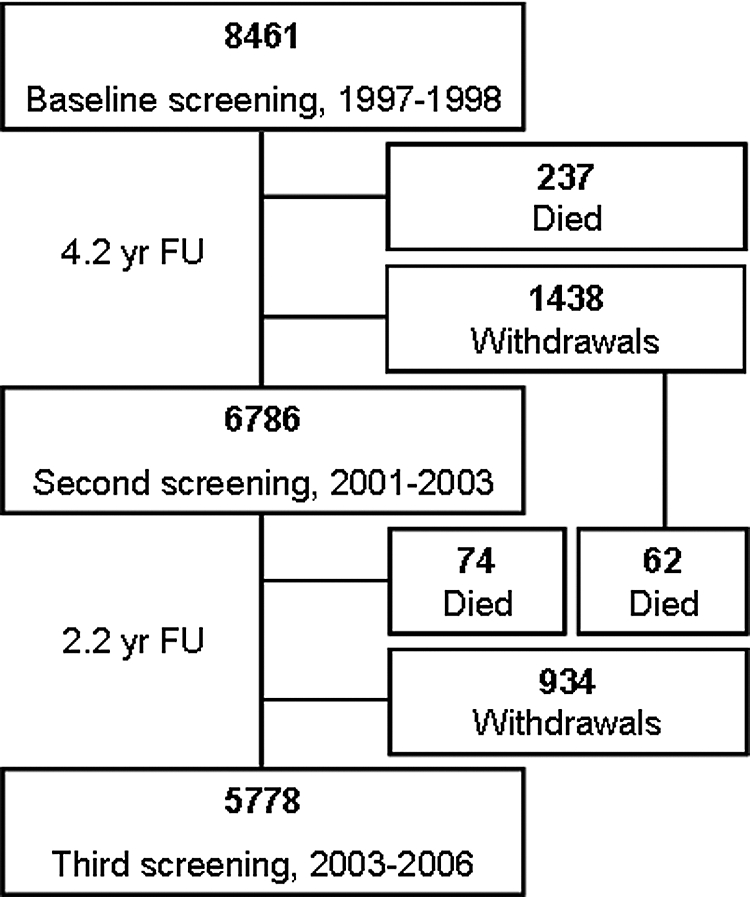
The long-term effects of higher dietary protein intake on cardiovascular and renal outcomes in the general population are not clear. We analyzed data from 8461 individuals who did not have renal disease and participated in two or three subsequent screenings (6.4-yr follow-up) in a prospective, community-based cohort study (Prevention of Renal and Vascular ENd-stage Disease [PREVEND]). We calculated daily protein intake from 24-h urinary urea excretion (Maroni formula) and used Cox proportional hazard models to analyze the associations between protein intake, cardiovascular events, and mortality. We used mixed-effects models to investigate the association between protein intake and change in renal function over time. The mean +/- SD daily protein intake was 1.20 +/- 0.27 g/kg. Protein intake was significantly associated with cardiovascular events during follow-up. The associations seemed U-shaped; compared with intermediate protein intake, individuals with either higher or lower protein intake had higher event rates. All-cause mortality and noncardiovascular mortality also were significantly associated with protein intake; individuals with low protein intake had the highest event rates. We found no association between baseline protein intake and rate of renal function decline during follow-up. In summary, in the general population, high protein intake does not promote accelerated decline of renal function but does associate with an increased risk for cardiovascular events.
Figures

References
-
- Levey AS, Greene T, Sarnak MJ, Wang X, Beck GJ, Kusek JW, Collins AJ, Kopple JD: Effect of dietary protein restriction on the progression of kidney disease: Long-term follow-up of the Modification of Diet in Renal Disease (MDRD) Study. Am J Kidney Dis 48: 879–888, 2006 - PubMed
-
- Klahr S, Levey AS, Beck GJ, Caggiula AW, Hunsicker L, Kusek JW, Striker G: The effects of dietary protein restriction and blood-pressure control on the progression of chronic renal disease. Modification of Diet in Renal Disease Study Group. N Engl J Med 330: 877–884, 1994 - PubMed
-
- Fouque D, Laville M, Boissel JP: Low protein diets for chronic kidney disease in non diabetic adults. Cochrane Database Syst Rev 19: CD001892, 2006 - PubMed
-
- Kasiske BL, Lakatua JD, Ma JZ, Louis TA: A meta-analysis of the effects of dietary protein restriction on the rate of decline in renal function. Am J Kidney Dis 31: 954–961, 1998 - PubMed
-
- Knight EL, Stampfer MJ, Hankinson SE, Spiegelman D, Curhan GC: The impact of protein intake on renal function decline in women with normal renal function or mild renal insufficiency. Ann Intern Med 138: 460–467, 2003 - PubMed
Publication types
MeSH terms
Substances
LinkOut - more resources
Full Text Sources
Other Literature Sources
Medical