


Protective effects of ezrin on cold storage preservation injury in the pig kidney proximal tubular epithelial cell line (LLC-PK1)
- PMID: 19461485
- PMCID: PMC2745206
- DOI: 10.1097/TP.0b013e3181a43f18
Protective effects of ezrin on cold storage preservation injury in the pig kidney proximal tubular epithelial cell line (LLC-PK1)
Abstract
Background: Renal damage caused by cold preservation and warm reperfusion has been well documented and involves tissue edema, cell swelling, ATP depletion, calcium toxicity, and oxidative stress. However, more common proximal mechanisms have not been identified, which may limit the development of effective clinical treatment strategies. Previous work indicates that many cytoskeletal structures are affected by cold preservation and reperfusion, including membrane-rich ezrin-associated complexes. The aim of this study was to investigate whether the sublamellar cytoskeletal protein ezrin is causally involved in cold preservation injury in renal tubule epithelial cells.
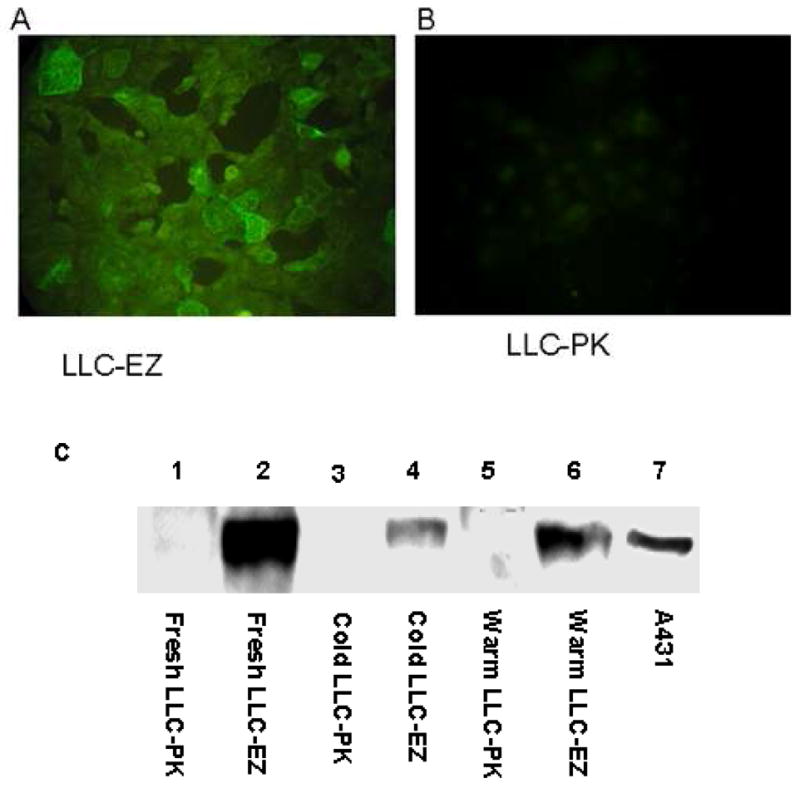
Methods: We created a stably transfected cell line (LLC-EZ) using the pig kidney proximal tubular epithelial cell line (LLC-PK1), which constitutively overexpresses wild-type ezrin. These cells were cold stored in University of Wisconsin Solution and reperfused in vitro to model renal tubule preservation injury, which was assessed by biochemical, metabolic, functional, and structural endpoints.
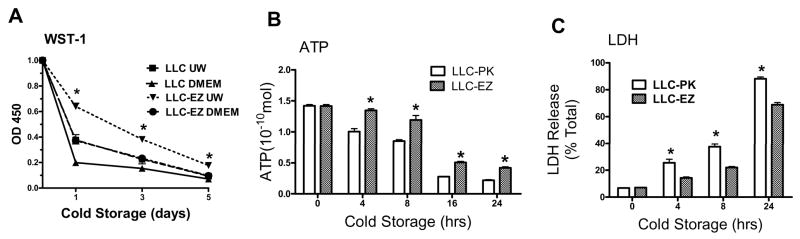
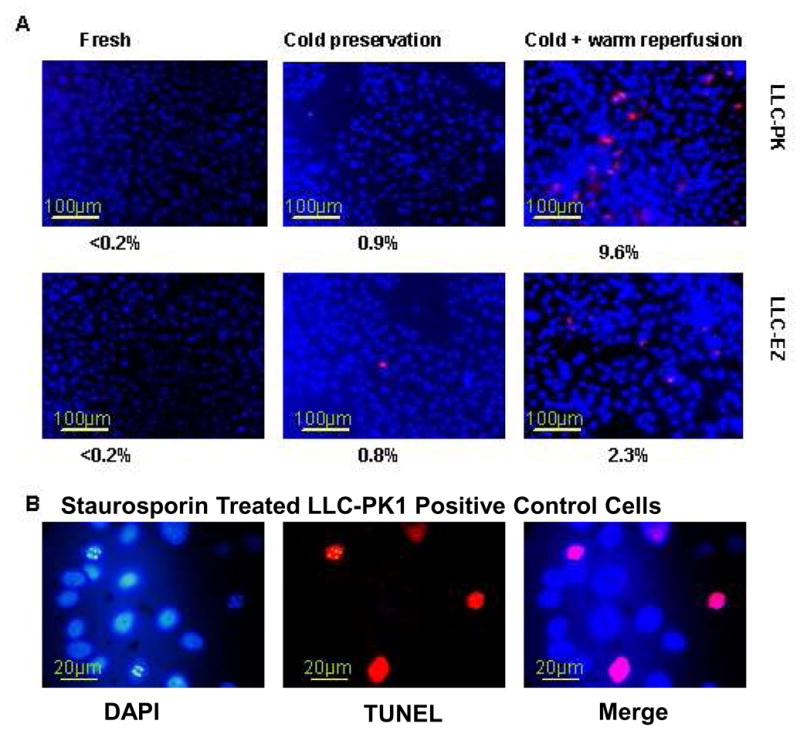
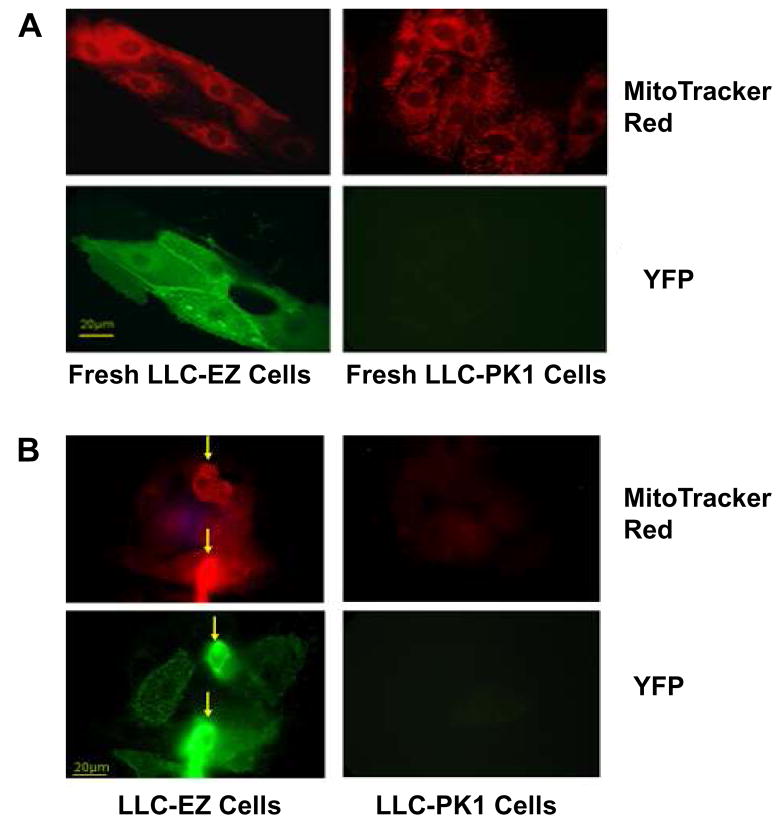
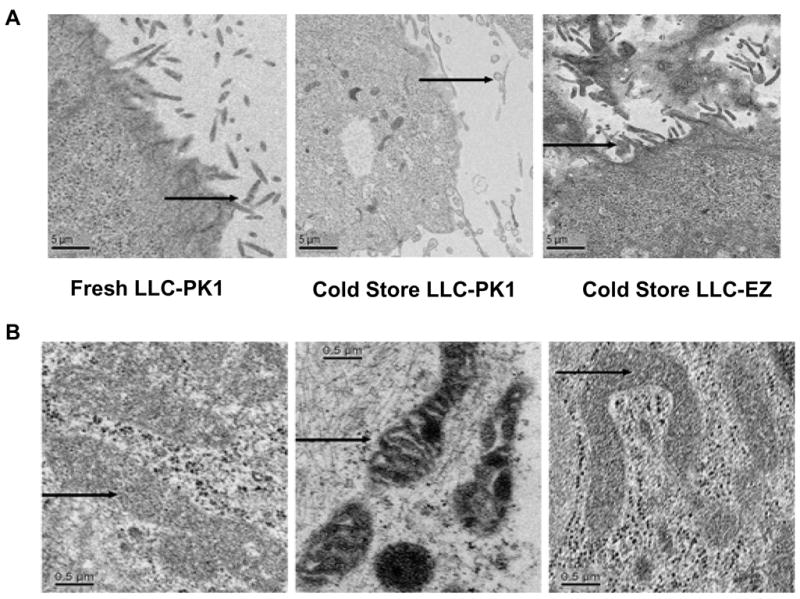
Results: Overexpression of ezrin increased cell viability (lactate dehydrogenase release), mitochondrial activity (ATP synthesis, dehydrogenase activity, and inner mitochondrial membrane potential), and protected the structure of cell membrane microvilli and mitochondria after cold storage preservation injury. Reperfusion-induced apoptosis was also significantly reduced in LLC-EZ cells overexpressing ezrin.
Conclusions: Enhanced ezrin expression protects tubule epithelial cells from cold storage preservation injury, possibly by membrane or mitochondrial mechanisms.
Figures
References
-
- Hauet T, Eugene M. A new approach in organ preservation: potential role of new polymers. Kidney Int. 2008;74:998–1003. - PubMed
-
- Peters TG, Shaver TR, Ames JE, Santiago-Delpin EA, Jones KW, Blanton JW. Cold ischemia and outcome in 17,937 cadaveric kidney transplants. Transplantation. 1995;59:191–196. - PubMed
-
- Pfaff WW, Howard RJ, Patton PR, Adams VR, Rosen CB, Reed AI. Delayed graft function after renal transplantation. Transplantation. 1998;65:219–223. - PubMed
-
- Troppmann C, Gillingham KJ, Benedetti E, et al. Delayed graft function, acute rejection, and outcome after cadaver renal transplantation. The multivariate analysis. Transplantation. 1995;59:962–968. - PubMed
-
- Lee CM, Carter JT, Alfrey EJ, Ascher NL, Roberts JP, Freise CE. Prolonged cold ischemia time obviates the benefits of 0 HLA mismatches in renal transplantation. Arch Surg. 2000;135:1016–1019. - PubMed
Publication types
MeSH terms
Substances
Grants and funding
LinkOut - more resources
Full Text Sources
Other Literature Sources
