


Overexpression of lecithin:retinol acyltransferase in the epithelial basal layer makes mice more sensitive to oral cavity carcinogenesis induced by a carcinogen
- PMID: 19471114
- PMCID: PMC2882701
- DOI: 10.4161/cbt.8.13.8630
Overexpression of lecithin:retinol acyltransferase in the epithelial basal layer makes mice more sensitive to oral cavity carcinogenesis induced by a carcinogen
Abstract
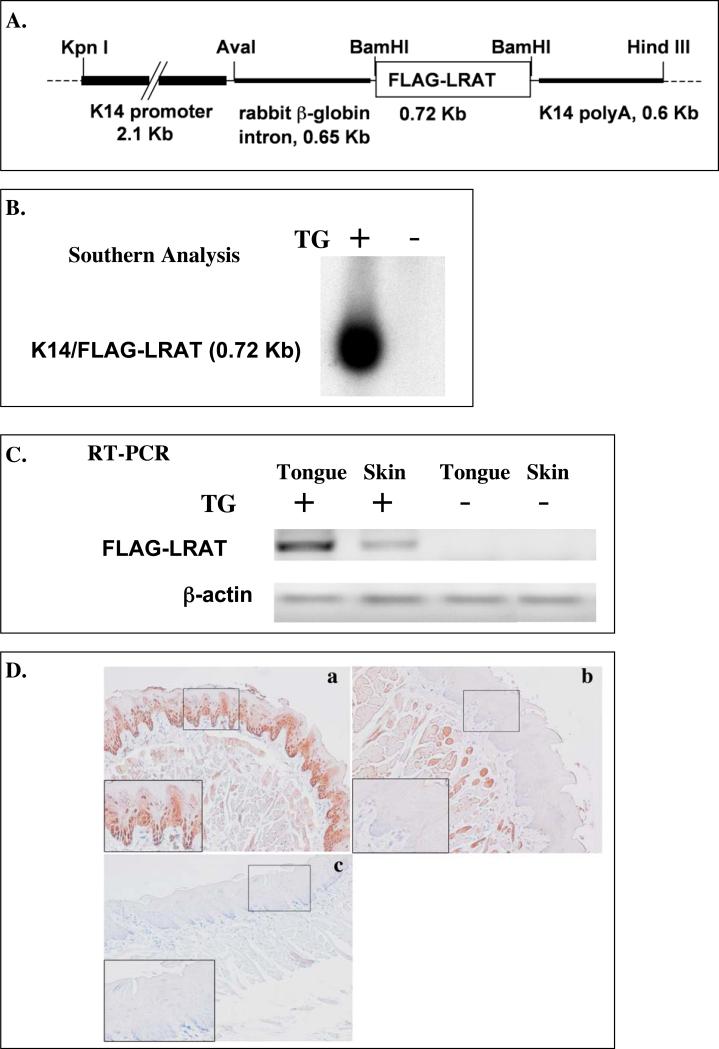
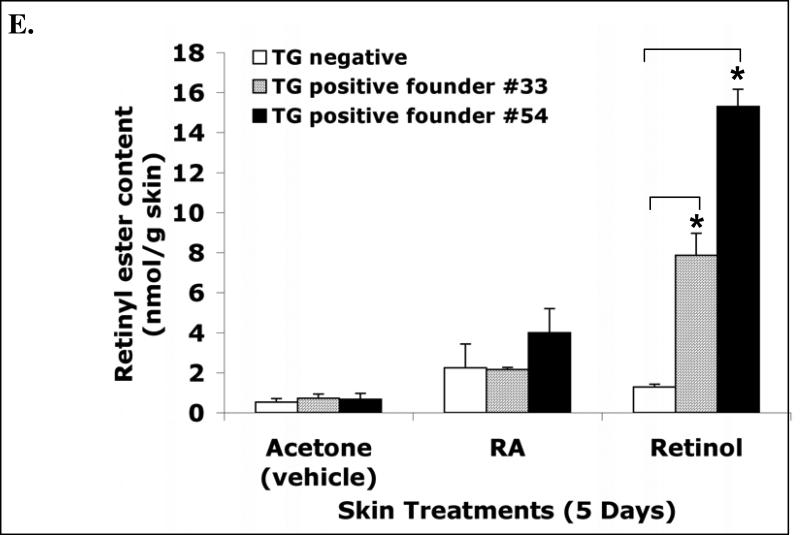
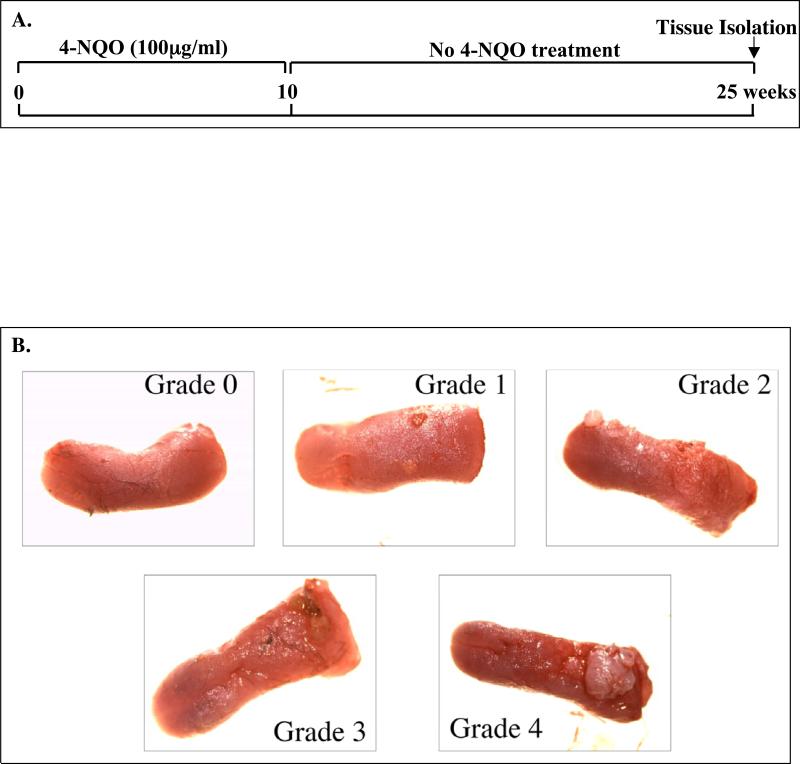
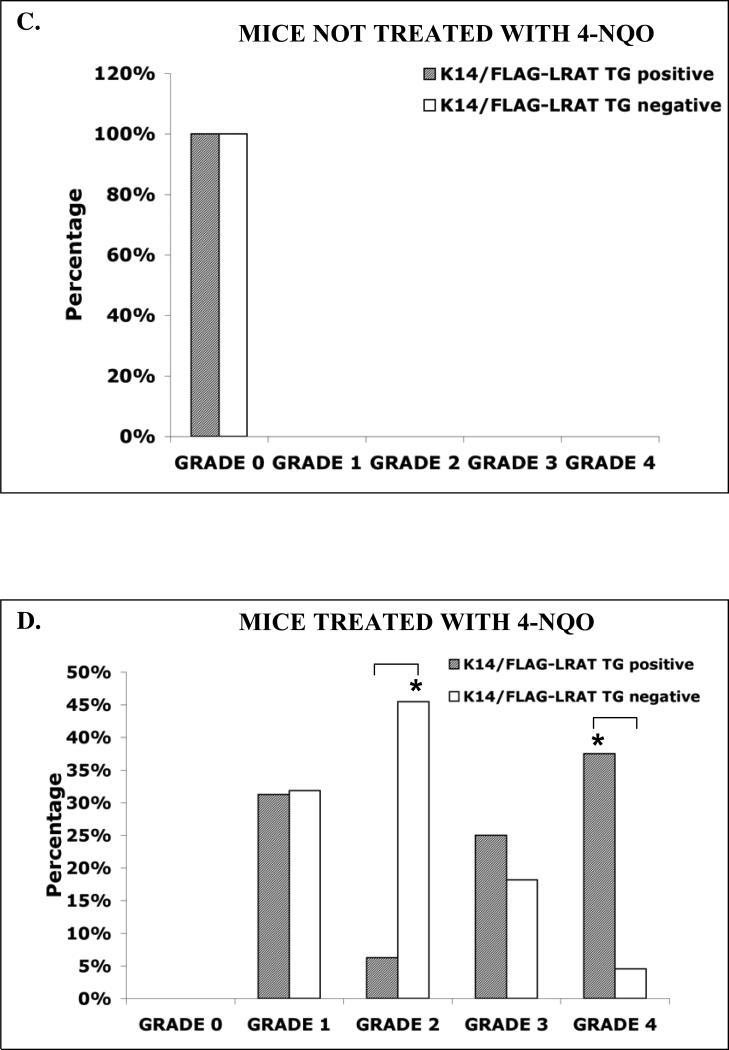
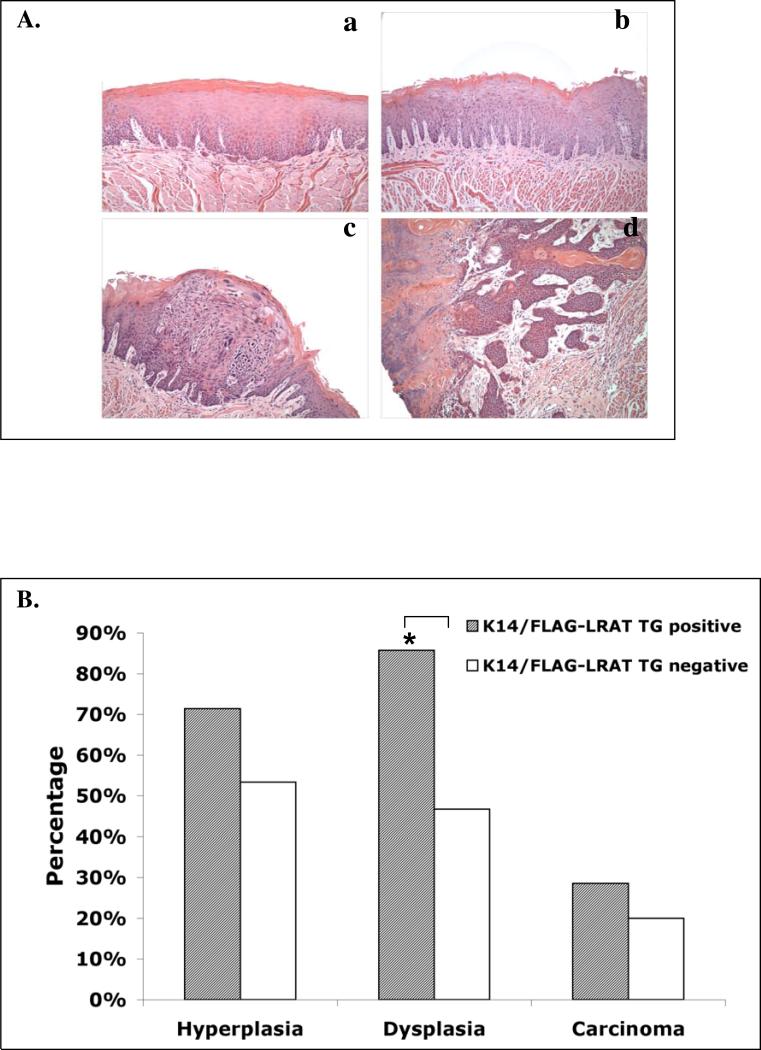
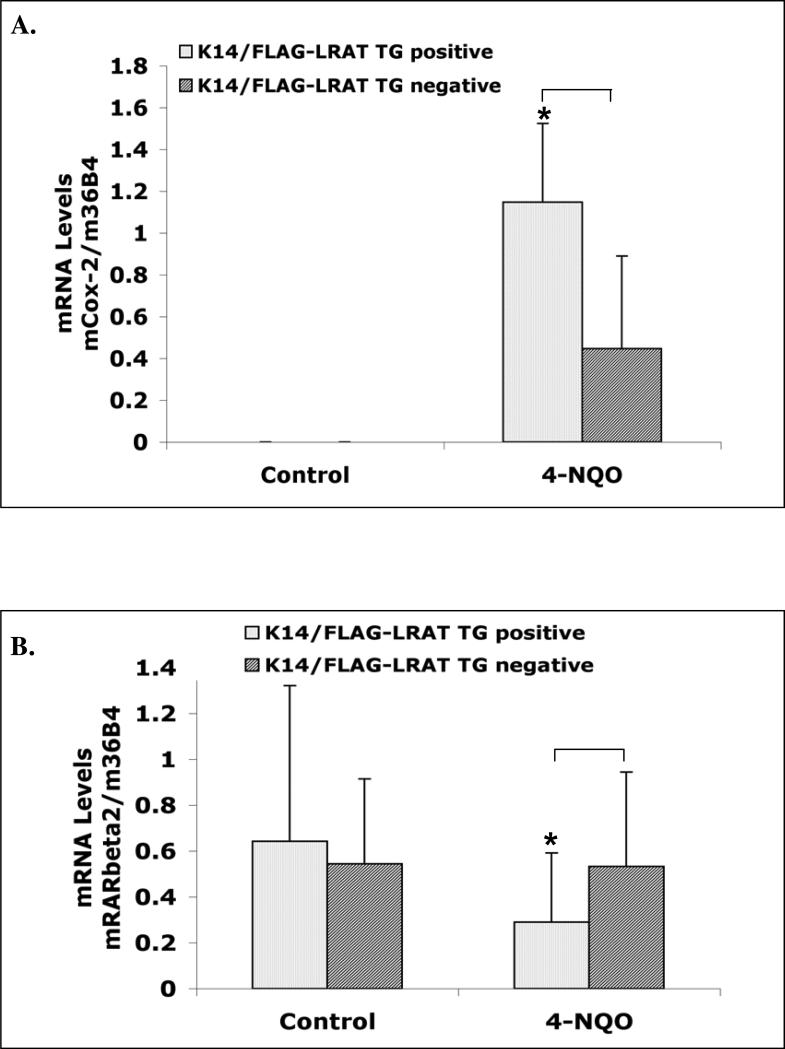
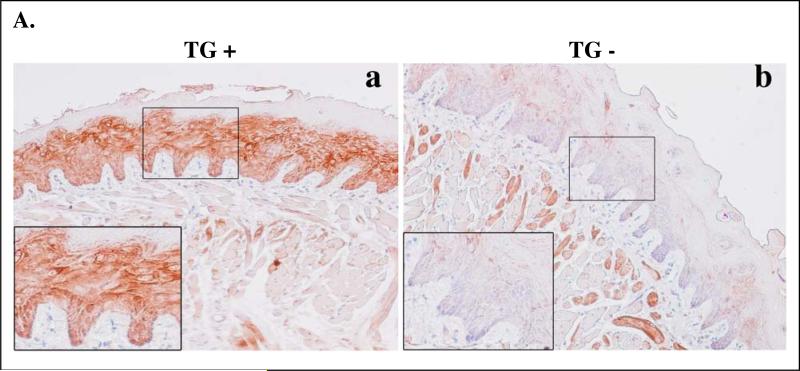
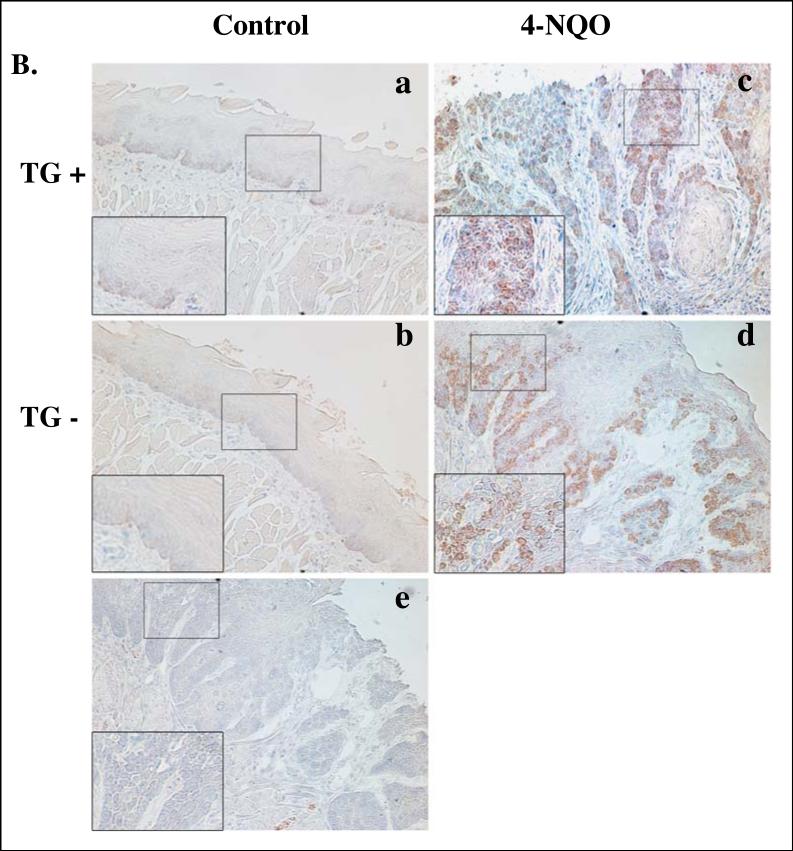
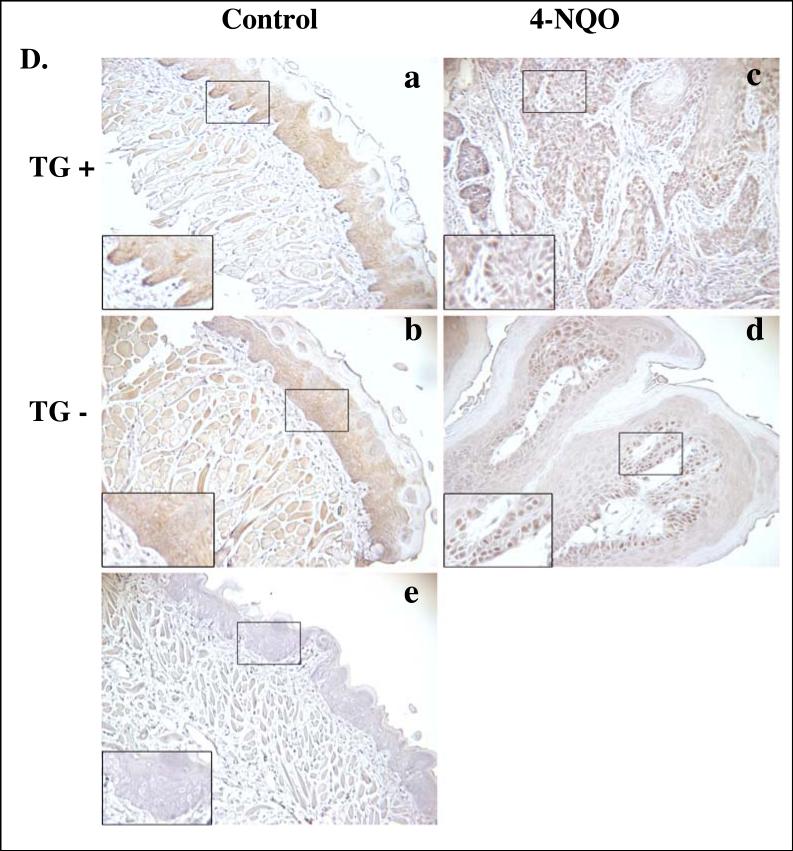
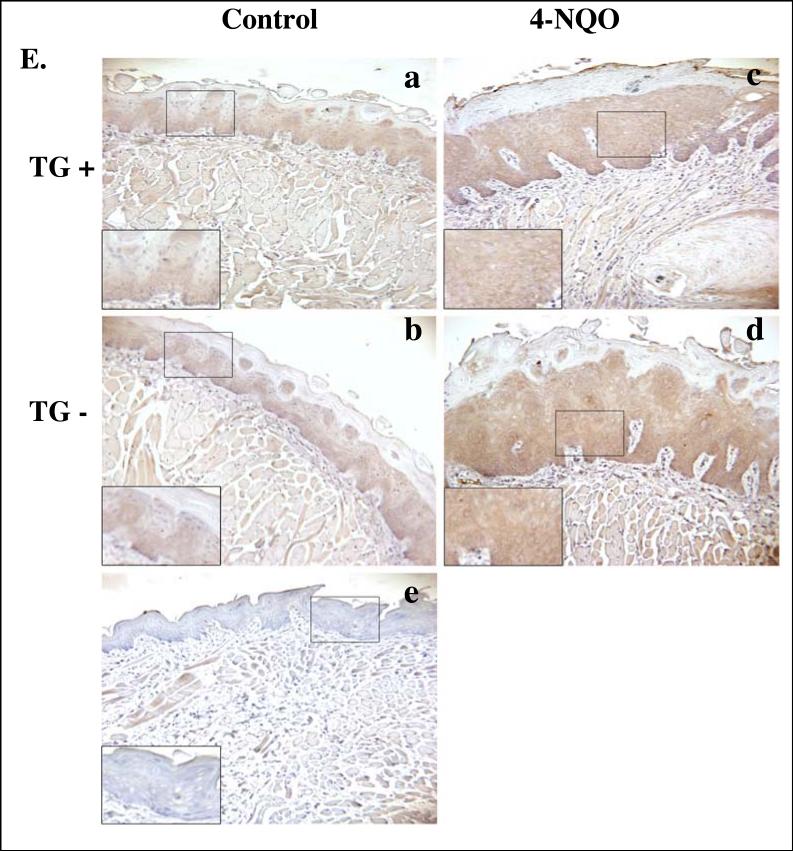
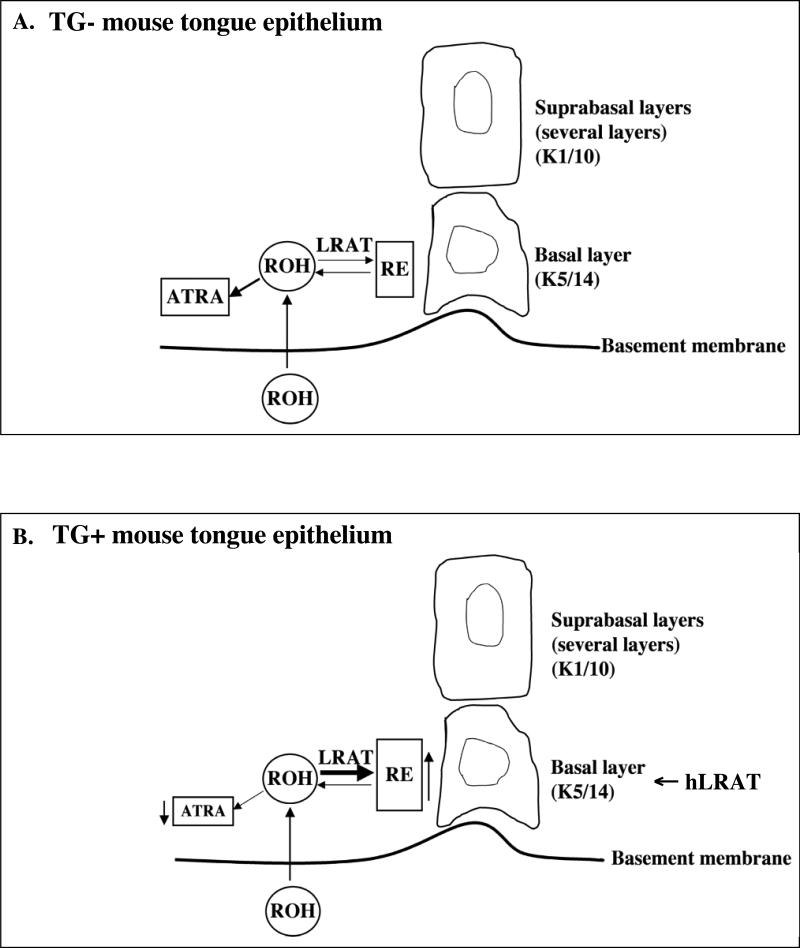
Lecithin:retinol acyltransferase (LRAT) is an enzyme that converts retinol (vitamin A) to retinyl esters. Its expression is often reduced in human cancers, including oral cavity cancers. We investigated the effects of ectopic expression of human lecithin:retinol acyltransferase (LRAT) on murine oral cavity carcinogenesis induced by the carcinogen 4-nitroquinoline 1-oxide (4-NQO). We targeted human LRAT expression specifically to the basal layer of mouse skin and oral cavity epithelia by using a portion of the human cytokeratin 14 (K14) promoter. High levels of human LRAT transgene transcripts were detected in the tongues and skin of adult transgenic positive (TG+) mice, but not in transgenic negative (TG-) mice. The retinyl ester levels in skin of LRAT TG+ mice were 32% +/- 5.4% greater than those in TG- mice, and topical treatment of the back skin with retinol resulted in greater increases in retinyl esters (from 6.9- to 14.3-fold in different TG+ mice) in TG+ mouse skin than in TG- mouse skin (1.3 fold). While carcinogen (4-NQO) treatment induced multifocal precancerous and cancer lesions in the tongues of both TG positive (n=16) and negative mice (n=22), higher percentages of transgenic positive mice (62.5%) developed more severe tongue lesions (grades 3 and 4) than transgenic negative mice (24.8%) after 4-NQO treatment (p < 0.05). Carcinogen treatment also resulted in greater percentages of transgenic positive mouse tongues with hyperplasia (71.4%), dysplasia (85.7%, p < 0.05), and carcinoma (28.6%) than transgenic negative mouse tongues (53.3%, 46.7%, and 20%, respectively). Moreover, we observed higher cyclooxygenase-2 (Cox-2) and lower RARbeta(2) mRNA levels in TG+ mouse tongues as compared to TG- mouse tongues after 4-NQO treatment (p < 0.05). Taken together, these data show that overexpression of human LRAT specifically in oral basal epithelial cells makes these cells more sensitive to carcinogen induced tumorigenesis.
Figures

Comment in
-
Lecithin:retinol acyltransferase and retinyl esters: is balance the essence in carcinogenesis?Cancer Biol Ther. 2009 Jul;8(13):1226-7. doi: 10.4161/cbt.8.13.8902. Epub 2009 Jul 1. Cancer Biol Ther. 2009. PMID: 19483469 No abstract available.
References
-
- Amornphimoltham P, Sriuranpong V, Patel V, Benavides F, Conti CJ, Sauk J, Sausville EA, Molinolo AA, Gutkind JS. Persistent activation of the Akt pathway in head and neck squamous cell carcinoma: a potential target for UCN-01. Clin Cancer Res. 2004;10:4029–37. - PubMed
-
- Arnold I, Watt FM. c-Myc activation in transgenic mouse epidermis results in mobilization of stem cells and differentiation of their progeny. Curr Biol. 2001;11:558–568. - PubMed
-
- Binnie WH, Rankin KV, Mackenzie IC. Etiology of oral squamous cell carcinoma. J Oral Pathol. 1983;12:11–29. - PubMed
Publication types
MeSH terms
Substances
Grants and funding
LinkOut - more resources
Full Text Sources
Other Literature Sources
Research Materials
Miscellaneous
