


The role of hyperglycemia in burned patients: evidence-based studies
- PMID: 19503020
- PMCID: PMC3878072
- DOI: 10.1097/SHK.0b013e3181af0494
The role of hyperglycemia in burned patients: evidence-based studies
Abstract
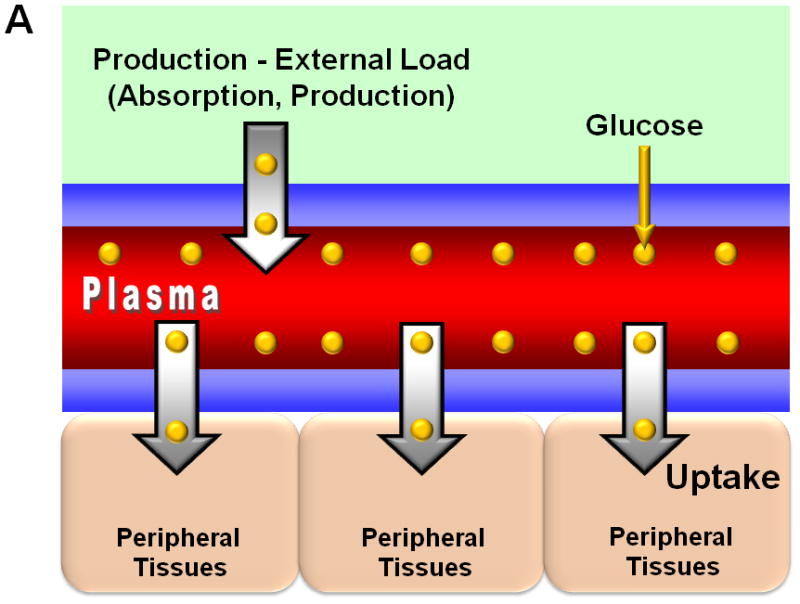
Severely burned patients typically experience a systemic response expressed as increased metabolism, inflammation, alteration of cardiac and immune function, and associated hyperglycemia. Hyperglycemia has been associated with an increased risk of morbidity and mortality in critically ill patients. Until recently and for many years, hyperglycemia has been expectantly managed and considered a normal and desired response of an organism to stress. However, findings reported from recent studies now suggest beneficial effects of intensive insulin treatment of critically ill patients. The literature on the management of hyperglycemia in severely burned patients is sparse, with most of the available studies involving only small numbers of burned patients. The purpose of this article is to describe the pathophysiology of hyperglycemia after severe burns and to review the available literature on the outcome of intensive insulin treatment and other anti-hyperglycemic modalities in burned patients in an evidence-based medical approach.
Figures


References
-
- Demling RH. Burns: what are the pharmacological treatment options? Expert Opin Pharmacother. 2008;9(11):1895–908. - PubMed
-
- Herndon DN, Tompkins RG. Support of the metabolic response to burn injury. Lancet. 2004;363(9424):1895–902. - PubMed
-
- Guidelines for the operation of burn centers. J Burn Care Res. 2007;28(1):134–41. - PubMed
Publication types
MeSH terms
Substances
Grants and funding
LinkOut - more resources
Full Text Sources
Medical
