


REM, not incubation, improves creativity by priming associative networks
- PMID: 19506253
- PMCID: PMC2700890
- DOI: 10.1073/pnas.0900271106
REM, not incubation, improves creativity by priming associative networks
Abstract
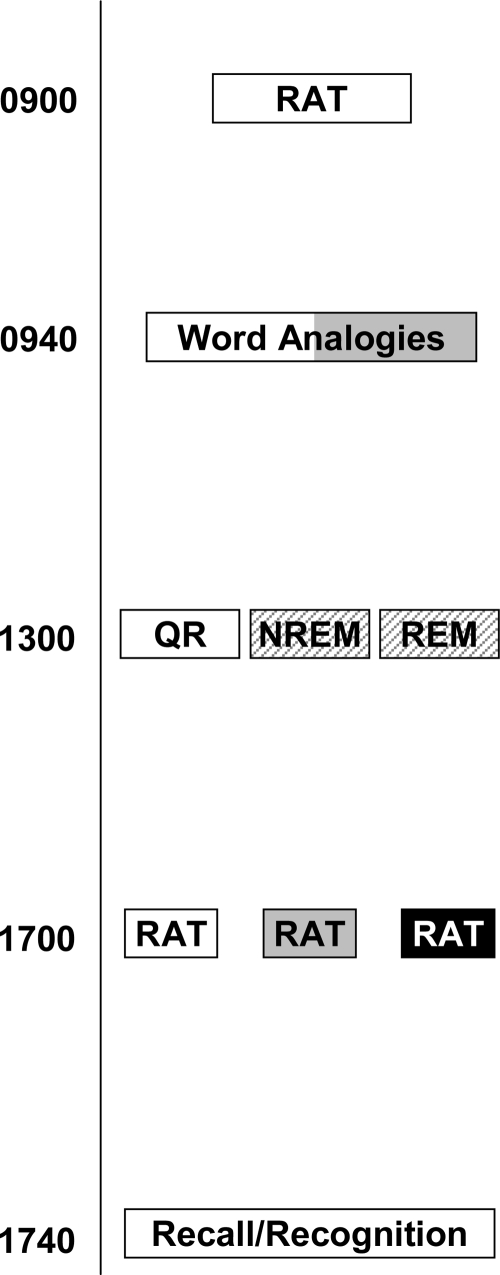
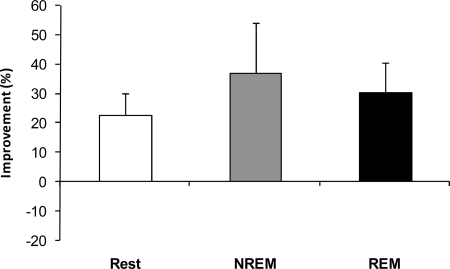
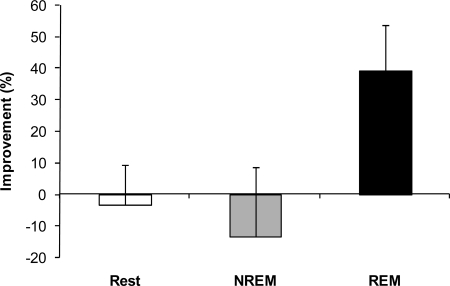
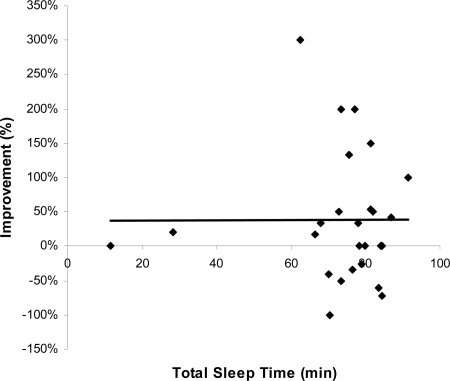
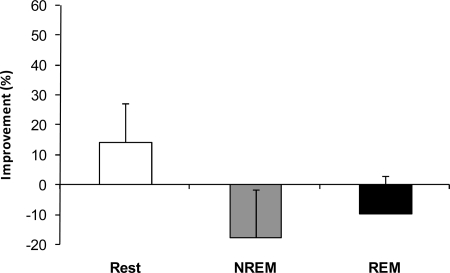
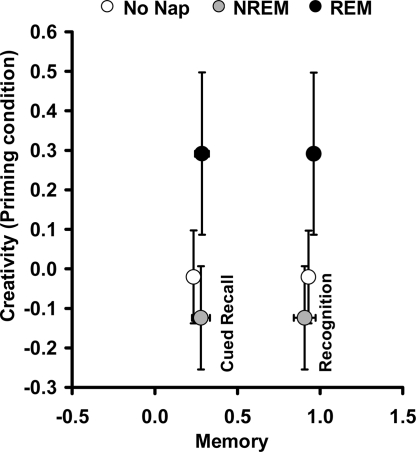
The hypothesized role of rapid eye movement (REM) sleep, which is rich in dreams, in the formation of new associations, has remained anecdotal. We examined the role of REM on creative problem solving, with the Remote Associates Test (RAT). Using a nap paradigm, we manipulated various conditions of prior exposure to elements of a creative problem. Compared with quiet rest and non-REM sleep, REM enhanced the formation of associative networks and the integration of unassociated information. Furthermore, these REM sleep benefits were not the result of an improved memory for the primed items. This study shows that compared with quiet rest and non-REM sleep, REM enhances the integration of unassociated information for creative problem solving, a process, we hypothesize, that is facilitated by cholinergic and noradrenergic neuromodulation during REM sleep.
Conflict of interest statement
The authors declare no conflict of interest.
Figures
References
-
- Mednick SA. The associative basis of the creative process. Psychol Rev. 1962;69:220–232. - PubMed
-
- Wallas G. The Art of Thought. New York: Harcourt Brace; 1962.
-
- Koestler A. The Act of Creation. New York: Dell; 1964.
-
- Patrick C. Creative thought in artists. J Psychol. 1937;4:35–73.
-
- Olton RM. Experimental studies of incubation: Searching for the elusive. J Creative Behav. 1979;13:9–22.
Publication types
MeSH terms
Grants and funding
LinkOut - more resources
Full Text Sources
Research Materials
