


Endothelial-derived thrombospondin-1 promotes macrophage recruitment and apoptotic cell clearance
- PMID: 19508384
- PMCID: PMC3823274
- DOI: 10.1111/j.1582-4934.2009.00799.x
Endothelial-derived thrombospondin-1 promotes macrophage recruitment and apoptotic cell clearance
Abstract
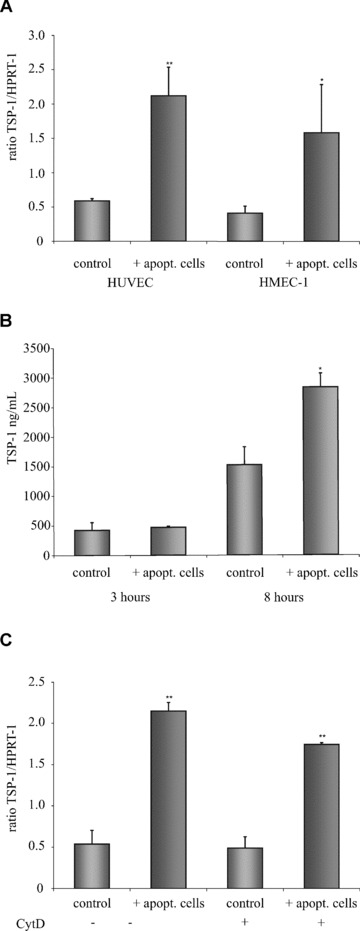
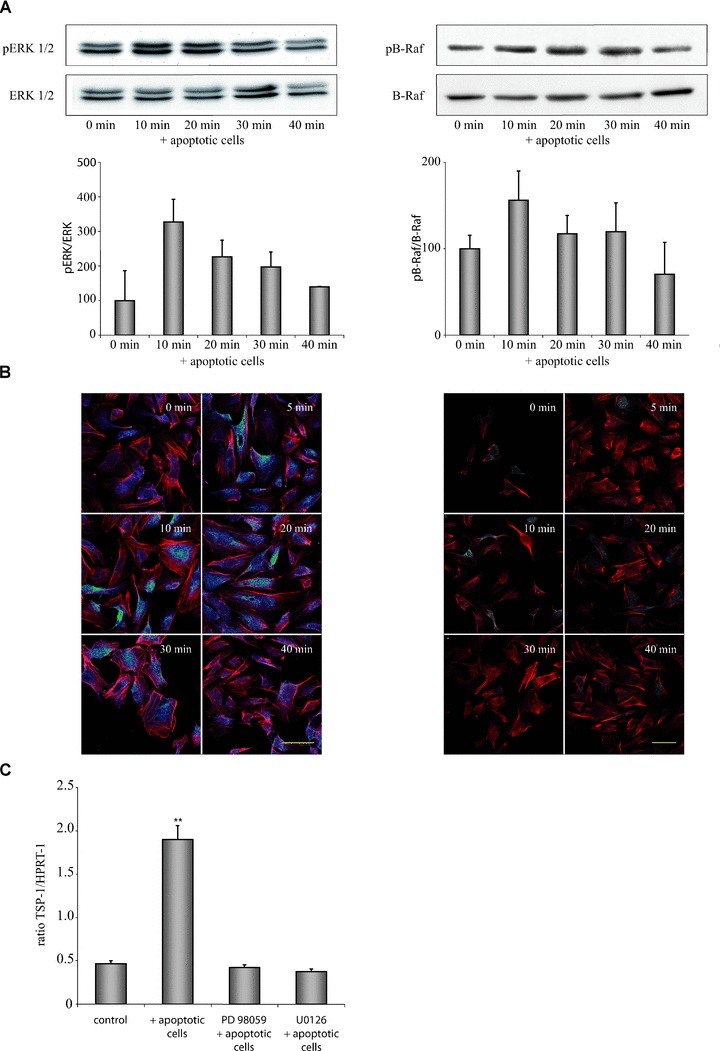
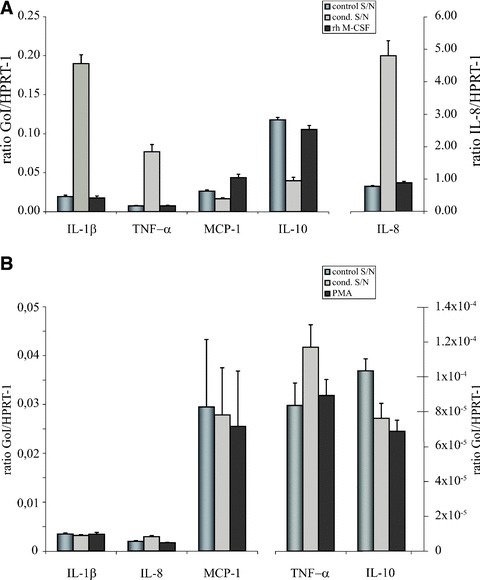
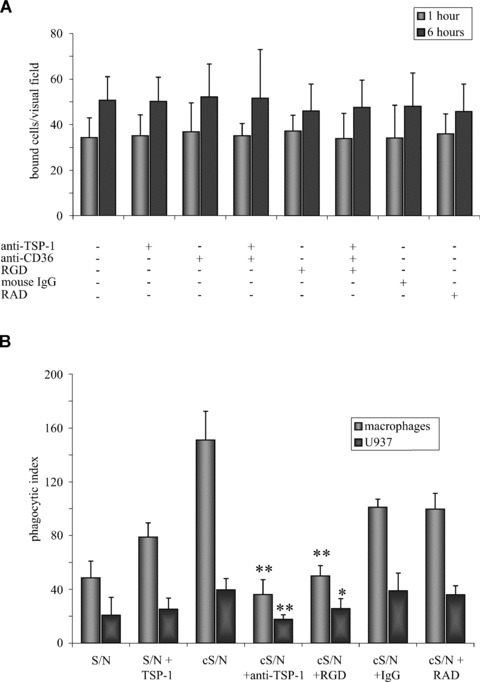
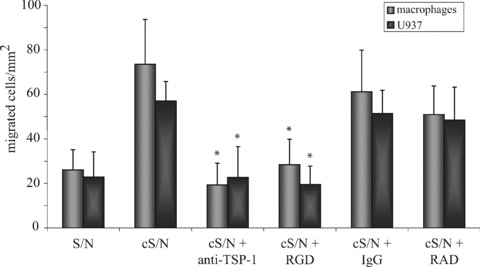
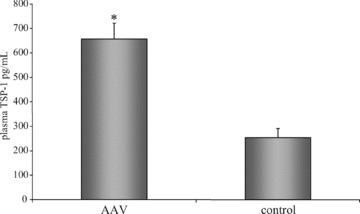
Rapid apoptotic cell engulfment is crucial for prevention of inflammation and autoimmune diseases and is conducted by special immunocompetent cells like macrophages or immature dendritic cells. We recently demonstrated that endothelial cells (ECs) also participate in apoptotic cell clearance. However, in contrast to conventional phagocytes they respond with an inflammatory phenotype. To further confirm these pro-inflammatory responses human ECs were exposed to apoptotic murine ECs and changes in thrombospondin-1 (TSP-1) expression and in activation of intracellular signalling cascades were determined by real-time qPCR, immunoblotting and immunocytochemistry. Human primary macrophages or monocytic lymphoma cells (U937) were incubated with conditioned supernatant of human ECs exposed to apoptotic cells and changes in activation, migration and phagocytosis were monitored. Finally, plasma levels of TSP-1 in patients with anti-neutrophil cytoplasmic antibody(ANCA)-associated vasculitis (AAV) were determined by ELISA. We provided evidence that apoptotic cells induce enhanced expression of TSP-1 in human ECs and that this increase in TSP-1 is mediated by the mitogen-activated protein kinases (MAPK) ERK1 and 2 and their upstream regulators MEK and B-Raf. We also showed that plasma TSP-1 levels are increased in patients with AAV. Finally, we showed that conditioned supernatant of ECs exposed to apoptotic cells induces pro-inflammatory responses in monocytes or U937 cells and demonstrated that increased TSP-1 expression enhances migration and facilitates engulfment of apoptotic cells by monocyte-derived macrophages or U937 cells. These findings suggest that under pathological conditions with high numbers of uncleared dying cells in the circulation endothelial-derived elevated TSP-1 level may serve as an attraction signal for phagocytes promoting enhanced recognition and clearance of apoptotic cells.
Figures
References
-
- Woywodt A, Streiber F, De Groot K, et al. Circulating endothelial cells as markers for ANCA-associated small-vessel vasculitis. Lancet. 2003;361:206–10. - PubMed
-
- Munoz LE, Gaipl US, Franz S, et al. SLE–a disease of clearance deficiency? Rheumatology. 2005;44:1101–7. - PubMed
-
- Kantari C, Pederzoli-Ribeil M, Amir-Moazami O, et al. Proteinase 3, the Wegener autoantigen, is externalized during neutrophil apoptosis: evidence for a functional association with phospholipid scramblase 1 and interference with macrophage phagocytosis. Blood. 2007;110:4086–95. - PubMed
-
- Gaipl US, Munoz LE, Grossmayer G, et al. Clearance deficiency and systemic lupus erythematosus (SLE) J Autoimmun. 2007;28:114–21. - PubMed
-
- Gaipl US, Kuhn A, Sheriff A, et al. Clearance of apoptotic cells in human SLE. Curr Dir Autoimmun. 2006;9:173–87. - PubMed
MeSH terms
Substances
LinkOut - more resources
Full Text Sources
Research Materials
Miscellaneous
