


A fully implanted drug delivery system for peripheral nerve blocks in behaving animals
- PMID: 19524613
- PMCID: PMC2743394
- DOI: 10.1016/j.jneumeth.2009.06.006
A fully implanted drug delivery system for peripheral nerve blocks in behaving animals
Abstract
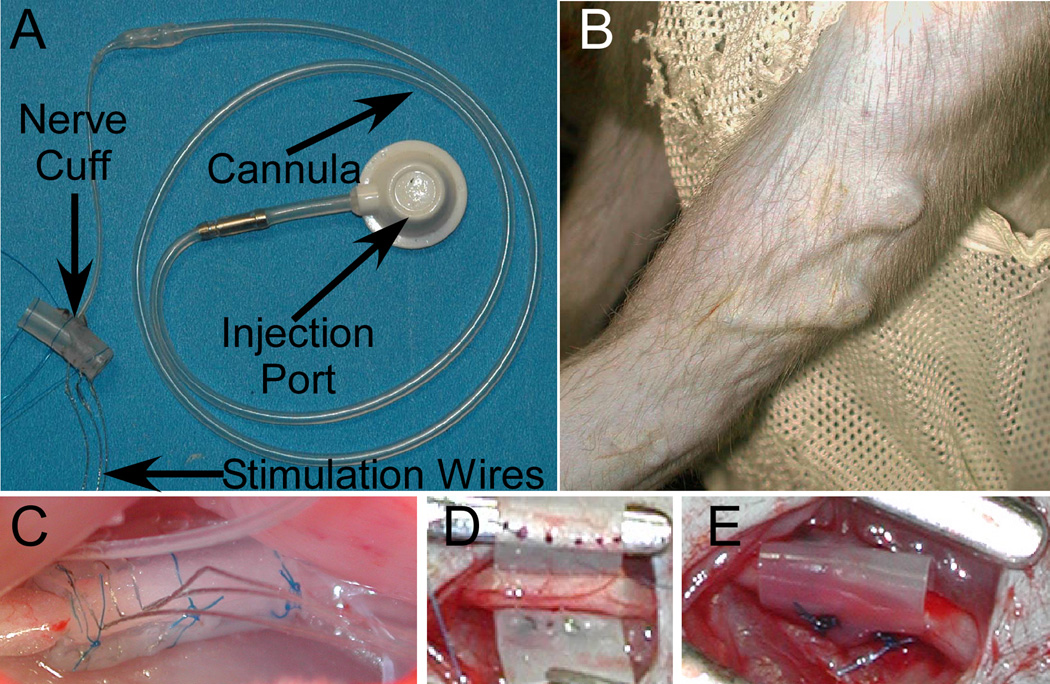
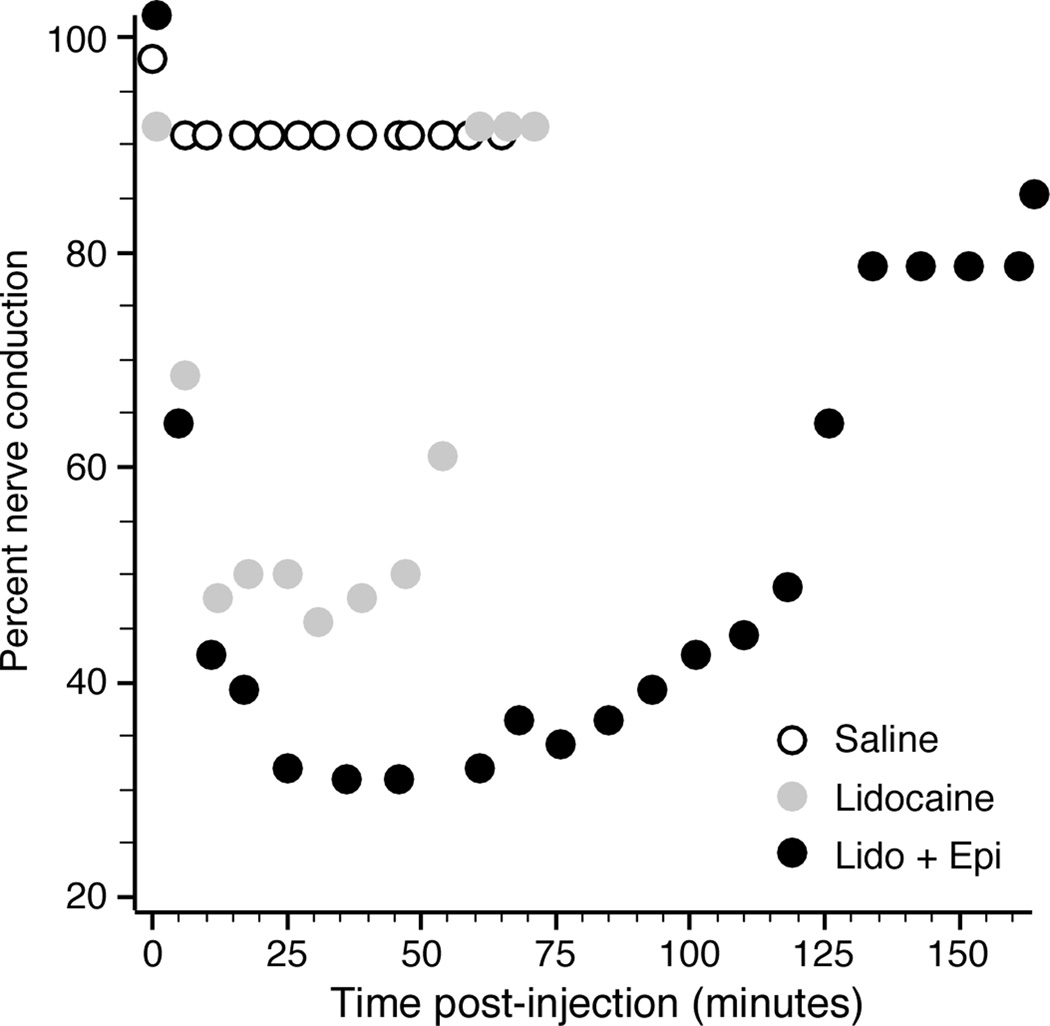
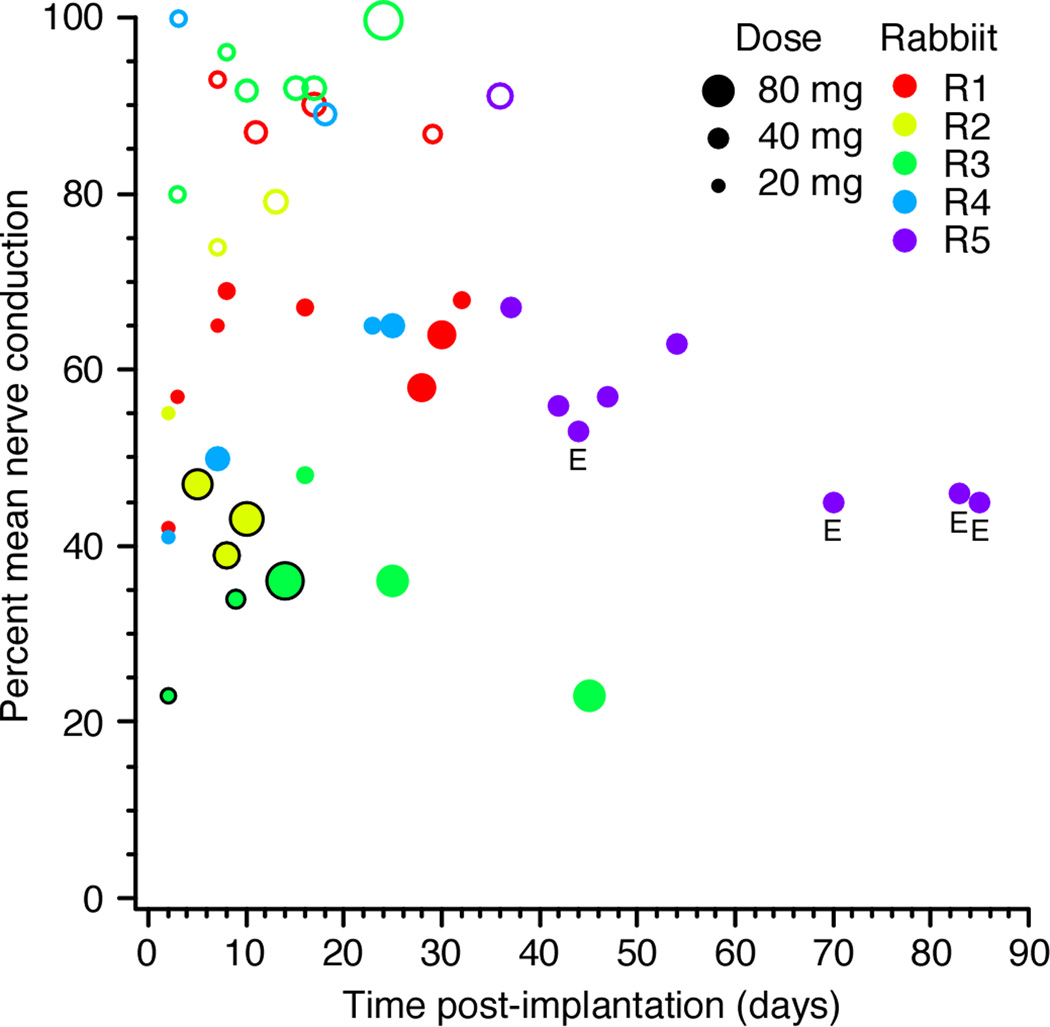
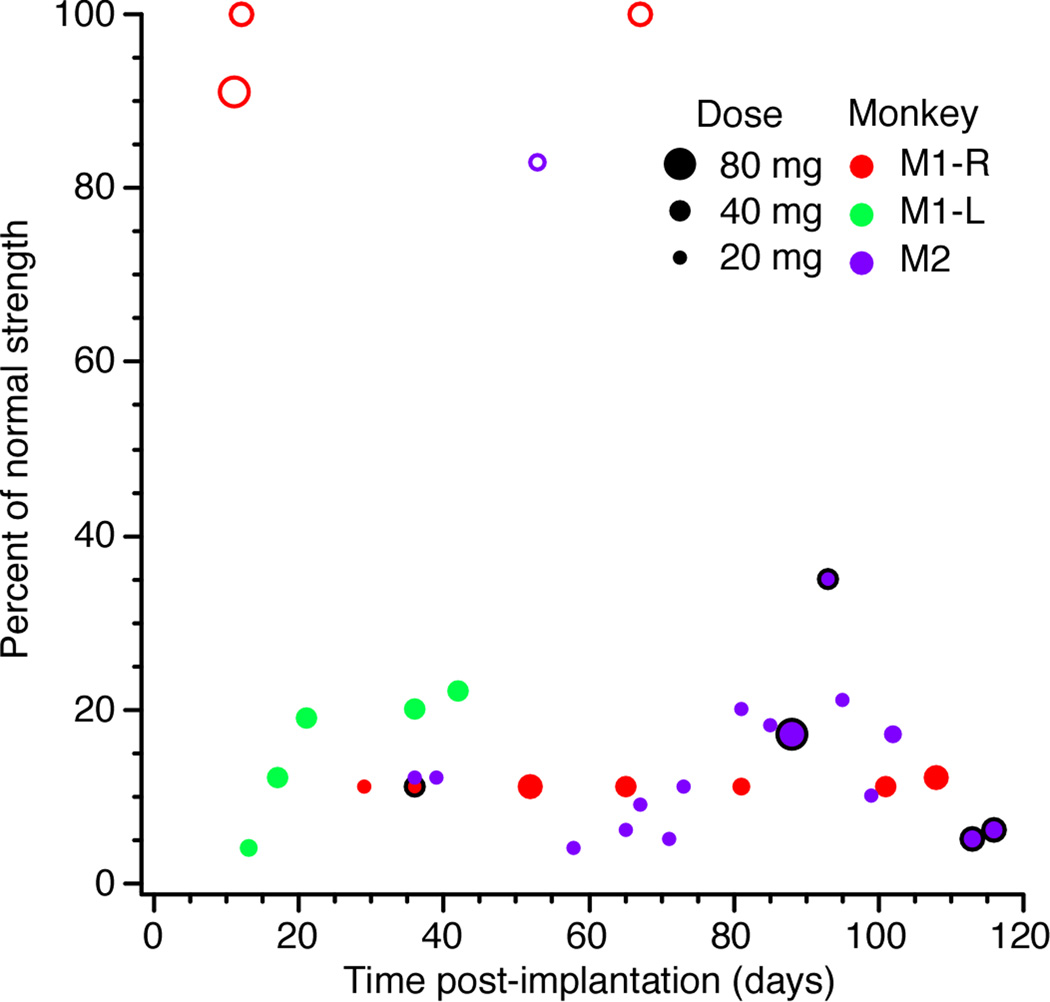
Inhibiting peripheral nerve function can be useful for many studies of the nervous system or motor control. Accomplishing this in a temporary fashion in animal models by using peripheral nerve blocks permits studies of the immediate effects of the loss, and/or any resulting short-term changes and adaptations in behavior or motor control, while avoiding the complications commonly associated with permanent lesions, such as sores or self-mutilation. We have developed a method of quickly and repeatedly inducing temporary, controlled motor deficits in rhesus macaque monkeys via a chronically implanted drug delivery system. This assembly consists of a nerve cuff and a subdermal injection dome, and has proved effective for delivering local anesthetics directly to peripheral nerves for many months. Using this assembly for median and ulnar nerve blocks routinely resulted in over 80% losses in hand and wrist strength for rhesus monkeys. The assembly was also effective for inducing ambulatory motor deficits in rabbits through blocks of the sciatic nerve. Interestingly, while standard anesthetics were sufficient for the rabbit nerve blocks, the inclusion of epinephrine was essential for achieving significant motor blockade in the monkeys.
Figures
References
-
- Altschul R, Turner KP. The Innervation of the musculi interossei and the toe spreading reflex. Am J Physiol. 1942;137:247–250.
-
- Andreasen LN, Struijk JJ. Skin contact forces extracted from human nerve signals--a possible feedback signal for FES-aided control of standing. IEEE transactions on bio-medical engineering. 2003;50:1320–1325. - PubMed
-
- Bedder MD, Kozody R, Craig DB. Comparison of bupivacaine and alkalinized bupivacaine in brachial plexus anesthesia. Anesth Analg. 1988;67:48–52. - PubMed
-
- Candido KD, Winnie AP, Covino BG, Raza SM, Vasireddy AR, Masters RW. Addition of bicarbonate to plain bupivacaine does not significantly alter the onset or duration of plexus anesthesia. Reg Anesth. 1995;20:133–138. - PubMed
-
- Capdevila X, Lopez S, Bernard N, Dadure C, Motais F, Biboulet P, Choquet O. Percutaneous electrode guidance using the insulated needle for prelocation of peripheral nerves during axillary plexus blocks. Reg Anesth Pain Med. 2004;29:206–211. - PubMed
MeSH terms
Substances
Grants and funding
LinkOut - more resources
Full Text Sources
