Dance as therapy for individuals with Parkinson disease
- PMID: 19532110
- PMCID: PMC2780534
Dance as therapy for individuals with Parkinson disease
Abstract
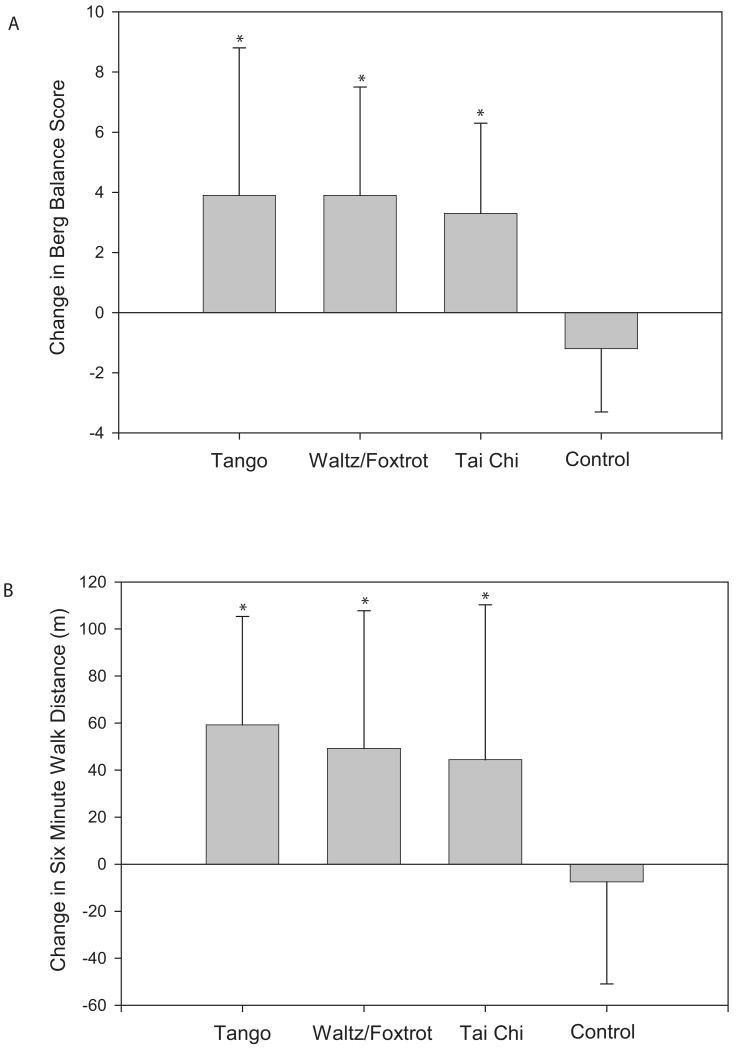
Parkinson disease (PD) is a progressive, neurodegenerative movement disorder that is often accompanied by impaired balance and walking and reduced quality of life (QoL). Recent studies indicate that dance may be an effective alternative to traditional exercise for addressing these areas of concern to individuals with PD. This review summarizes the relatively scant literature on the benefits of dance for those with PD, discusses what is currently known with respect to appropriate dosing of dance interventions, and speculates upon potential mechanisms by which dance may convey benefits. There is a clear need for additional research using larger sample sizes to examine the potential long-term effects of dance for those with PD.
Figures
References
-
- Morris ME, Huxham F, McGinley J, Dodd K, Iansek R. The biomechanics and motor control of gait in Parkinson disease. Clin Biomech. 2001;16(6):459–70. - PubMed
-
- Pickering RM, Grimbergen YA, Rigney U, Ashburn A, Mazibrada G, Wood B, Gray P, Kerr G, Bloem BR. A meta-analysis of six prospective studies of falling in Parkinson's disease. Mov Disord. 2007;22(13):1892–900. - PubMed
-
- Horak FB, Dimitrova D, Nutt JG. Direction specific postural instability in subjects with Parkinson's disease. Exp Neurol. 2005;198(2):504–21. - PubMed
-
- Bloem BR, Hausdorff JM, Visser JE, Giladi N. Falls and freezing of gait in Parkinson's disease: a review of two interconnected, episodic phenomena. Movement Disorders. 2004;19(8):871–84. - PubMed
Publication types
MeSH terms
Grants and funding
LinkOut - more resources
Full Text Sources
Medical
Miscellaneous