


Elucidating the role of reversible protein phosphorylation in sepsis-induced myocardial dysfunction
- PMID: 19533850
- PMCID: PMC2891850
- DOI: 10.1097/shk.0b013e3181991926
Elucidating the role of reversible protein phosphorylation in sepsis-induced myocardial dysfunction
Abstract
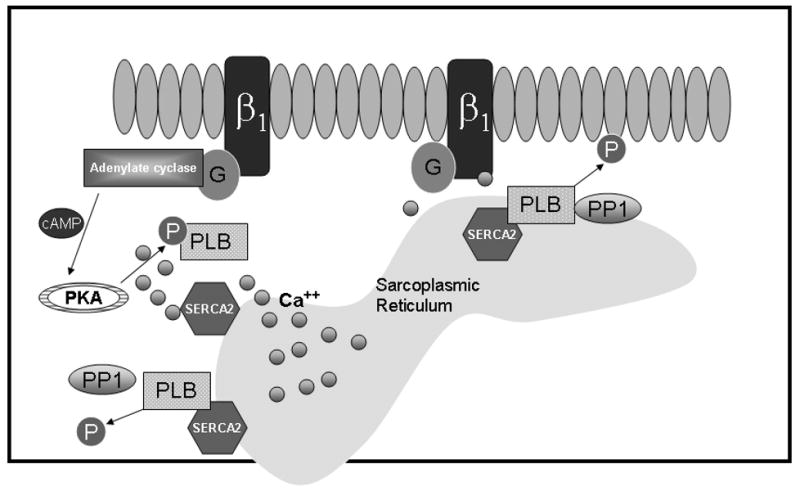
Mortality in children with sepsis is most often related to diminished cardiac output with cardiovascular collapse, resulting in impaired oxygen delivery and, ultimately, end-organ failure. Although cardiovascular "collapse" is commonly observed in individuals with septic shock, the hemodynamic causes of this differ greatly. In children, intrinsic myocardial dysfunction is most commonly present, whereas the systemic vascular resistance is typically high. This pattern is distinct from adults with sepsis where the principal hemodynamic profile shows elevated cardiac output, but substantially reduced systemic vascular resistance. Various studies support the concept that myocardial dysfunction, as occurs in pediatric septic patients, is due to intrinsic abnormalities in cardiomyocyte function and is not related to hypoperfusion as a result of low systemic vascular resistance. Importantly, when examined more closely, data from adults with septic shock also reveal that intrinsic myocardial dysfunction may play a larger role than previously appreciated. As a result, cardiovascular support, especially in pediatric sepsis, requires a treatment strategy directed at the underlying mechanism(s) responsible for this dysfunction. Thus, it is imperative to gain a better understanding of the myocardial derangements that occur during sepsis to identify targets that will ultimately influence the management of children with septic shock and favorably alter the associated mortality. We hypothesize that key signaling pathways that control myocardial calcium flux, regulated to key kinases and phosphatases, influence myocyte contractility in sepsis. Thus, we review the data relevant to the sepsis-induced intracellular alterations in calcium flux in the cardiomyocyte, with an emphasis on changes in the phosphorylation state of the contractile proteins regulated by the balance between kinases and phosphatases. We believe that therapies modulating the activity of these key proteins may provide an improvement in calcium handling and myocardial contractility and alter the clinical outcomes in sepsis.
Figures


References
-
- DuPont HL, Spink WW. Infections due to gram-negative organisms: an analysis of 860 patients with bacteremia at the University of Minnesota Medical Center, 1958-1966. Medicine (Baltimore) 1969;48:307–32. - PubMed
-
- Carcillo JA, Fields AI. Clinical practice parameters for hemodynamic support of pediatric and neonatal patients in septic shock. J Pediatr (Rio J) 2002;78:449–66. - PubMed
-
- Watson RS, Carcillo JA, Linde-Zwirble WT, Clermont G, Lidicker J, Angus DC. The epidemiology of severe sepsis in children in the United States. Am J Respir Crit Care Med. 2003;167:695–701. - PubMed
-
- Parker MM, Shelhamer JH, Natanson C, Alling DW, Parrillo JE. Serial cardiovascular variables in survivors and nonsurvivors of human septic shock: heart rate as an early predictor of prognosis. Crit Care Med. 1987;15:923–9. - PubMed
-
- Pollack MM, Fields AI, Ruttimann UE. Sequential cardiopulmonary variables of infants and children in septic shock. Crit Care Med. 1984;12:554–9. - PubMed
Publication types
MeSH terms
Substances
Grants and funding
LinkOut - more resources
Full Text Sources
Medical
Research Materials
