


Evaluation of the Wound Healing Potential of Achillea biebersteinii Afan. (Asteraceae) by In Vivo Excision and Incision Models
- PMID: 19546149
- PMCID: PMC3136533
- DOI: 10.1093/ecam/nep039
Evaluation of the Wound Healing Potential of Achillea biebersteinii Afan. (Asteraceae) by In Vivo Excision and Incision Models
Abstract
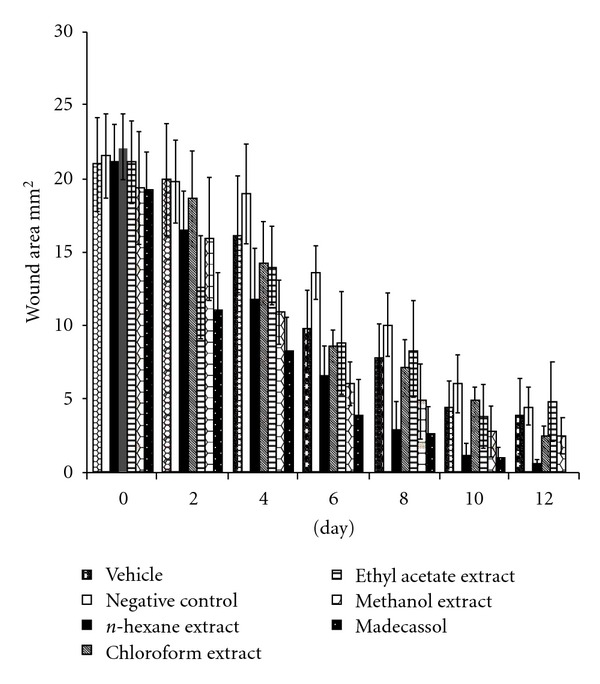
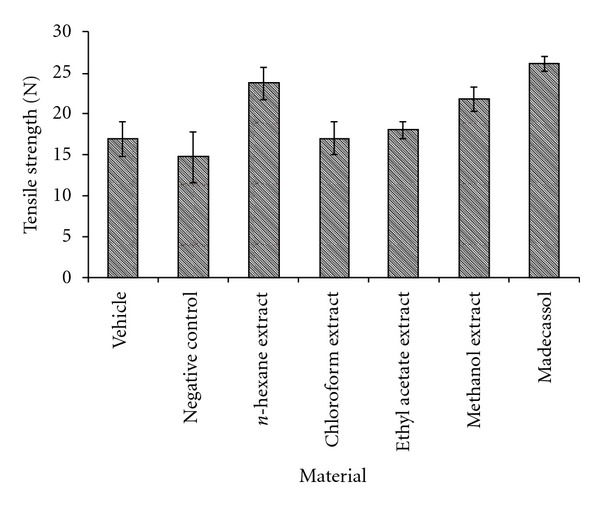
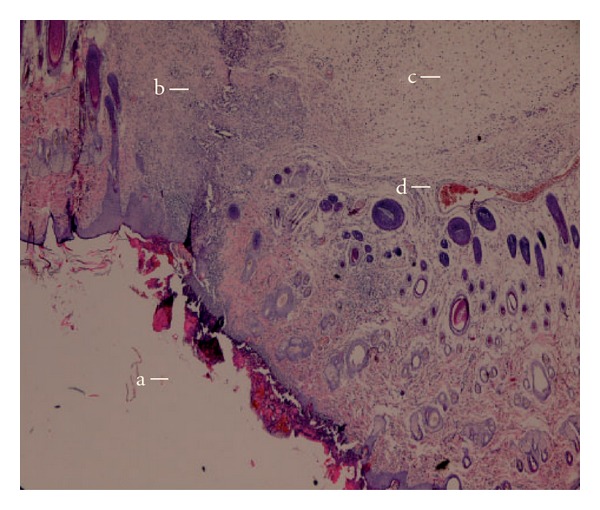
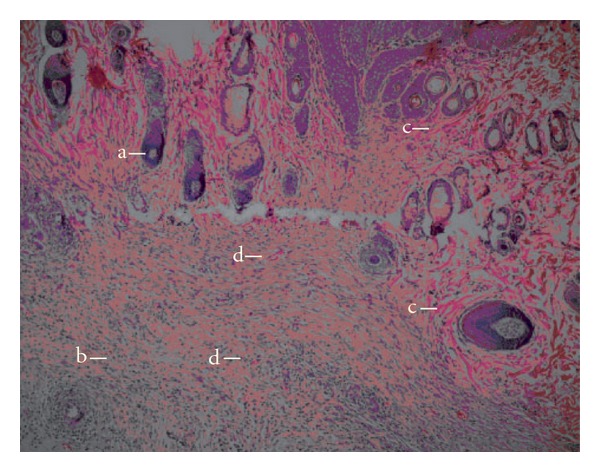
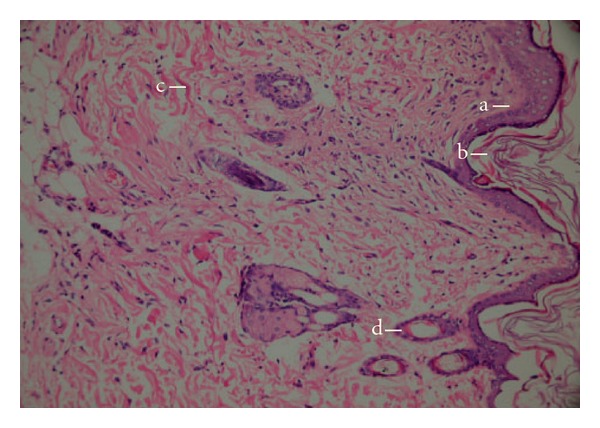
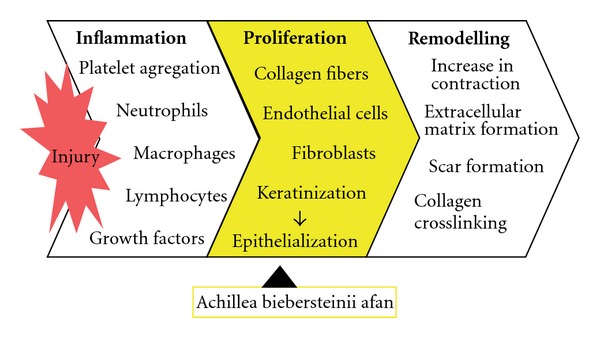
Achillea species are widely used for diarrhea, abdominal pain, stomachache and healing of wounds in folk medicine. To evaluate the wound healing activity of the plant, extracts were prepared with different solvents; hexane, chloroform, ethyl acetate and methanol, respectively from the roots of Achillea biebersteinii. Linear incision by using tensiometer and circular excision wound models were employed on mice and rats. The wound healing effect was comparatively evaluated with the standard skin ointment Madecassol. The n-hexane extract treated groups of animals showed 84.2% contraction, which was close to contraction value of the reference drug Madecassol (100%). On the other hand the same extract on incision wound model demonstrated a significant increase (40.1%) in wound tensile strength as compared to other groups. The results of histoptological examination supported the outcome of linear incision and circular excision wound models as well. The experimental data demonstrated that A. biebersteinii displayed remarkable wound healing activity.
Figures
References
-
- Cheers G. Botanica. Köln, Germany: Könemann; 1999.
-
- Duman H, Achillea L. In: Flora of Turkey and the East Aegean Islands. Guner A, Ozhatay N, Ekim T, Baser KHC, editors. Vol. 11. Edinburgh, UK: Edinburgh University Press; 2000. pp. 158–159.
-
- Senatore F, Napolitano F, Arnold NA, Bruno M, Herz W. Composition and antimicrobial activity of the essential oil of Achillea falcata L. (Asteraceae) Flavour and Fragrance Journal. 2005;20(3):291–294.
-
- Baytop T. Therapy with Medicinal Plants in Turkey, Past and Present. 2nd edition. Istanbul, Turkey: Nobel Tıp Kitapevi; 1999.
-
- Yeşilada E, Honda G, Sezik E, Tabata M, Goto K, Ikeshiro Y. Traditional medicine in turkey IV. Folk medicine in the Mediterranean subdivision. Journal of Ethnopharmacology. 1993;39(1):31–38. - PubMed
LinkOut - more resources
Full Text Sources
