


Bipolar disorder and mechanisms of action of mood stabilizers
- PMID: 19555719
- PMCID: PMC2757443
- DOI: 10.1016/j.brainresrev.2009.06.003
Bipolar disorder and mechanisms of action of mood stabilizers
Abstract
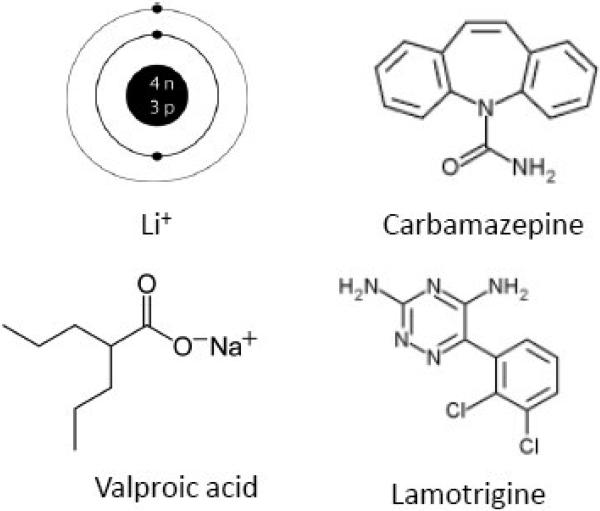
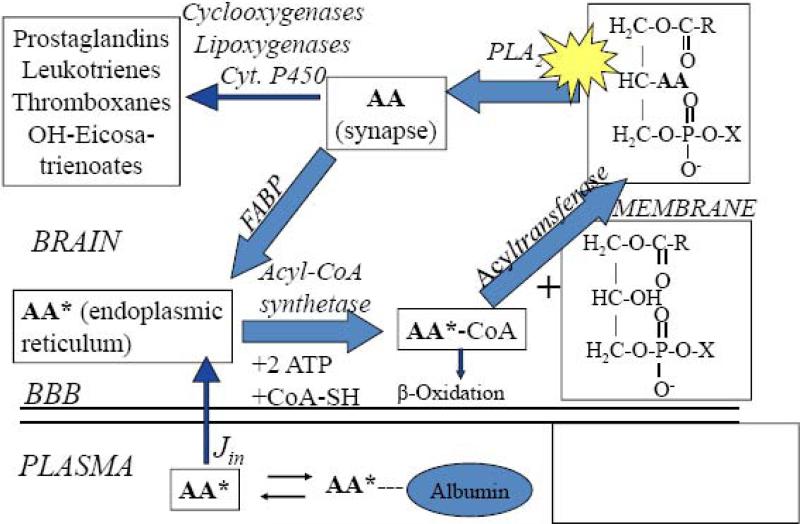
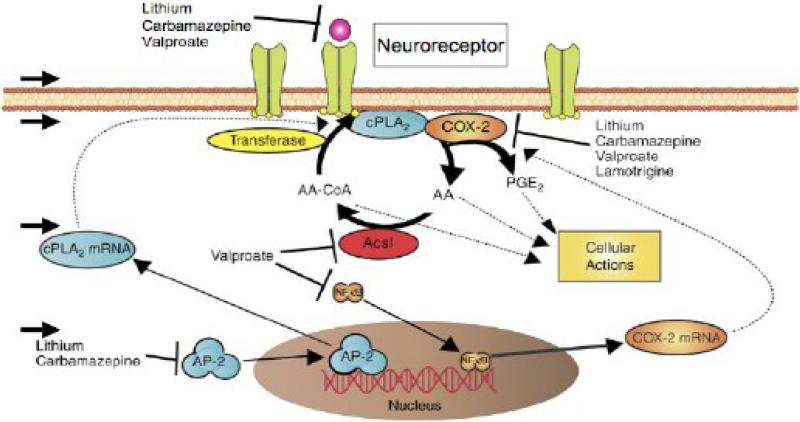
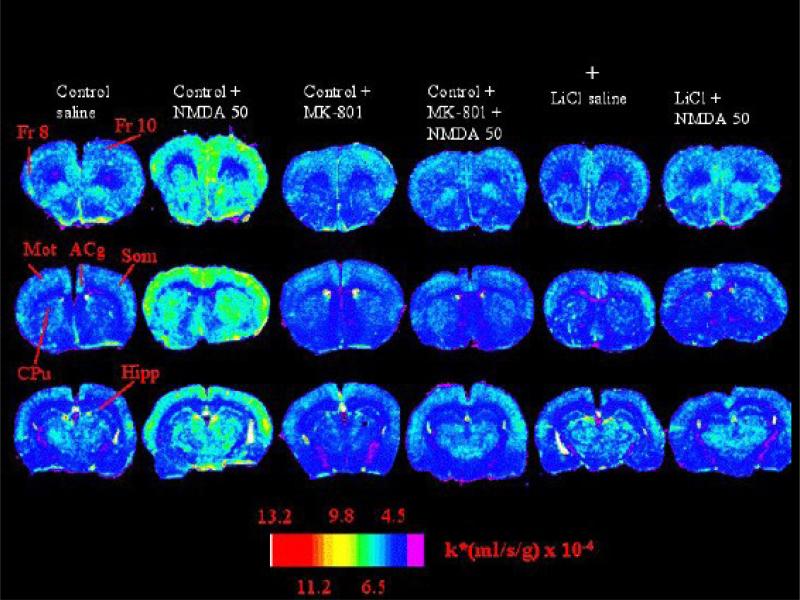
Bipolar disorder (BD) is a major medical and social burden, whose cause, pathophysiology and treatment are not agreed on. It is characterized by recurrent periods of mania and depression (Bipolar I) or of hypomania and depression (Bipolar II). Its inheritance is polygenic, with evidence of a neurotransmission imbalance and disease progression. Patients often take multiple agents concurrently, with incomplete therapeutic success, particularly with regard to depression. Suicide is common. Of the hypotheses regarding the action of mood stabilizers in BD, the "arachidonic acid (AA) cascade" hypothesis is presented in detail in this review. It is based on evidence that chronic administration of lithium, carbamazepine, sodium valproate, or lamotrigine to rats downregulated AA turnover in brain phospholipids, formation of prostaglandin E(2), and/or expression of AA cascade enzymes, including cytosolic phospholipase A(2), cyclooxygenase-2 and/or acyl-CoA synthetase. The changes were selective for AA, since brain docosahexaenoic or palmitic acid metabolism, when measured, was unaffected, and topiramate, ineffective in BD, did not modify the rat brain AA cascade. Downregulation of the cascade by the mood stabilizers corresponded to inhibition of AA neurotransmission via dopaminergic D(2)-like and glutamatergic NMDA receptors. Unlike the mood stabilizers, antidepressants that increase switching of bipolar depression to mania upregulated the rat brain AA cascade. These observations suggest that the brain AA cascade is a common target of mood stabilizers, and that bipolar symptoms, particularly mania, are associated with an upregulated cascade and excess AA signaling via D(2)-like and NMDA receptors. This review presents ways to test these suggestions.
Figures
References
-
- Akiskal HS, Maser JD, Zeller PJ, Endicott J, Coryell W, Keller M, Warshaw M, Clayton P, Goodwin F. Switching from ‘unipolar’ to bipolar II. An 11-year prospective study of clinical and temperamental predictors in 559 patients. Arch Gen Psychiatry. 1995;52:114–23. - PubMed
-
- Atack JR. Inositol monophosphatase, the putative therapeutic target for lithium. Brain Res Brain Res Rev. 1996;22:183–90. - PubMed
-
- Attwell D, Laughlin SB. An energy budget for signaling in the grey matter of the brain. J Cereb Blood Flow Metab. 2001;21:1133–45. - PubMed
-
- Axelrod J. Receptor-mediated activation of phospholipase A2 and arachidonic acid release in signal transduction. Biochem Soc Trans. 1990;18:503–7. - PubMed
Publication types
MeSH terms
Substances
Grants and funding
LinkOut - more resources
Full Text Sources
Other Literature Sources
Medical
Research Materials
