


Insights into the substrate specificity, inhibitors, regulation, and polymorphisms and the clinical impact of human cytochrome P450 1A2
- PMID: 19590965
- PMCID: PMC2758120
- DOI: 10.1208/s12248-009-9127-y
Insights into the substrate specificity, inhibitors, regulation, and polymorphisms and the clinical impact of human cytochrome P450 1A2
Abstract
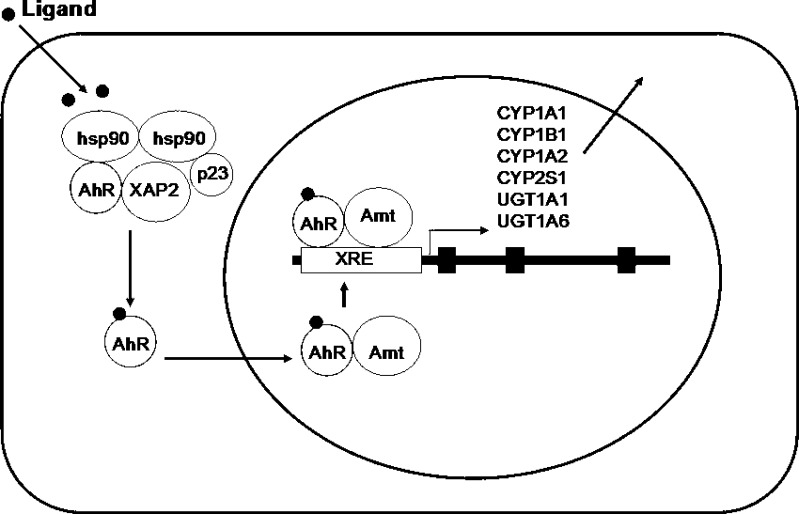
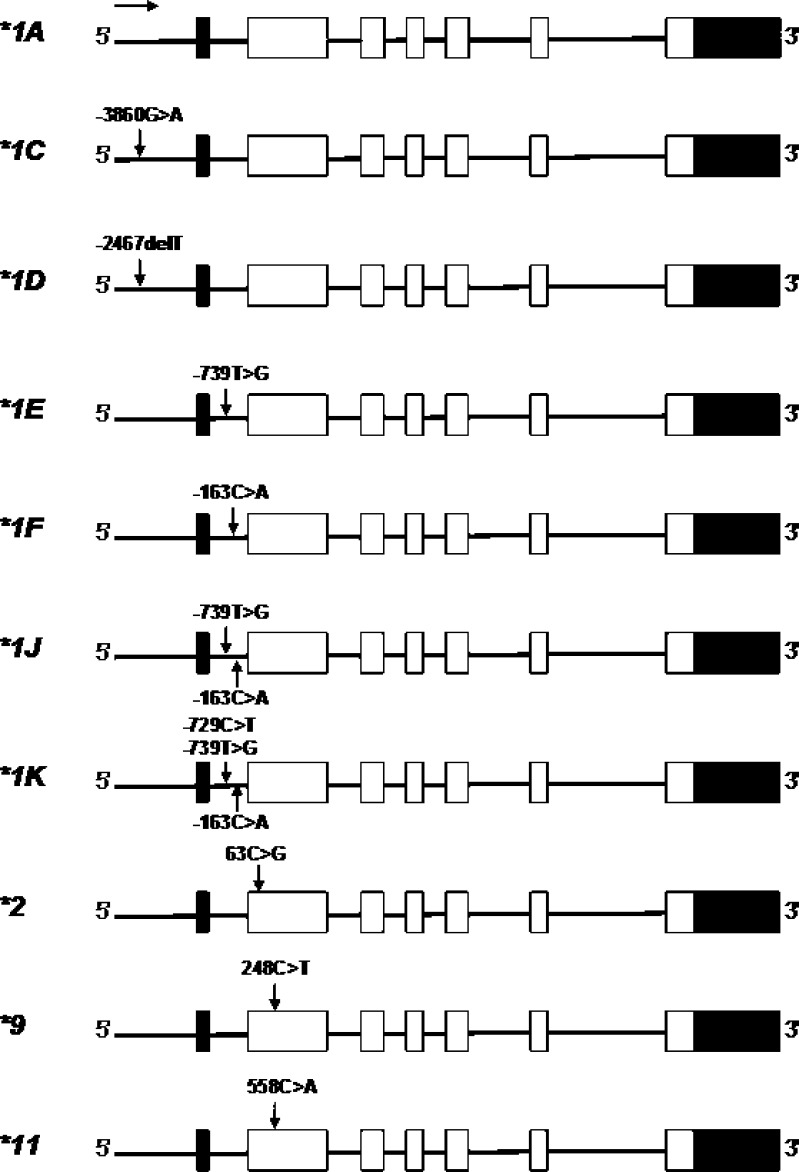
Human CYP1A2 is one of the major CYPs in human liver and metabolizes a variety of clinically important drugs (e.g., clozapine, tacrine, tizanidine, and theophylline), a number of procarcinogens (e.g. benzo[a]pyrene and aflatoxin B(1)), and several important endogenous compounds (e.g. steroids and arachidonic acids). Like many of other CYPs, CYP1A2 is subject to induction and inhibition by a number of compounds, which may provide an explanation for some drug interactions observed in clinical practice. A large interindividual variability in the expression and activity of CYP1A2 and elimination of drugs that are mainly metabolized by CYP1A2 has been observed, which is largely caused by genetic (e.g., SNPs) and epigenetic (e.g., DNA methylation) and environmental factors (e.g., smoking and comedication). CYP1A2 is primarily regulated by the aromatic hydrocarbon receptor (AhR) and CYP1A2 is induced through AhR-mediated transactivation following ligand binding and nuclear translocation. To date, more than 15 variant alleles and a series of subvariants of the CYP1A2 gene have been identified and some of they have been associated with altered drug clearance and response to drug therapy. For example, lack of response to clozapine therapy due to low plasma drug levels has been reported in smokers harboring the -163A/A genotype; there is an association between CYP1A2*1F (-163C>A) allele and the risk for leflunomide-induced host toxicity. The *1F allele is associated with increased enzyme inducibility whereas *1C causes reduced inducibility. Further studies are warranted to explore the clinical and toxicological significance of altered CYP1A2 expression and activity caused by genetic, epigenetic, and environmental factors.
Figures
References
-
- Jaiswal AK, Nebert DW, McBride OW, Gonzalez FJ. Human P(3)450: cDNA and complete protein sequence, repetitive Alu sequences in the 3′ nontranslated region, and localization of gene to chromosome 15. J Exp Pathol. 1987;3:1–17. - PubMed
-
- Shimada T, Yamazaki H, Mimura M, Inui Y, Guengerich FP. Interindividual variations in human liver cytochrome P450 enzymes involved in the oxidation of drugs, carcinogens and toxic chemicals. J Pharmacol Exp Ther. 1994;270:414–423. - PubMed
Publication types
MeSH terms
Substances
LinkOut - more resources
Full Text Sources
Molecular Biology Databases
