


The potential protective effects of taurine on coronary heart disease
- PMID: 19592001
- PMCID: PMC2813349
- DOI: 10.1016/j.atherosclerosis.2009.06.002
The potential protective effects of taurine on coronary heart disease
Abstract
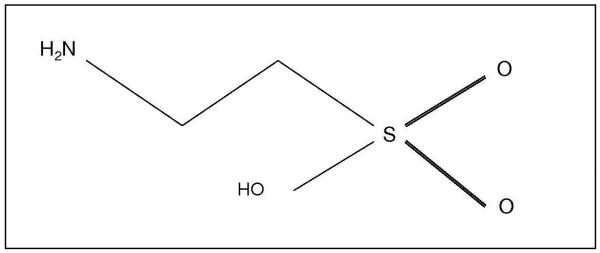
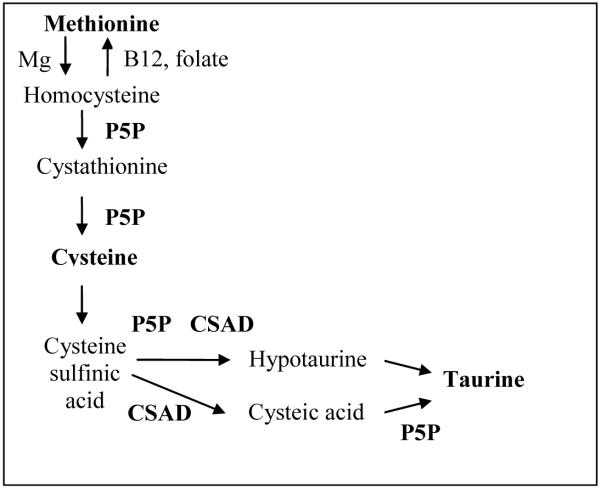
In humans, taurine (2-aminoethanesulfonic acid) is mainly obtained from diet. Despite the fact that the health effects of taurine are largely unknown, taurine has become a popular supplement and ingredient in energy drinks in recent years. Evidence from mechanistic and animal studies has shown that the main biological actions of taurine include its ability to conjugate bile acids, regulate blood pressure (BP), and act as a potent antioxidant and anti-inflammatory agent. These actions suggest that high levels of taurine may be protective against coronary heart disease (CHD). However, data from epidemiologic and intervention studies in humans are limited. We review what is known about taurine's metabolism, its transportation in the body, its food sources, and evidence of its effect on cardiovascular health from in vitro, animal, and epidemiologic studies. We also discuss shortcomings of the human studies that need to be addressed in the future. The identification of taurine as a preventive factor for CHD may be of great public health importance.
Copyright (c) 2009 Elsevier Ireland Ltd. All rights reserved.
Figures
References
-
- AHA . Heart disease and stroke statistics - 2008 update at a glance. American Heart Association; Dallas, Texas: 2008. pp. 1–43.
-
- Birdsall TC. Therapeutic applications of taurine. Alt Med Rev. 1998;3:128–36. - PubMed
-
- Huxtable RJ. Expanding the circle 1975-1999: Sulfur biochemistry and insights on the biological functions of taurine. Advances in experimental medicine and biology. 2000;483:1–25. - PubMed
-
- Schuller-Levis G, Park E. Is taurine a biomarker? Adv Clin Chem. 2006;41:1–21. - PubMed
-
- O’Flaherty L, Stapleton PP, Redmond HP, Bouchier-Hayes DJ. Intestinal taurine transport: a review. Eur J Clin Invest. 1997;27:873–80. - PubMed
Publication types
MeSH terms
Substances
Grants and funding
LinkOut - more resources
Full Text Sources
Other Literature Sources
