


Traditional Medicinal Plant Extracts and Natural Products with Activity against Oral Bacteria: Potential Application in the Prevention and Treatment of Oral Diseases
- PMID: 19596745
- PMCID: PMC3145422
- DOI: 10.1093/ecam/nep067
Traditional Medicinal Plant Extracts and Natural Products with Activity against Oral Bacteria: Potential Application in the Prevention and Treatment of Oral Diseases
Abstract
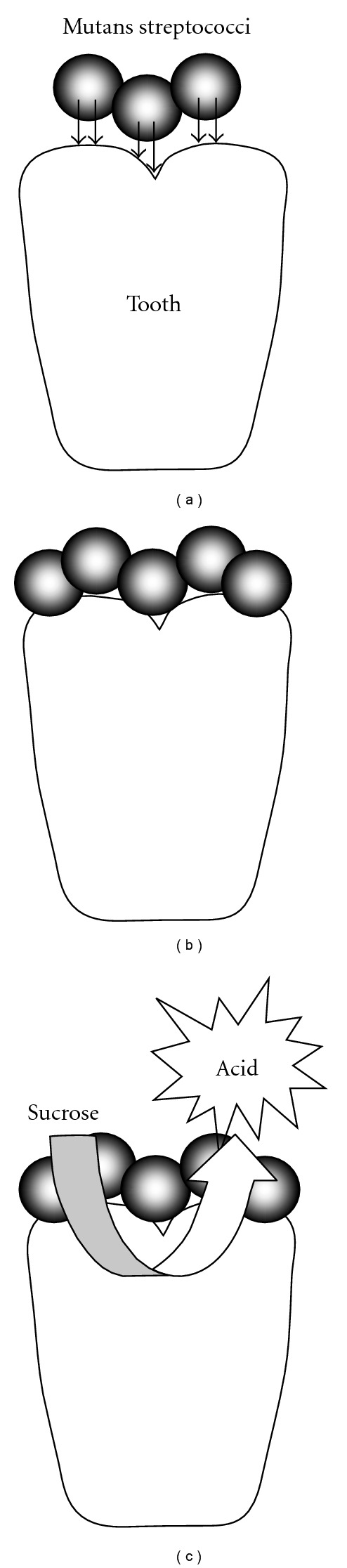
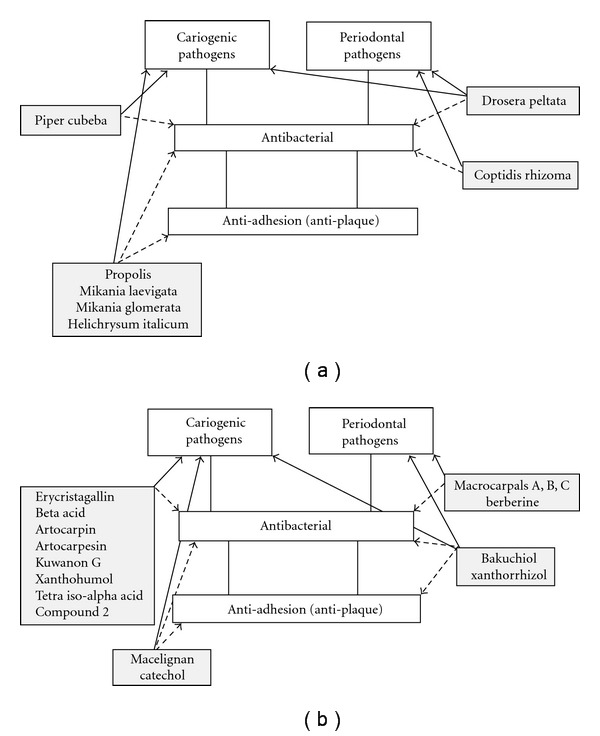
Oral diseases are major health problems with dental caries and periodontal diseases among the most important preventable global infectious diseases. Oral health influences the general quality of life and poor oral health is linked to chronic conditions and systemic diseases. The association between oral diseases and the oral microbiota is well established. Of the more than 750 species of bacteria that inhabit the oral cavity, a number are implicated in oral diseases. The development of dental caries involves acidogenic and aciduric Gram-positive bacteria (mutans streptococci, lactobacilli and actinomycetes). Periodontal diseases have been linked to anaerobic Gram-negative bacteria (Porphyromonas gingivalis, Actinobacillus, Prevotella and Fusobacterium). Given the incidence of oral disease, increased resistance by bacteria to antibiotics, adverse affects of some antibacterial agents currently used in dentistry and financial considerations in developing countries, there is a need for alternative prevention and treatment options that are safe, effective and economical. While several agents are commercially available, these chemicals can alter oral microbiota and have undesirable side-effects such as vomiting, diarrhea and tooth staining. Hence, the search for alternative products continues and natural phytochemicals isolated from plants used as traditional medicines are considered as good alternatives. In this review, plant extracts or phytochemicals that inhibit the growth of oral pathogens, reduce the development of biofilms and dental plaque, influence the adhesion of bacteria to surfaces and reduce the symptoms of oral diseases will be discussed further. Clinical studies that have investigated the safety and efficacy of such plant-derived medicines will also be described.
Figures
References
-
- Petersen PE. The World Oral Health Report 2003: continuous improvement of oral health in the 21st century—the approach of the WHO Global Oral Health Programme. Community Dentistry and Oral Epidemiology. 2003;31:3–24. - PubMed
-
- Rautemaa R, Lauhio A, Cullinan MP, Seymour GJ. Oral infections and systemic disease—an emerging problem in medicine. Clinical Microbiology and Infection. 2007;13(11):1041–1047. - PubMed
-
- Yeo BK, Lim LP, Paquette DW, Williams RC. Periodontal disease—the emergence of a risk for systemic conditions: pre-term low birth weight. Annals of the Academy of Medicine Singapore. 2005;34(1):111–116. - PubMed
LinkOut - more resources
Full Text Sources
Other Literature Sources
