


Bindin from a sea star
- PMID: 19601971
- PMCID: PMC2763509
- DOI: 10.1111/j.1525-142X.2009.00344.x
Bindin from a sea star
Abstract
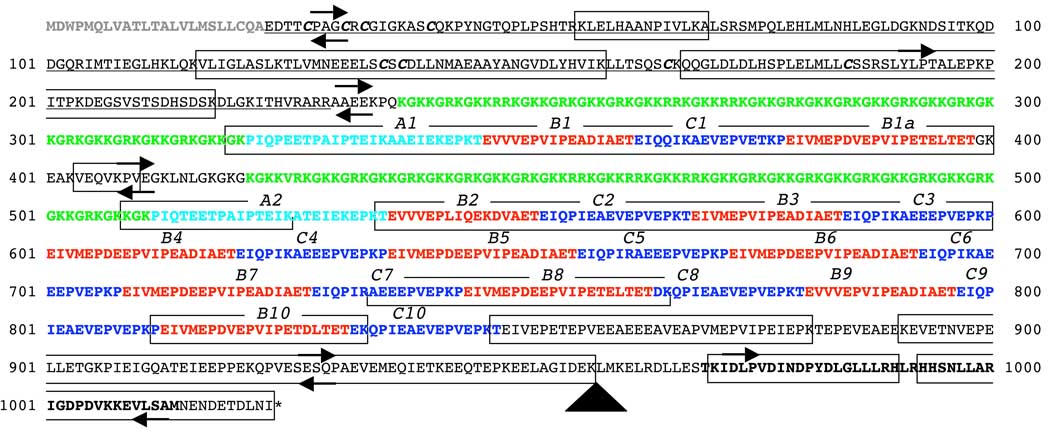
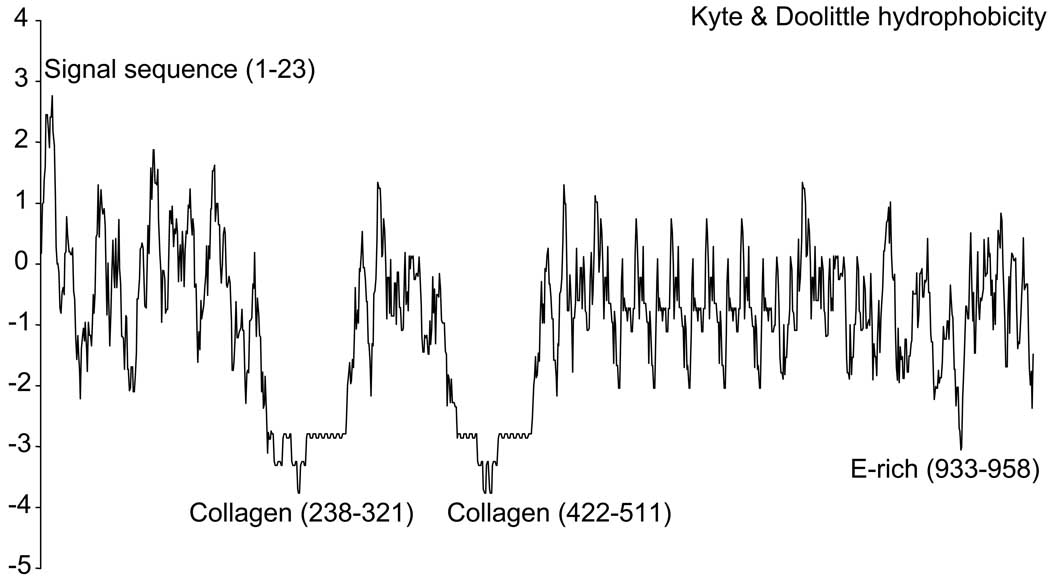
The genetic basis for the evolution of development includes genes that encode proteins expressed on the surfaces of sperm and eggs. Previous studies of the sperm acrosomal protein bindin have helped to characterize the adaptive evolution of gamete compatibility and speciation in sea urchins. The absence of evidence for bindin expression in taxa other than the Echinoidea has limited such studies to sea urchins, and led to the suggestion that bindin might be a sea urchin-specific molecule. Here we characterize the gene that encodes bindin in a broadcast-spawning asterinid sea star (Patiria miniata). We describe the sequence and domain structure of a full-length bindin cDNA and its single intron. In comparison with sea urchins, P. miniata bindin is larger but the two molecules share several general features of their domain structure and some sequence features of two domains. Our results extend the known evolutionary history of bindin from the Mesozoic (among the crown group sea urchins) into the early Paleozoic (and the common ancestor of eleutherozoans), and present new opportunities for understanding the role of bindin molecular evolution in sexual selection, life history evolution, and speciation among sea stars.
Figures
References
-
- Almeida FC, DeSalle R. Evidence of adaptive evolution of accessory gland proteins in closely related species of the Drosophila repleta group. Mol. Biol. Evol. 2008;25:2043–2053. - PubMed
-
- Bierman CH. The molecular evolution of sperm bindin in six species of sea urchins (Echinoida: Strongylocentrotidae) Mol. Biol. Evol. 1998;15:1761–1771. - PubMed
-
- Biermann CH, Marks JA, Vilela-Silva ACES, Castro MO, Castro PAS. Carbohydrate-based species recognition in sea urchin fertilization: another avenue for speciation? Evol. Dev. 2004;6:353–361. - PubMed
-
- Blair JE, Hedges SB. Molecular phylogeny and divergence times of deuterostome animals. Mol. Biol. Evol. 2005;22:2275–2284. - PubMed
Publication types
MeSH terms
Substances
Grants and funding
LinkOut - more resources
Full Text Sources
Miscellaneous
