


Measurement of extravascular lung water using the single indicator method in patients: research and potential clinical value
- PMID: 19617309
- PMCID: PMC2770794
- DOI: 10.1152/ajplung.00127.2009
Measurement of extravascular lung water using the single indicator method in patients: research and potential clinical value
Abstract
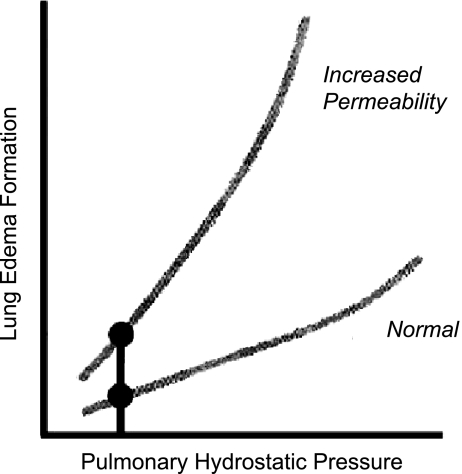
Extravascular lung water includes all of the fluid within the lung but outside of the vasculature. Lung water increases as a result of increased hydrostatic vascular pressure or from an increase in lung endothelial and epithelial permeability or both. Experimentally, extravascular lung water has been measured gravimetrically. Clinically, the chest radiograph is used to determine whether extravascular lung water is present but is an insensitive instrument for determining the quantity of lung water. Bedside measurement of extravascular lung water in patients is now possible using a single indicator thermodilution method. This review critically evaluates the experimental and clinical evidence supporting the potential value of measuring extravascular lung water in patients using the single indicator method.
Figures



References
-
- Baudendistel LJ, Kaminski DL, Dahms TE. Evaluation of extravascular lung water by single thermal indicator. Crit Care Med 14: 52–56, 1986 - PubMed
-
- Beckett RC, Gray BA. Effect of atelectasis and embolization on extravascular thermal volume of the lung. J Appl Physiol 53: 1614–1619, 1982 - PubMed
-
- Bernard GR, Artigas A, Brigham KL, Carlet J, Falke K, Hudson L, Lamy M, Legall JR, Morris A, Spragg R. The American-European Consensus Conference on ARDS. Definitions, mechanisms, relevant outcomes, and clinical trial coordination. Am J Respir Crit Care Med 149: 818–824, 1994 - PubMed
Publication types
MeSH terms
Grants and funding
LinkOut - more resources
Full Text Sources
