


Apolipoprotein modulation of streptococcal serum opacity factor activity against human plasma high-density lipoproteins
- PMID: 19618959
- PMCID: PMC3236702
- DOI: 10.1021/bi901087z
Apolipoprotein modulation of streptococcal serum opacity factor activity against human plasma high-density lipoproteins
Abstract
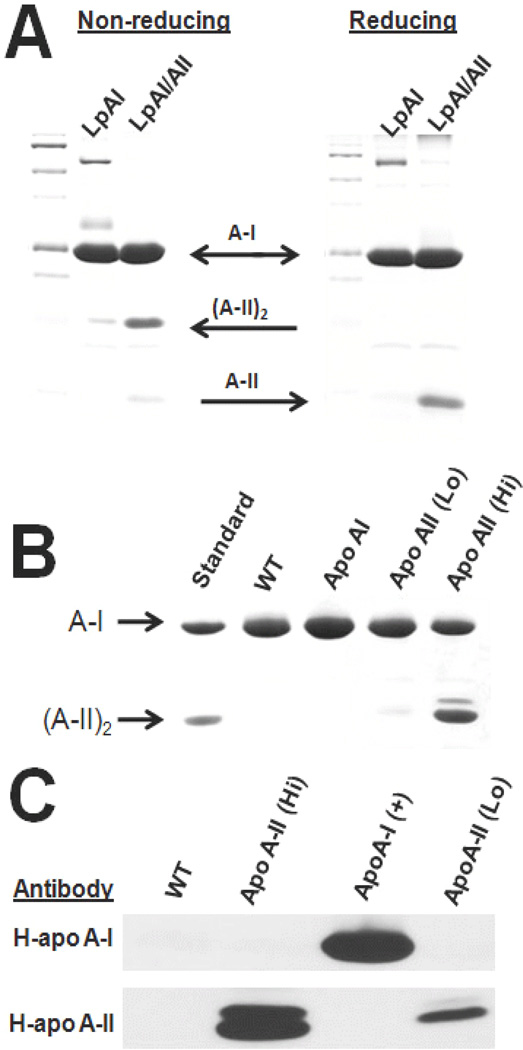
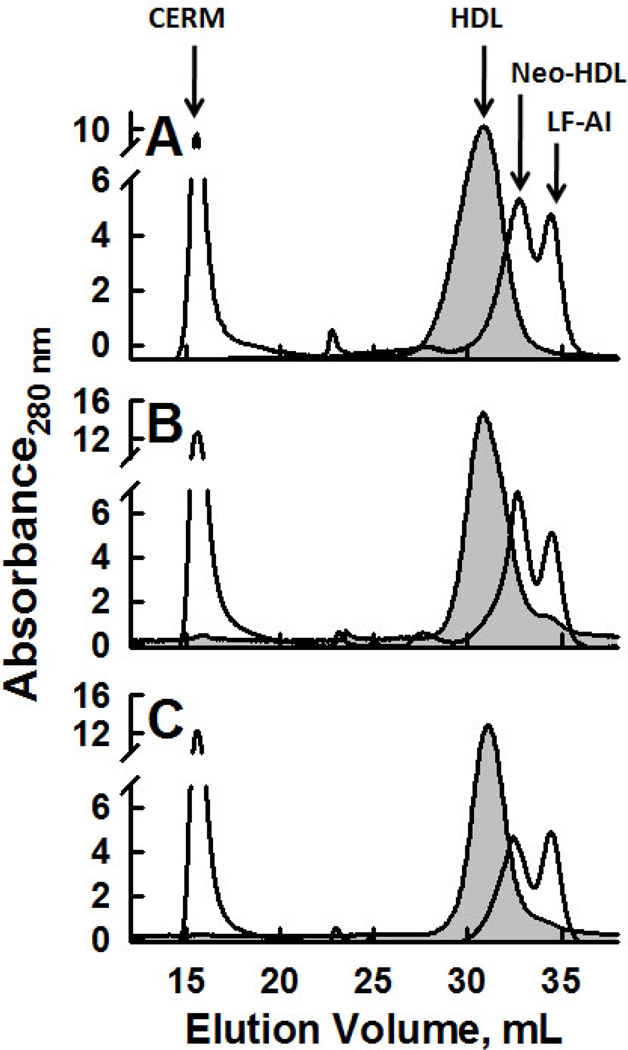
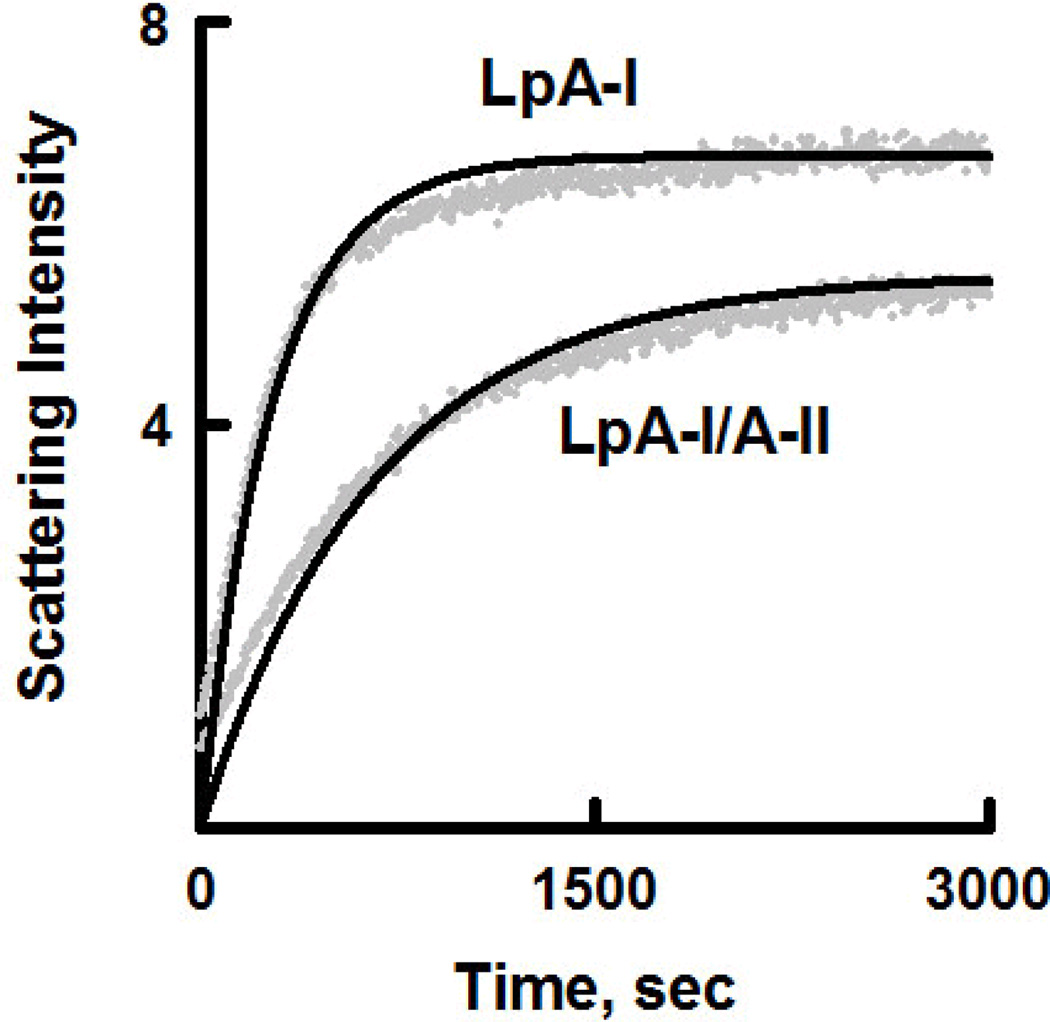
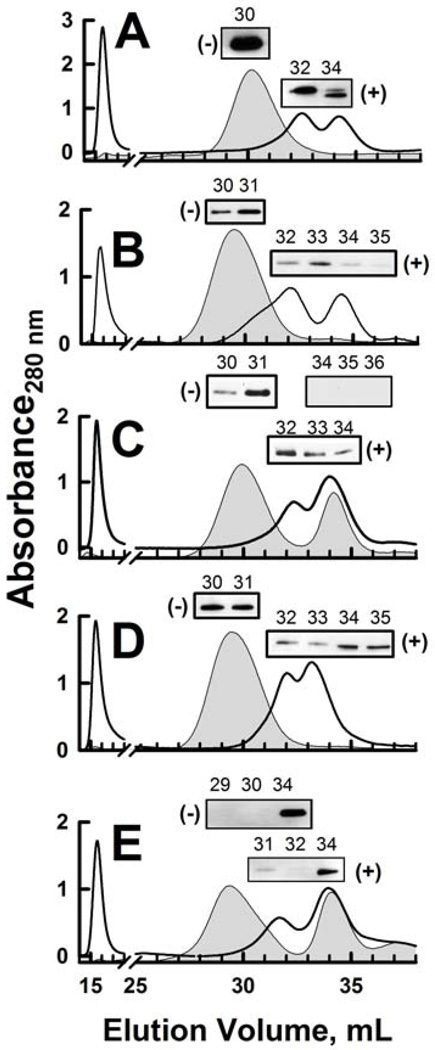
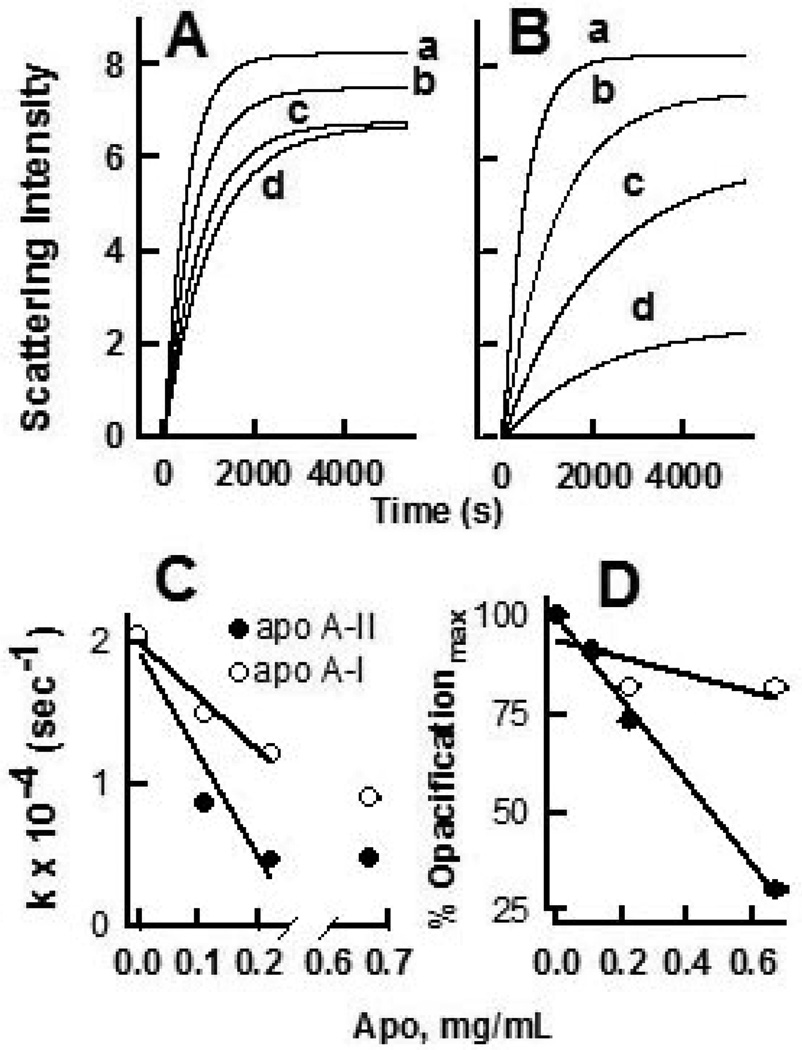
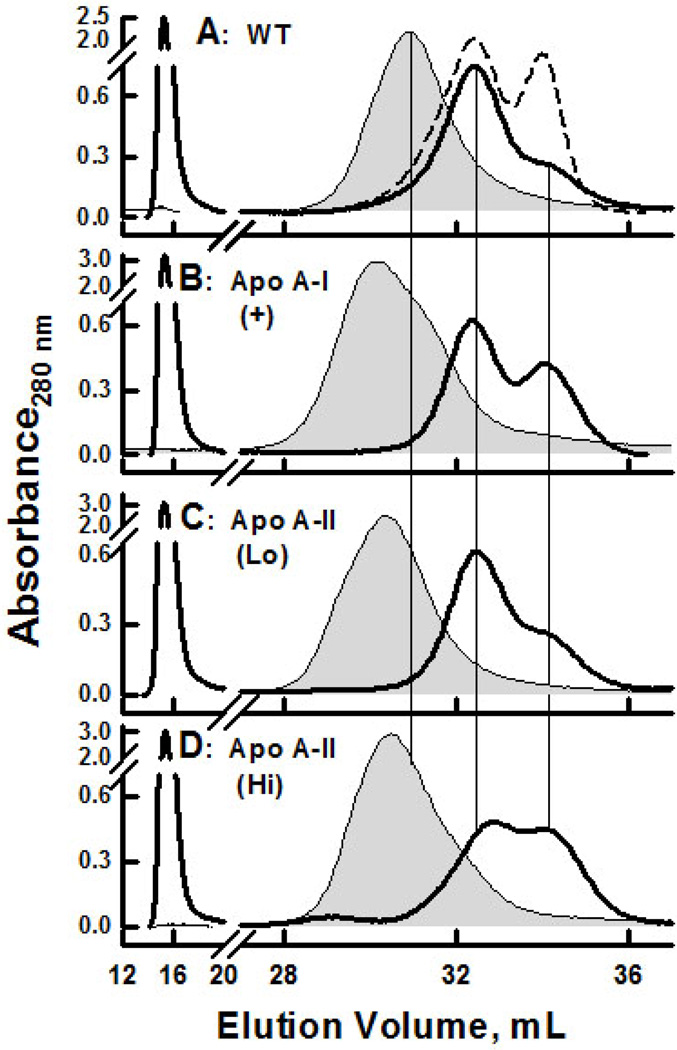
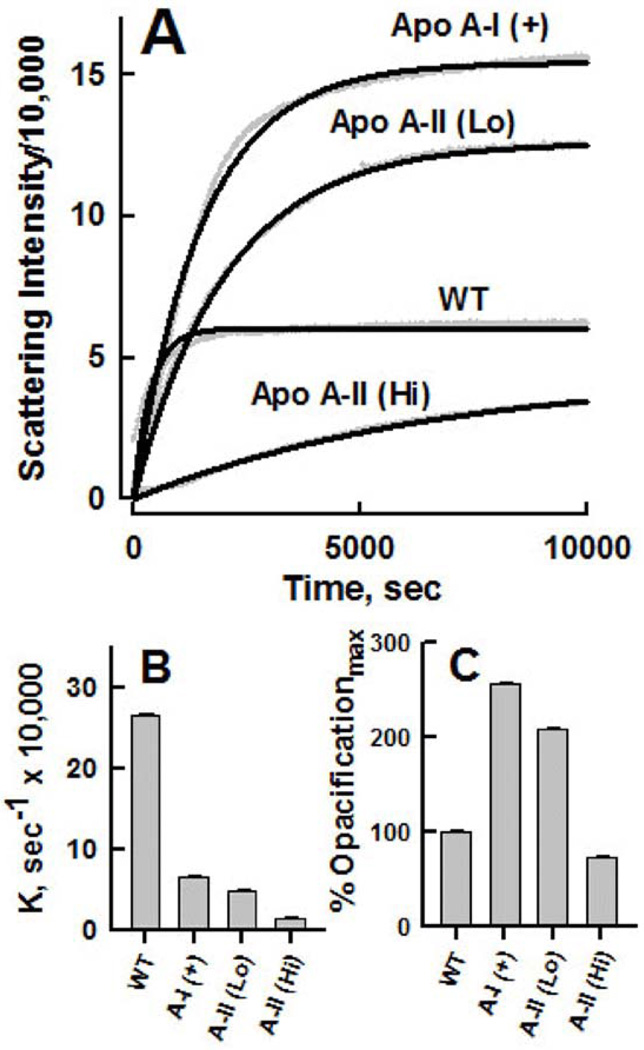
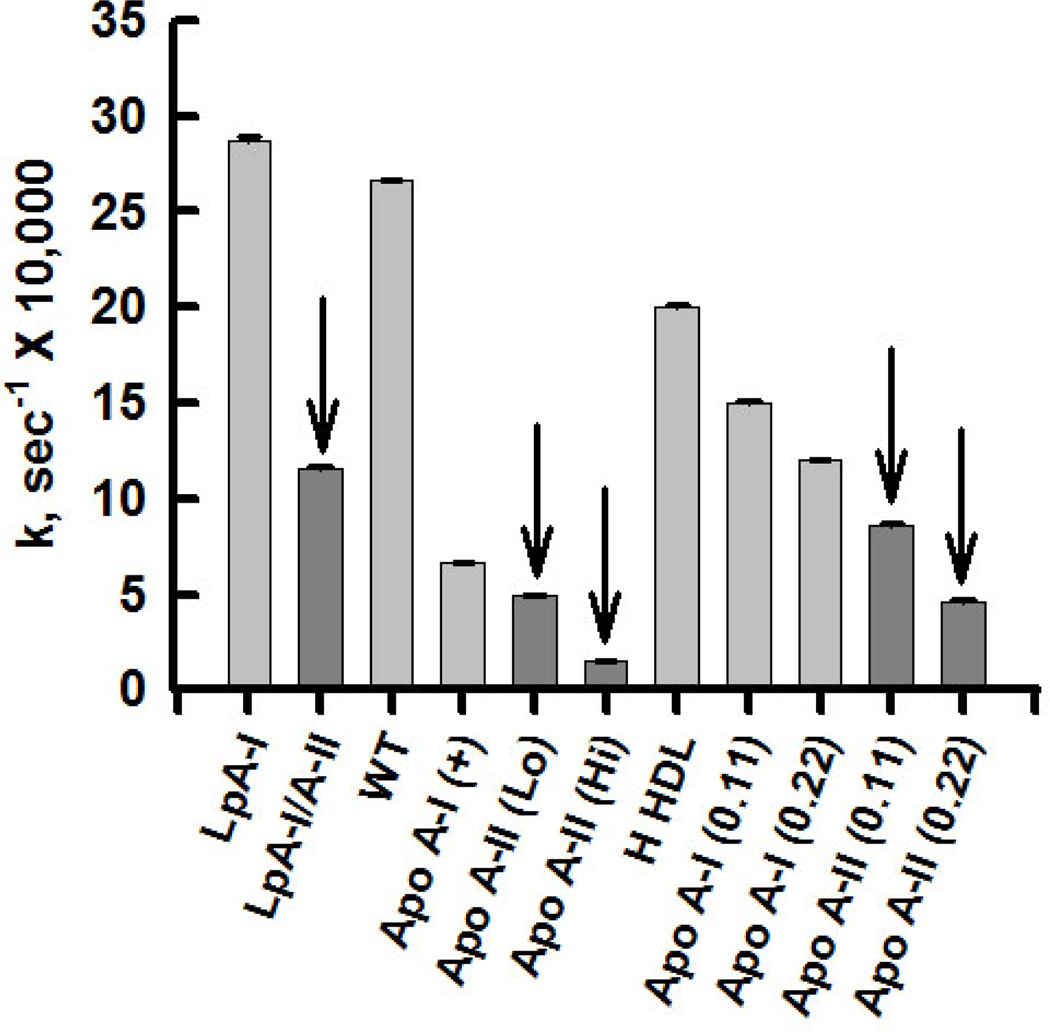
Human plasma HDL are the target of streptococcal serum opacity factor (SOF), a virulence factor that clouds human plasma. Recombinant (r) SOF transfers cholesteryl esters (CE) from approximately 400,000 HDL particles to a CE-rich microemulsion (CERM), forms a cholesterol-poor HDL-like particle (neo HDL), and releases lipid-free (LF) apo A-I. Whereas the rSOF reaction requires labile apo A-I, the modulation effects of other apos are not known. We compared the products and rates of the rSOF reaction against human HDL and HDL from mice overexpressing apos A-I and A-II. Kinetic studies showed that the reactivity of various HDL species is apo-specific. LpA-I reacts faster than LpA-I/A-II. Adding apos A-I and A-II inhibited the SOF reaction, an effect that was more profound for apo A-II. The rate of SOF-mediated CERM formation was slower against HDL from mice expressing human apos A-I and A-II than against WT mice HDL and slowest against HDL from apo A-II overexpressing mice. The lower reactivity of SOF against HDL containing human apos is due to the higher hydropathy of human apo A-I, particularly its C-terminus relative to mouse apo A-I, and the higher lipophilicity of human apo A-II. The SOF-catalyzed reaction is the first to target HDL rather than its transporters and receptors in a way that enhances reverse cholesterol transport (RCT). Thus, effects of apos on the SOF reaction are highly relevant. Our studies show that the "humanized" apo A-I-expressing mouse is a good animal model for studies of rSOF effects on RCT in vivo.
Figures
References
-
- Cuchel M, Rader DJ. Macrophage reverse cholesterol transport: key to the regression of atherosclerosis. Circulation. 2006;113:2548–2555. - PubMed
-
- Curtiss LK, Valenta DT, Hime NJ, Rye KA. What is so special about apolipoprotein AI in reverse cholesterol transport? Arterioscler Thromb Vasc Biol. 2006;26:12–19. - PubMed
-
- Havel RJ, Goldstein JL, Brown MS. Lipoproteins in Lipid Transport. 1980:398–494.
-
- Rader DJ, Castro G, Zech LA, Fruchart JC, Brewer HB., Jr In vivo metabolism of apolipoprotein A-I on high density lipoprotein particles LpA-I and LpA-I,A-II. J Lipid Res. 1991;32:1849–1859. - PubMed
-
- Huang Y, von Eckardstein A, Wu S, Assmann G. Cholesterol efflux, cholesterol esterification, and cholesteryl ester transfer by LpA-I and LpA-I/A-II in native plasma. Arterioscler Thromb Vasc Biol. 1995;15:1412–1418. - PubMed
Publication types
MeSH terms
Substances
Grants and funding
LinkOut - more resources
Full Text Sources
Miscellaneous
