


New concepts of neural regulation in human nasal mucosa
- PMID: 19623876
- PMCID: PMC4209304
New concepts of neural regulation in human nasal mucosa
Abstract
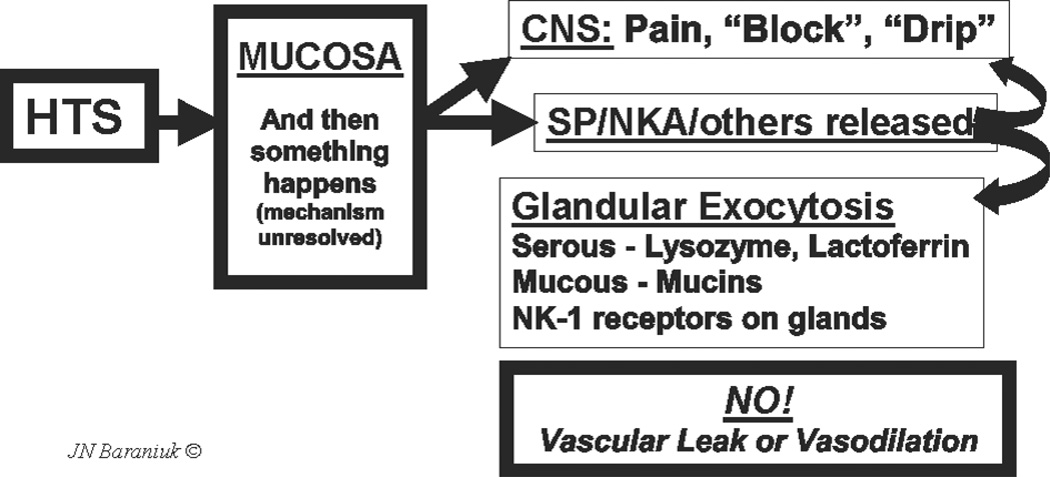
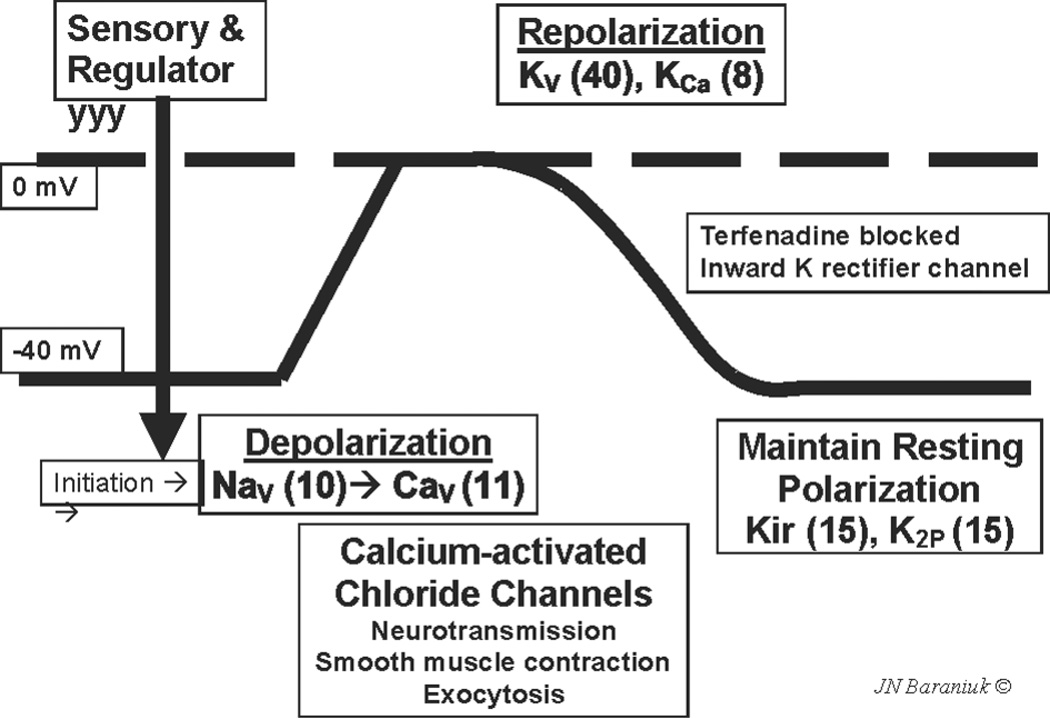
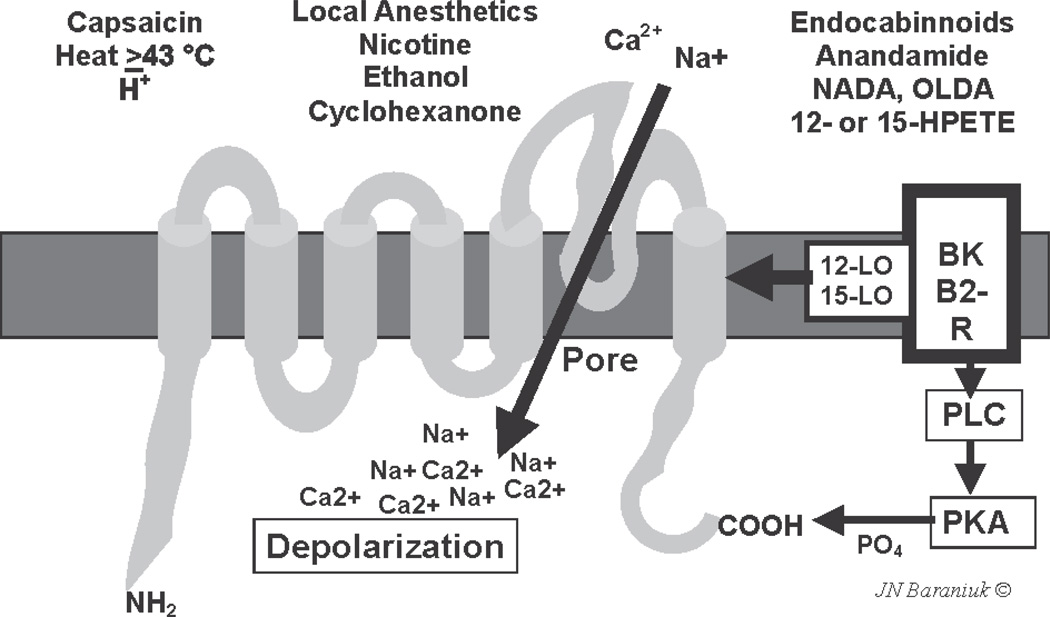
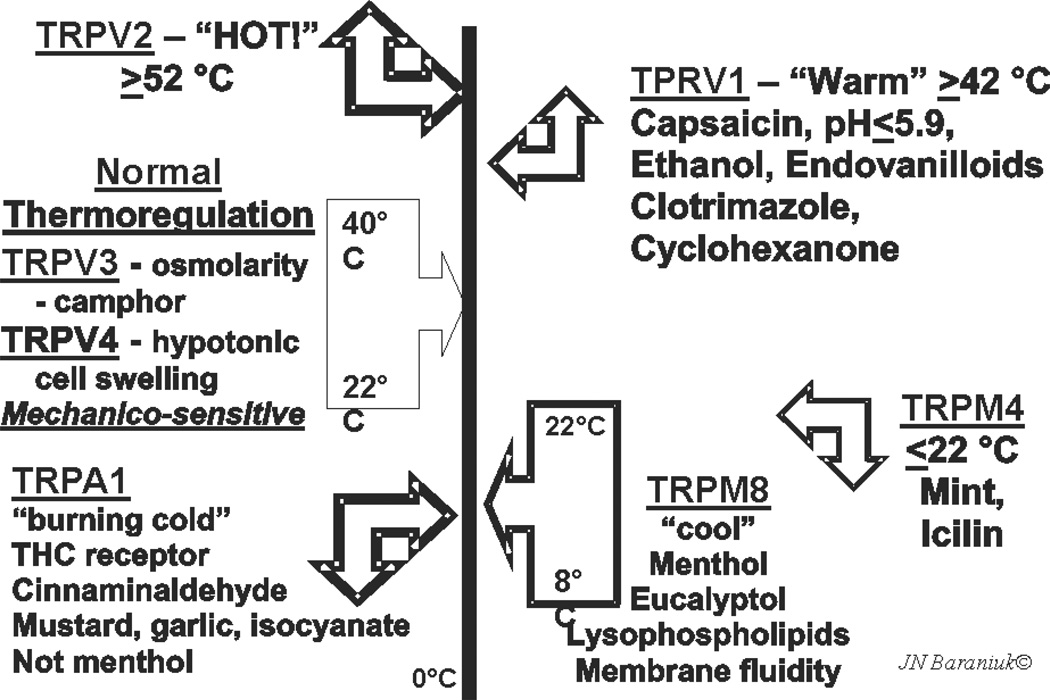
Nasal mucosa is innervated by multiple subsets of nociceptive, parasympathetic and sympathetic nerves. These play carefully coordinated roles in regulating glandular, vascular and other processes. These functions are vital for cleaning and humidifying ambient air before it is inhaled into the lungs. The recent recognition of distinct classes of nociceptive nerves with unique patterns of sensory receptors that include seven transmembrane G-protein coupled receptors, new families of transient receptor potential and voltage and calcium gated ion channels, and combinations of neurotransmitters that can be modulated during inflammation by neurotrophic factors has revolutionized our understanding of the complexity and subtlety of nasal innervation. These findings may provide a rational basis for responses to air temperature changes, culinary and botanical odorants ("aromatherapy"), and inhaled irritants in conditions as diverse as idiopathic nonallergic rhinitis, occupational rhinitis, hyposmia, and multiple chemical sensitivity.
Figures
References
-
- Naclerio RM, et al. Observations on the ability of the nose to warm and humidify inspired air. Rhinology. 2007;45:102–111. - PubMed
-
- Swift DL, Proctor DF. Access of air to the respiratory tract. In: Brain JD, Proctor DF, Reid LM, editors. Respiratory defense mechanisms. New York, NY: Marcel Dekker; 1977.
-
- Widdicombe J. The physiology of the nose. Clin Chest Med. 1986;7:159–170. - PubMed
-
- Cole P. Pathophysiology and treatment of airway mucociliary clearance. A moving tale. Minerva Anestesiol. 2001;67:206–209. - PubMed
-
- Stannard W, O’Callaghan C. Ciliary function and the role of cilia in clearance. J Aerosol Med. 2006;19:110–115. - PubMed
Publication types
MeSH terms
Substances
Grants and funding
LinkOut - more resources
Full Text Sources