


Assessing technological change in cardiothoracic surgery
- PMID: 19632560
- PMCID: PMC2935793
- DOI: 10.1053/j.semtcvs.2009.05.001
Assessing technological change in cardiothoracic surgery
Abstract
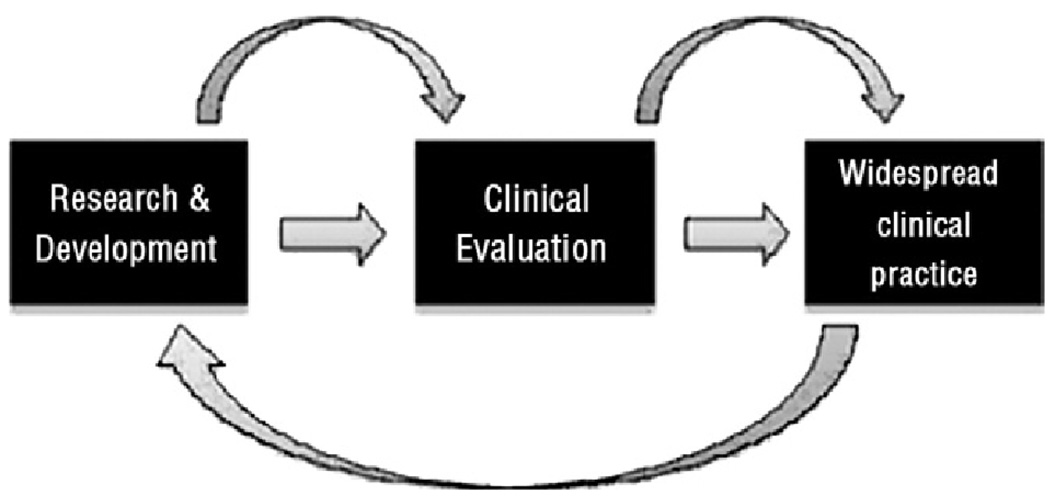
Technological innovation--broadly defined as the development and introduction of new drugs, devices, and procedures--has played a major role in advancing the field of cardiothoracic surgery. It has generated new forms of care for patients and improved treatment options. Innovation, however, comes at a price. Total national health care expenditures now exceed $2 trillion per year in the United States and all current estimates indicate that this number will continue to rise. As we continue to seek the most innovative medical treatments for cardiovascular disease, the spiraling cost of these technologies comes to the forefront. In this article, we address 3 challenges in managing the health and economic impact of new and emerging technologies in cardiothoracic surgery: (1) challenges associated with the dynamics of technological growth itself; (2) challenges associated with methods of analysis; and (3) the ways in which value judgments and political factors shape the translation of evidence into policy. We conclude by discussing changes in the analytical, financial, and institutional realms that can improve evidence-based decision-making in cardiac surgery.
References
-
- Centers for Medicare and Medicaid Services: National Health Expenditures Data. Baltimore, MD: Centers for Medicare and Medicaid Services; 2009. Available at: http://www.cms.hhs.gov/NationalHealthExpendData/ - PubMed
-
- Andrews RM. The National Hospital Bill: The Most Expensive Conditions by Payer, 2006. Rockville, MD: Agency for Healthcare Research and Quality; 2008. Available at: http://www.hcup-us.ahrq.gov/reports/statbriefs/sb59.pdf. - PubMed
-
- Cutler DM, McClellan M. Is technological change in medicine worth it? Health Aff. 2001;20:11–29. - PubMed
-
- The American Recovery and Reinvestment Act of 2009, in H.R. 1. Washington, DC: The Library of Congress; 2009. Available at: http://thomas.loc.gov/cgi-bin/query/z?c111:H.R.1.enr.
-
- Rose EA, Gelijns AC, Moskowitz AJ, et al. Long-term mechanical left ventricular assistance for end-stage heart failure. N Engl J Med. 2001;345:1435–1443. - PubMed
Publication types
MeSH terms
Grants and funding
LinkOut - more resources
Full Text Sources
Research Materials
