


Maintaining physiological state for exceptional survival: What is the normal level of blood glucose and does it change with age?
- PMID: 19635493
- PMCID: PMC2764411
- DOI: 10.1016/j.mad.2009.07.004
Maintaining physiological state for exceptional survival: What is the normal level of blood glucose and does it change with age?
Abstract
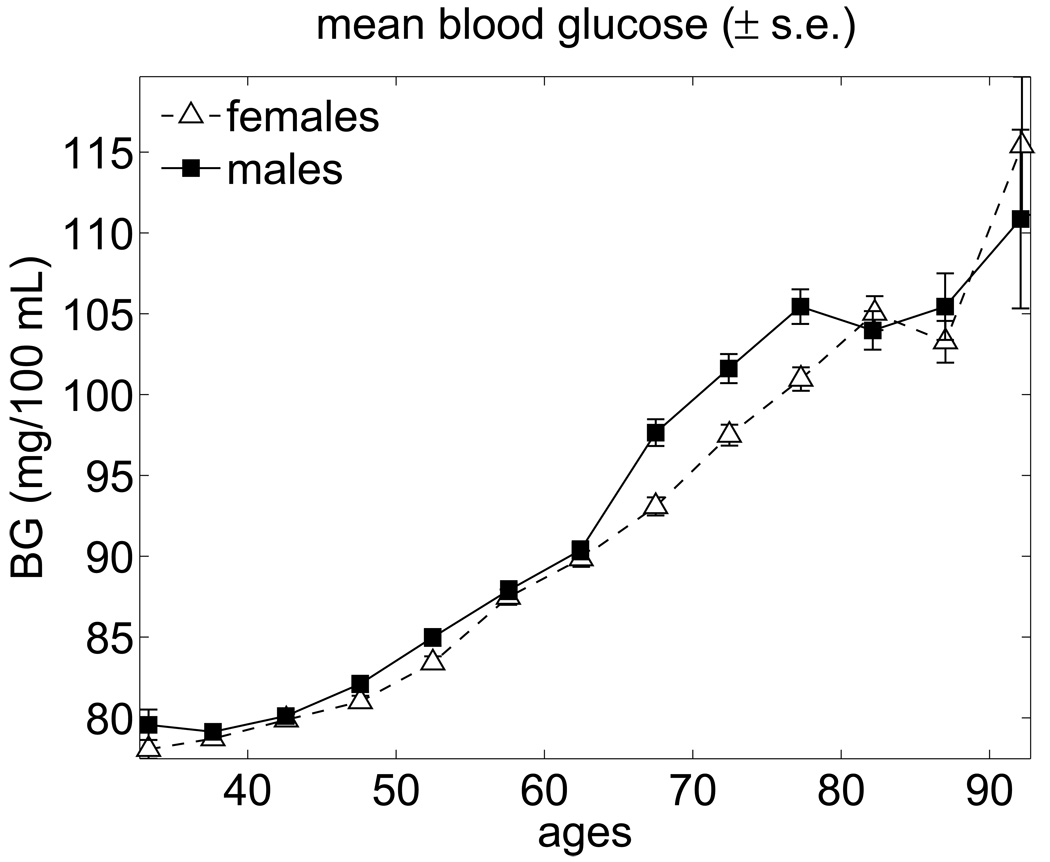
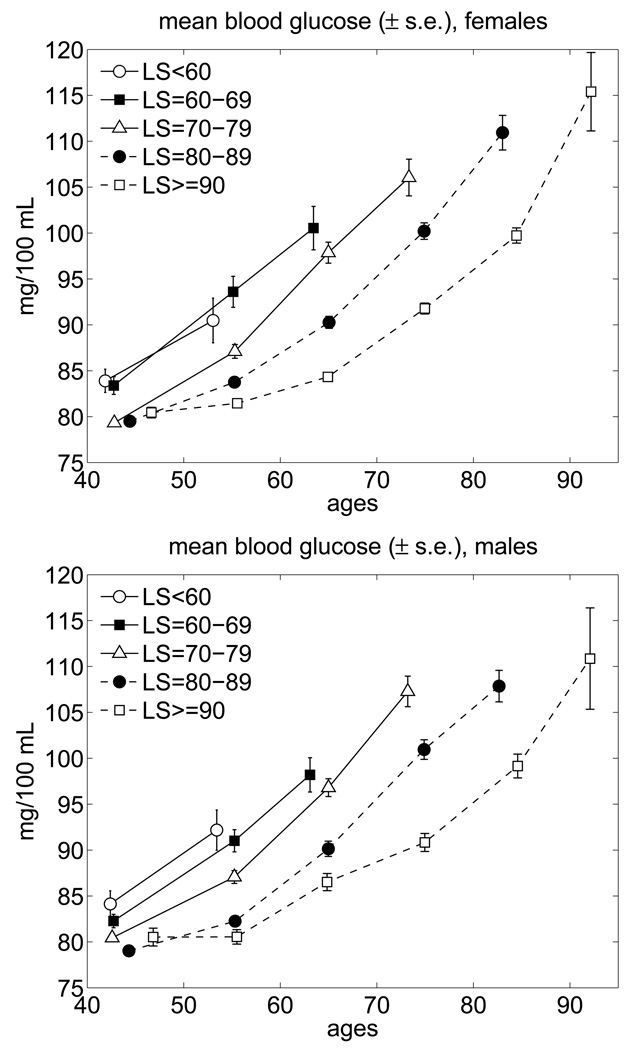
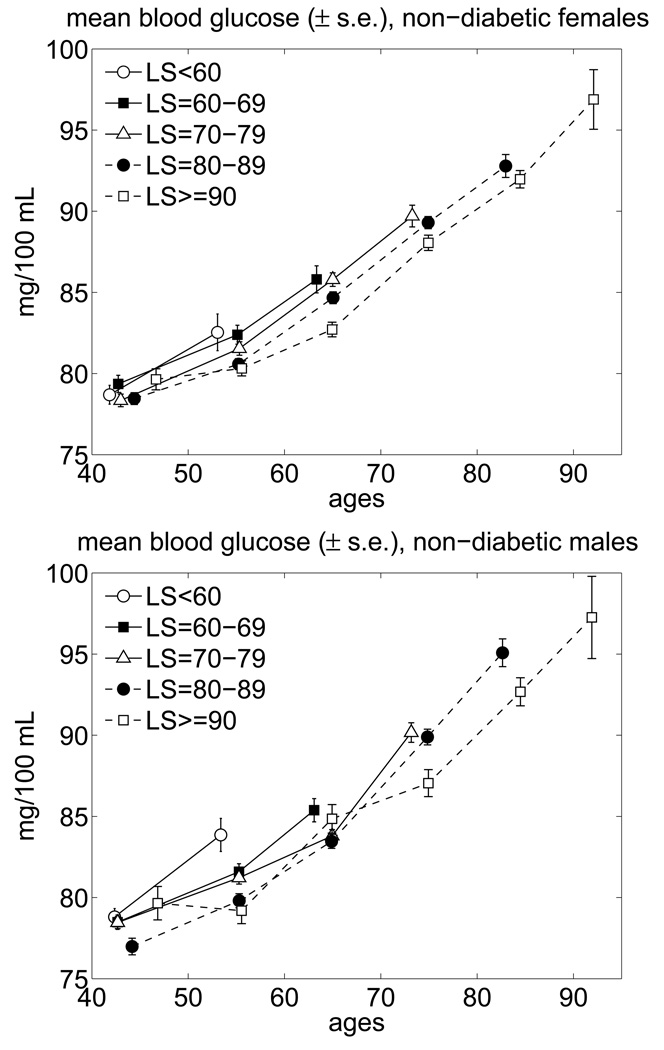
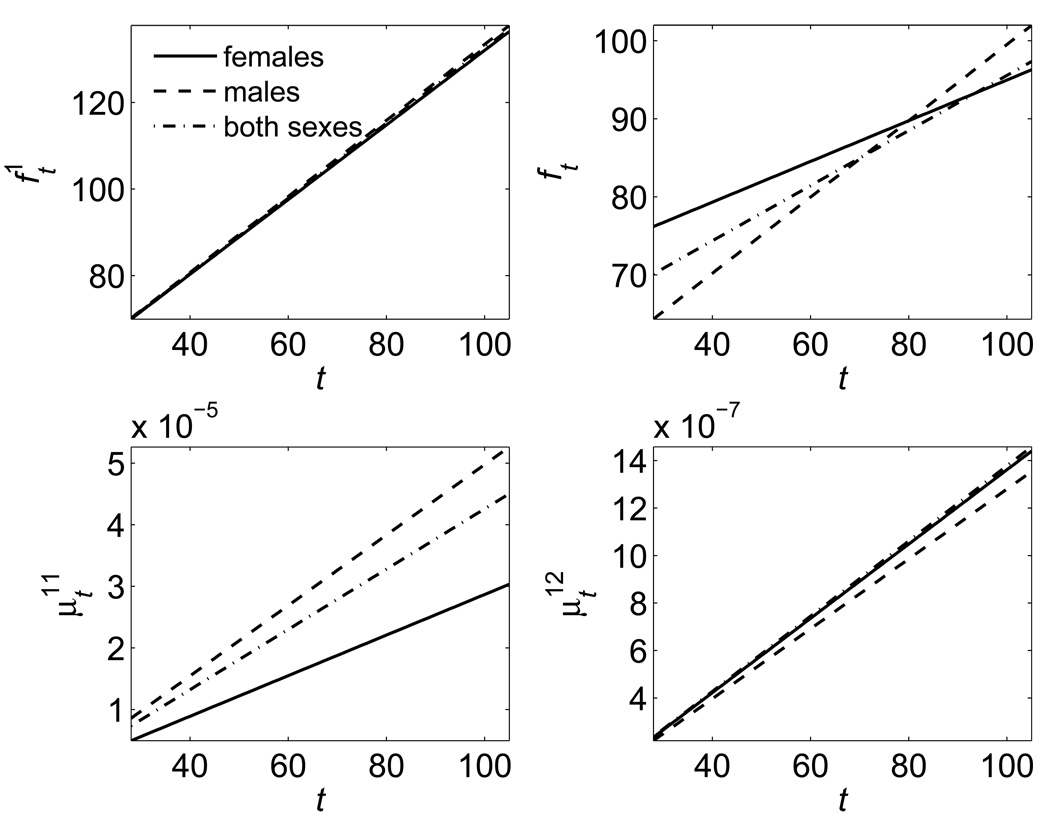
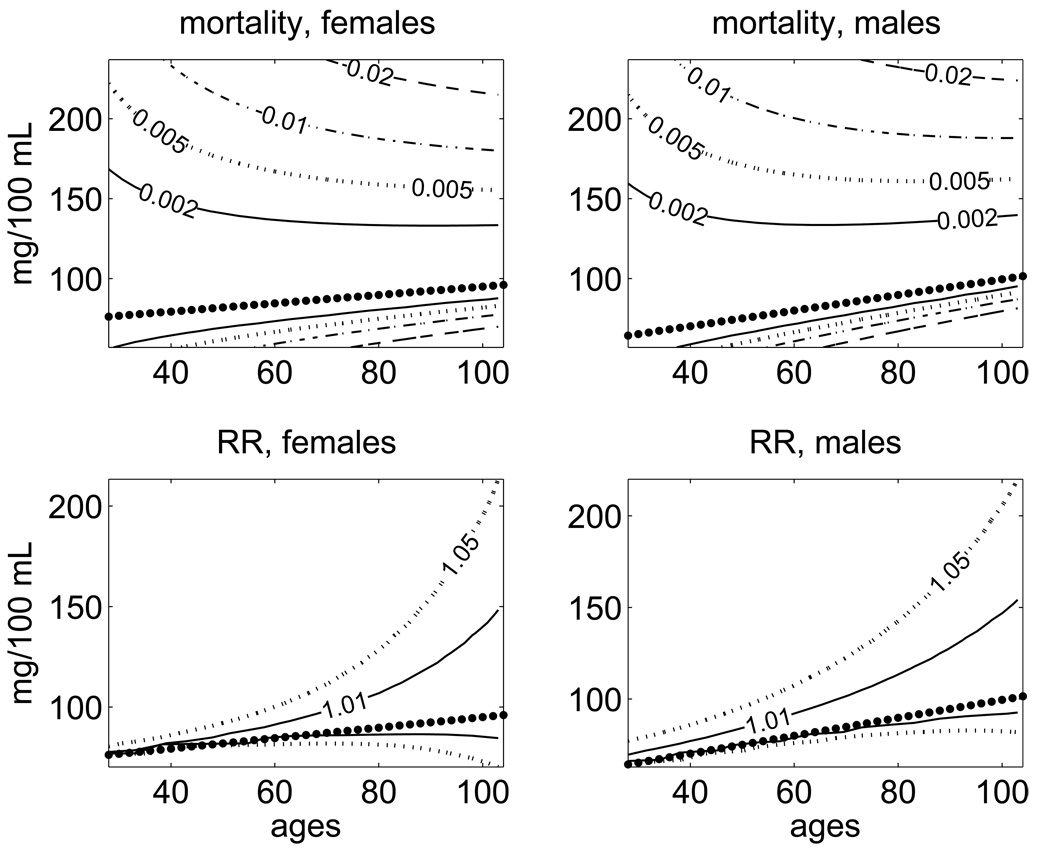
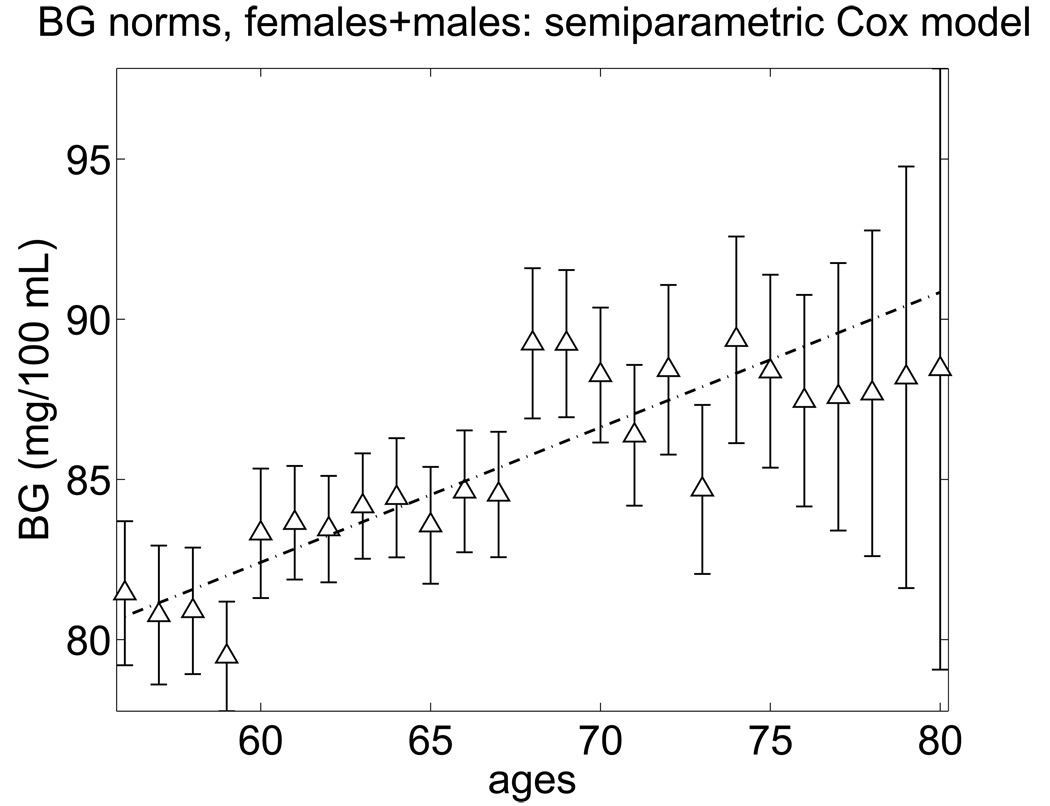
The levels of blood glucose (BG) in humans tend to increase with age deviating from the norm specified for the young adults. Such elevation is often considered as a factor contributing to an increase in risks of disease and death. The proper use of intervention strategies coping with or preventing consequences of BG elevation requires understanding the roles of external forces and intrinsic senescence in this process. To address these issues, we performed analyses of longitudinal data on BG collected in the Framingham Heart Study using methods of descriptive statistics and statistical modeling. The approach allows us to separate effects of persistent external disturbances from "normal" aging-related changes due to the senescence process. We found that the BG level corresponding to the lowest mortality risk tends to increase with age. The changes in the shape of the mortality risk with age indicate the aging-related decline in resistance to stresses affecting the BG level. The results show that analyzing longitudinal data using advanced methods may substantially increase our knowledge on factors and mechanisms responsible for aging-related changes in humans.
Figures
References
-
- Akaike H. A new look at the statistical model identification. ITAC AC-19. 1974;(6):716–723.
-
- Andres R. Aging and diabetes. Med. Clin. North Am. 1971;55(4):835–846. - PubMed
-
- Andres R. Aging, diabetes, and obesity: standards of normality. Mt. Sinai J. Med. 1981;48(6):489–495. - PubMed
-
- Barbieri M, Rizzo MR, Manzella D, Paolisso G. Age-related insulin resistance: is it an obligatory finding? The lesson from healthy centenarians. Diabetes. Metab. Res. Rev. 2001;17(1):19–26. - PubMed
-
- Burge MR. Lack of compliance with home blood glucose monitoring predicts hospitalization in diabetes. Diabetes Care. 2001;24(8):1502–1503. - PubMed
Publication types
MeSH terms
Substances
Grants and funding
LinkOut - more resources
Full Text Sources
Medical
