


Solitary fibrous tumor of the oral cavity: clinicopathologic and immunohistochemical study of 21 cases
- PMID: 19644541
- PMCID: PMC2715455
- DOI: 10.1007/s12105-009-0111-8
Solitary fibrous tumor of the oral cavity: clinicopathologic and immunohistochemical study of 21 cases
Abstract
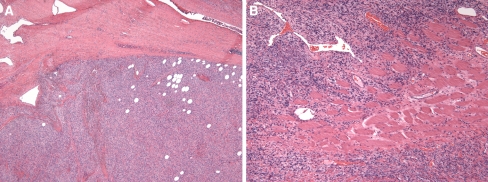
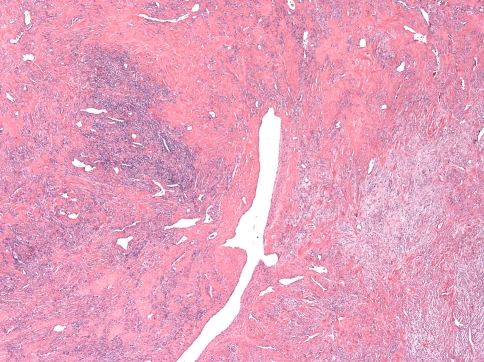
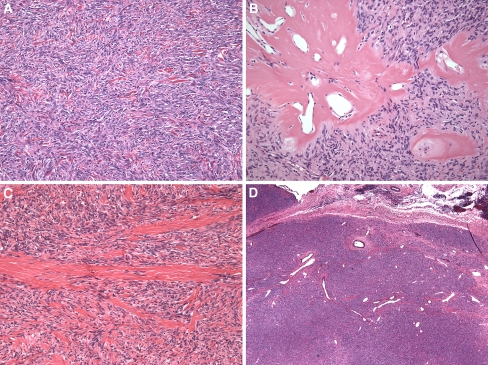
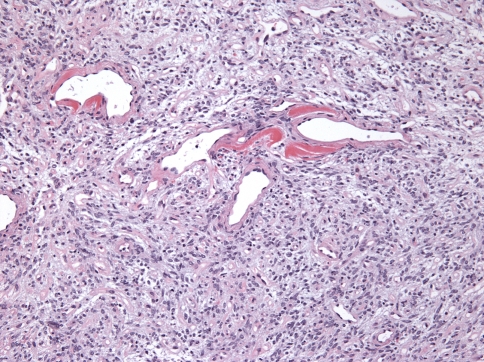
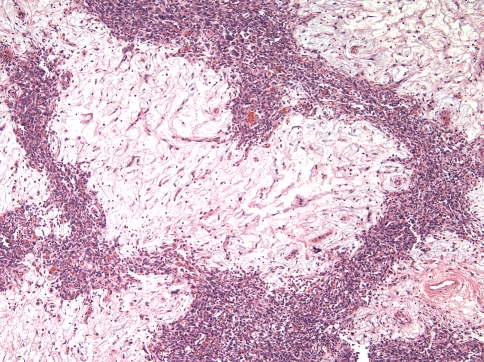
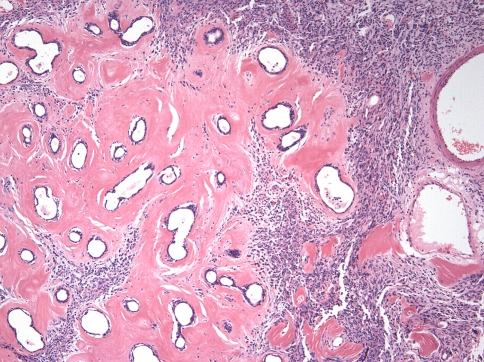
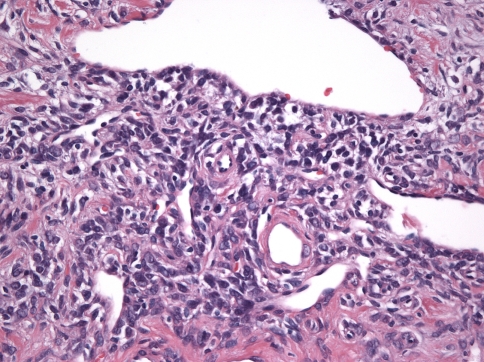
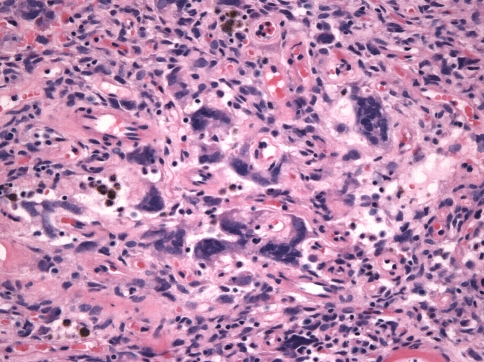
We describe clinical, morphologic, and immunohistochemical features of 21 cases of solitary fibrous tumor presenting in the oral cavity. There were 9 male and 12 female patients with a median age of 51 years (range 37-83). The most common locations included the buccal mucosa (the most common site), lip, maxillary or mandibular vestibule and tongue. Histopathologic examination showed well-circumscribed tumors with two well-defined patterns: the classic pattern with densely cellular areas alternating with hypocellular areas in a variably collagenous, vascular stroma and a more uniformly sclerotic pattern with only subtle classic areas. The spindle-shaped neoplastic cells consistently showed immunoreactivity for antibodies directed against CD34. Five of nineteen cases (26%) were reactive for CD99 and 19 of 19 for Bcl-2. Follow-up information was available in 17 cases and averaged 54 months, with no evidence of recurrence or metastasis in any of these patients. Awareness that solitary fibrous tumor may present in the oral cavity is important so that confusion with other spindle cell neoplasms can be avoided. We also briefly describe the differential diagnosis and compare this series, the largest single series of intraoral SFT, to cases previously reported in the literature.
Keywords: CD34; Differential diagnosis; Oral cavity; Solitary fibrous tumor.
Figures

References
-
- Klemperer P, Rabin CB. Primary neoplasm of the pleura: a report of 5 cases. Arch Pathol (Chic) 1931;11:28.
-
- Stout AP, Murray MR. Localized pleural mesothelioma: investigation of its characteristics and histogenesis by method of tissue culture. Arch Pathol (Chic) 1942;34:14.
-
- England DM, Hochholzer L, McCarthy MJ. Localized benign and malignant fibrous tumors of the pleura. Am J Surg Pathol. 1989;13(8):19. - PubMed
MeSH terms
Substances
LinkOut - more resources
Full Text Sources
Medical
