


The application of phosphoramidate protide technology to acyclovir confers anti-HIV inhibition
- PMID: 19645484
- PMCID: PMC2748767
- DOI: 10.1021/jm9007856
The application of phosphoramidate protide technology to acyclovir confers anti-HIV inhibition
Abstract
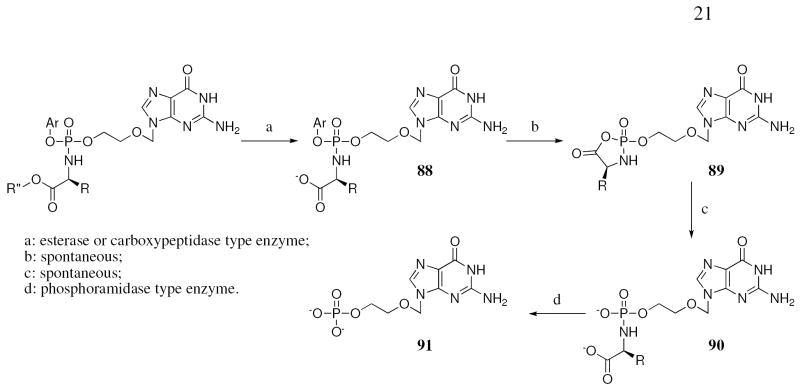
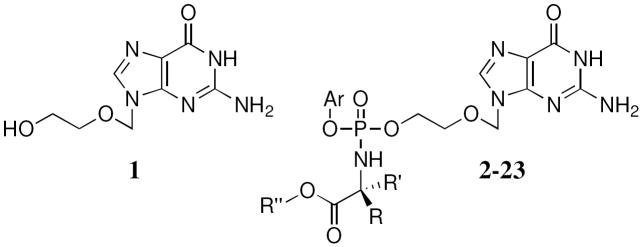
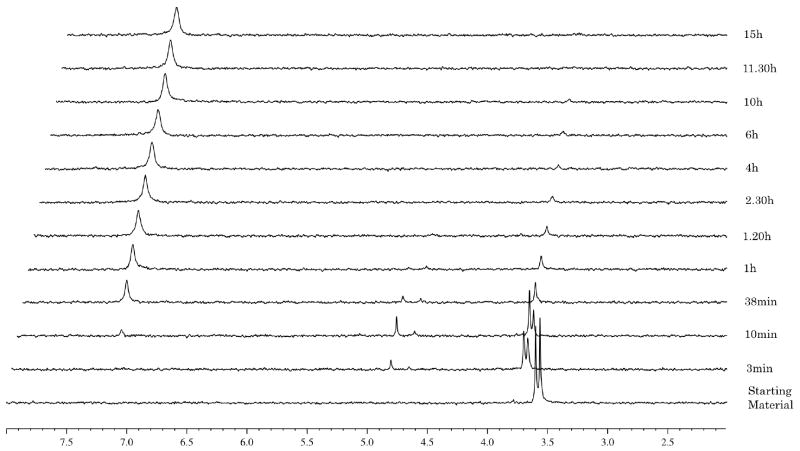
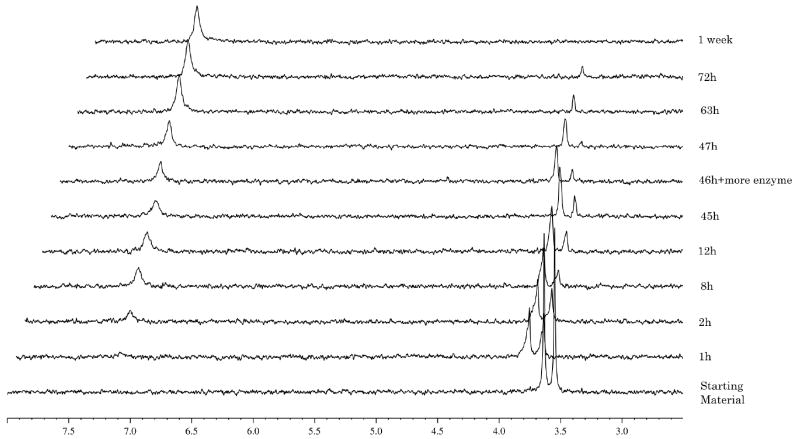
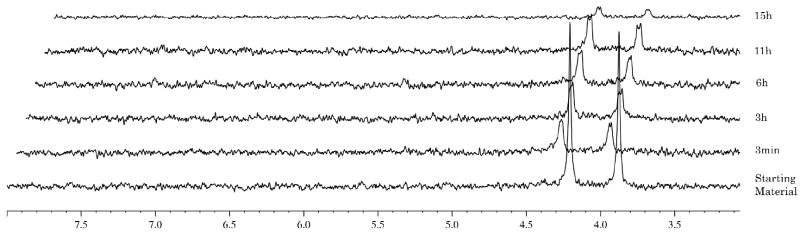
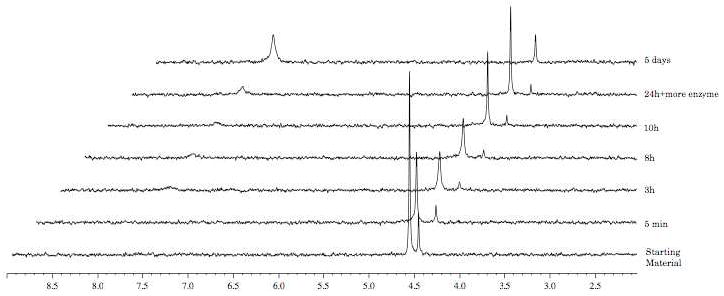
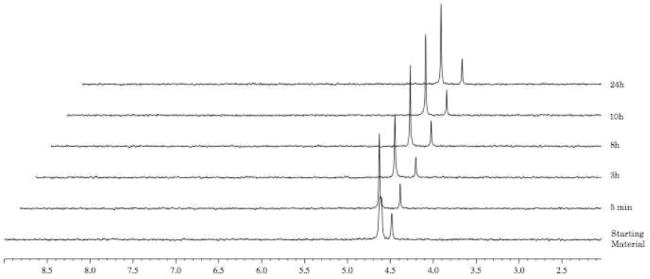
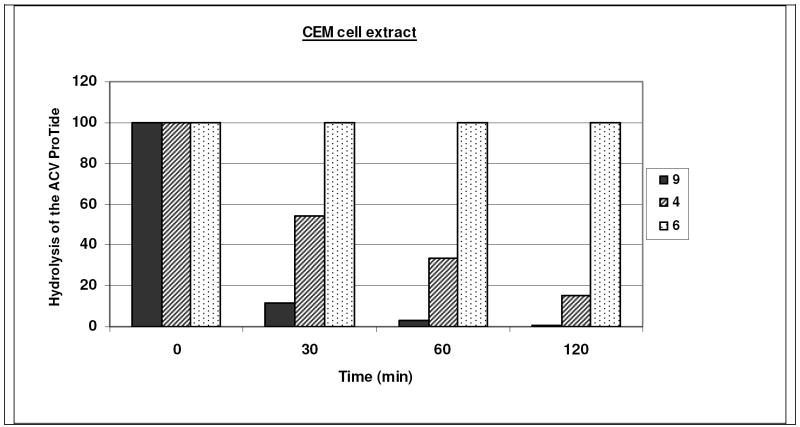
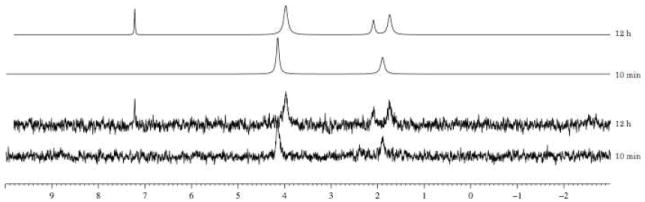
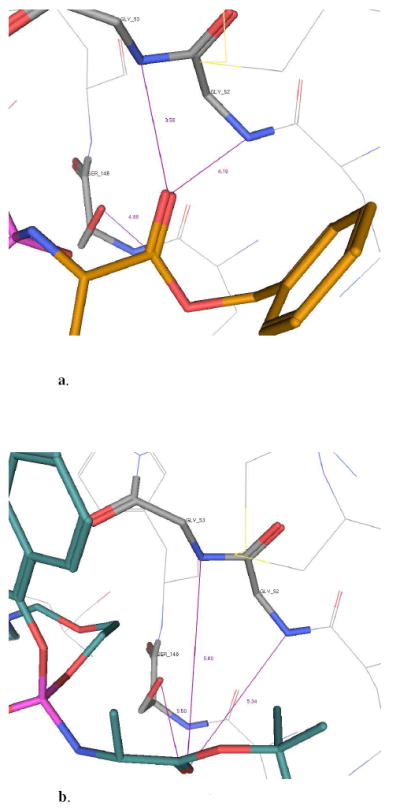
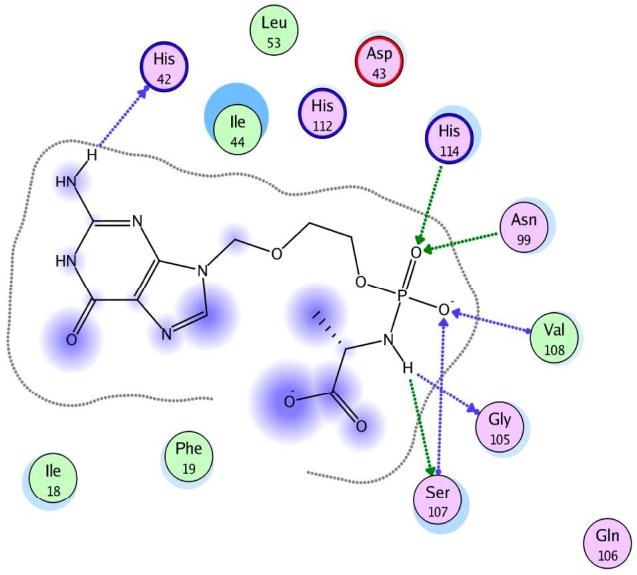
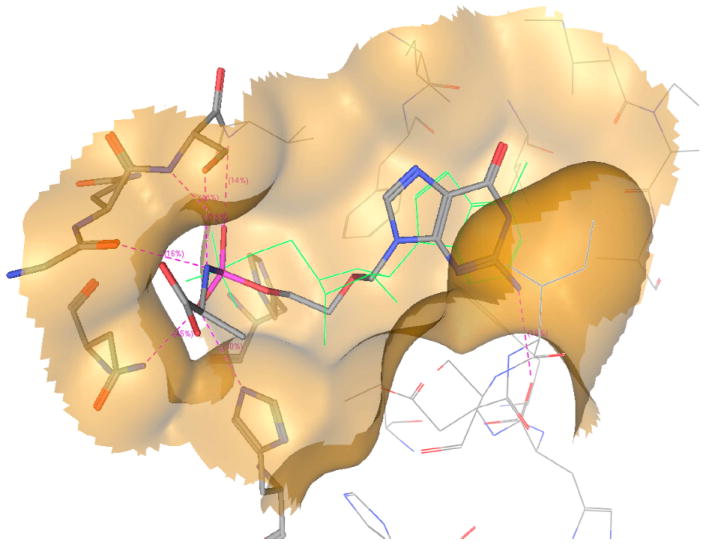
Recently, it has been reported that phosphorylated acyclovir (ACV) inhibits human immunodeficiency virus type 1 (HIV-1) reverse transcriptase in a cell-free system. To deliver phosphorylated ACV inside cells, we designed ACV monophosphorylated derivatives using ProTide technology. We found that the L-alanine derived ProTides show anti-HIV activity at noncytotoxic concentrations; ester and aryl variation was tolerated. ACV ProTides with other amino acids, other than L-phenylalanine, showed no detectable activity against HIV in cell culture. The inhibitory activity of the prodrugs against herpes simplex virus (HSV) types -1 and -2 and thymidine kinase-deficient HSV-1 revealed different structure-activity relationships but was again consistent with successful nucleoside kinase bypass. Enzymatic and molecular modeling studies have been performed in order to better understand the antiviral behavior of these compounds. ProTides showing diminished carboxypeptidase lability translated to poor anti-HIV agents and vice versa, so the assay became predictive.
Figures

References
-
- U.S Food and drug Administration. Drugs used in the treatment of HIV infection. 2008. [5 March 2009]. http://www.fda.gov/oashi/aids/virals.html.
-
- Clavel F, Hance AJ. HIV drug resistance. N Engl J Med. 2004;350:1023–1035. - PubMed
-
- Lisco A, Vanpouille C, Tchesnokov EP, Grivel J-C, Biancotto A, Brichacek B, Elliott J, Fromentin E, Shattock R, Anton P, Gorelick R, Balzarini J, McGuigan C, Derudas M, Gotte M, Schinazi RF, Margolis L. Acyclovir is activated into a HIV-1 reverse transcriptase inhibitor in herpesvirus-infected human tissues. Cell Host & Microbe. 2008;4:260–270. - PMC - PubMed
-
- Miller WH, Miller RL. Phosphorylation of acyclovir monophosphate by GMP kinase. J Biol Chem. 1980;255:7204–7207. - PubMed
-
- Miller WH, Miller RL. Phosphorylation of acyclovir diphosphate by cellular enzyme. Biochem Phamacol. 1982;31:3879–3884. - PubMed
Publication types
MeSH terms
Substances
Grants and funding
LinkOut - more resources
Full Text Sources
Other Literature Sources
Medical
