


Brain imaging approaches to the study of functional GI disorders: a Rome working team report
- PMID: 19646070
- PMCID: PMC3829384
- DOI: 10.1111/j.1365-2982.2009.01304.x
Brain imaging approaches to the study of functional GI disorders: a Rome working team report
Abstract
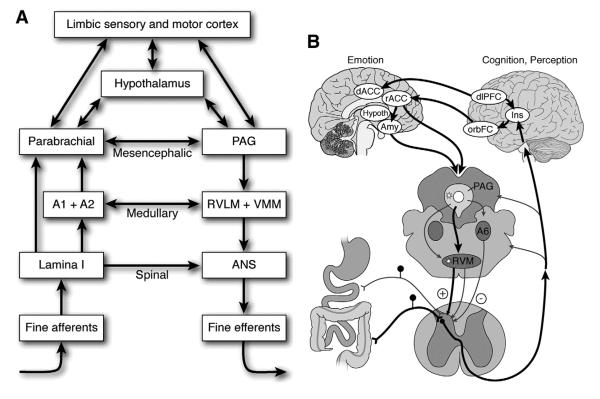
Progresses in the understanding of human brain-gut interactions in health and disease have been limited by the lack of non-invasive techniques to study brain activity. The advent of neuroimaging techniques has made it possible not only to study the structure and function of the brain, but also to characterize signaling system underlying brain function. This article gives a brief overview of relevant functional neuroanatomy, and of the most commonly used brain imaging techniques. It summarizes published functional brain imaging studies using acute visceral stimulation of the oesophagus, stomach and colon in healthy control subjects and patients with functional GI disorders, and briefly discusses pertinent findings from these studies. The article concludes with a critical assessment of published studies, and with recommendations for improved study paradigms and analysis strategies.
Figures
References
-
- Clauw DJ. Fibromyalgia: update on mechanisms and management. J Clin Rheumatol. 2007;13:102–9. - PubMed
-
- Meyer-Lindenberg A, Weinberger DR. Intermediate phenotypes and genetic mechanisms of psychiatric disorders. Nature Reviews Neuroscience. 2006;7:818–827. - PubMed
-
- Craig AD. Interoception: The sense of the physiological condition of the body. Current Opinion in Neurobiology. 2003;13:500–505. - PubMed
-
- Lane R. Brain-Gut Interactions and Interoceptive Awareness of Emotion. 2007.
Publication types
MeSH terms
Grants and funding
LinkOut - more resources
Full Text Sources
