


Altered affective response in marijuana smokers: an FMRI study
- PMID: 19656642
- PMCID: PMC2752701
- DOI: 10.1016/j.drugalcdep.2009.06.019
Altered affective response in marijuana smokers: an FMRI study
Abstract
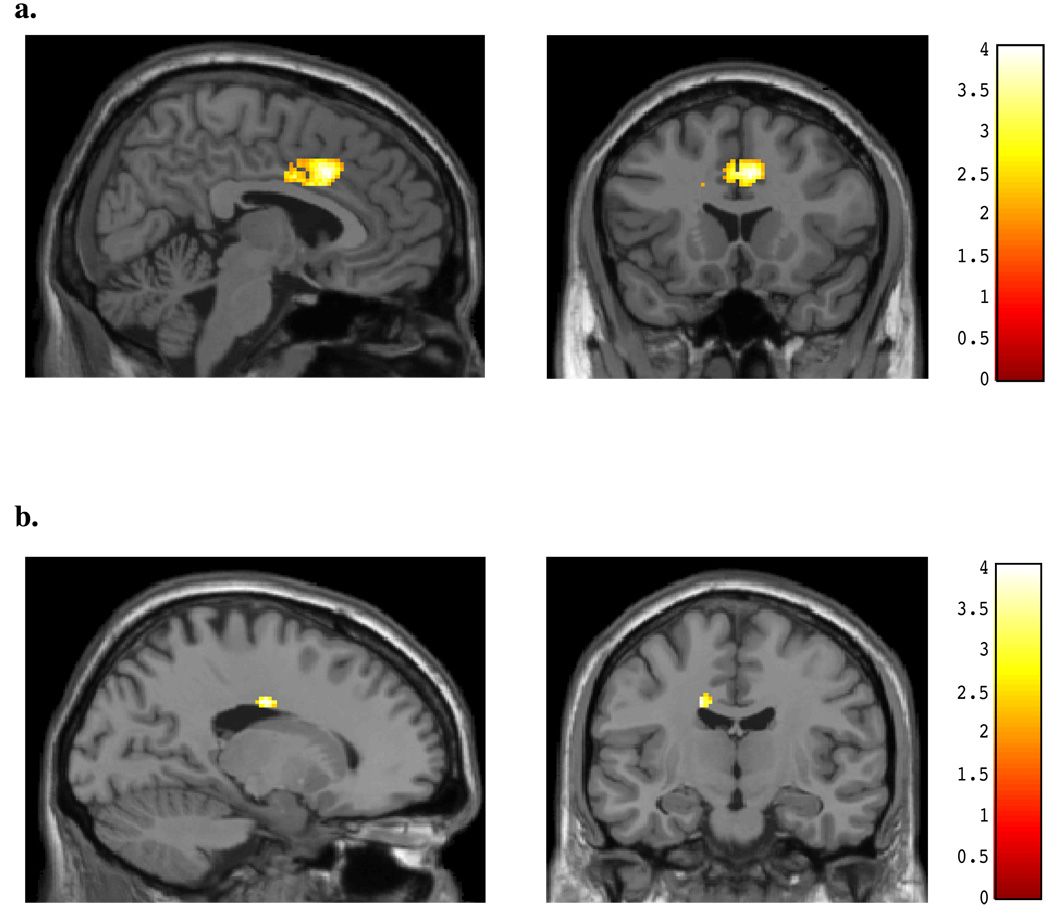
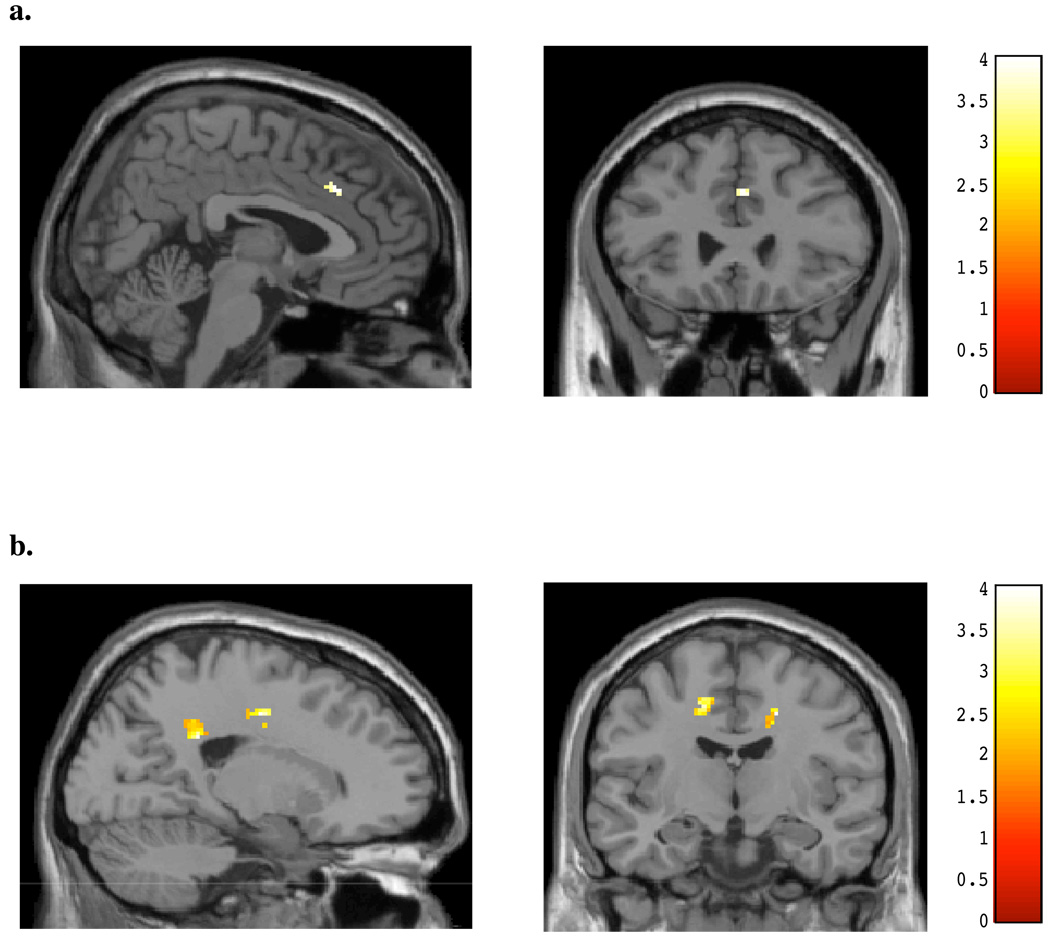
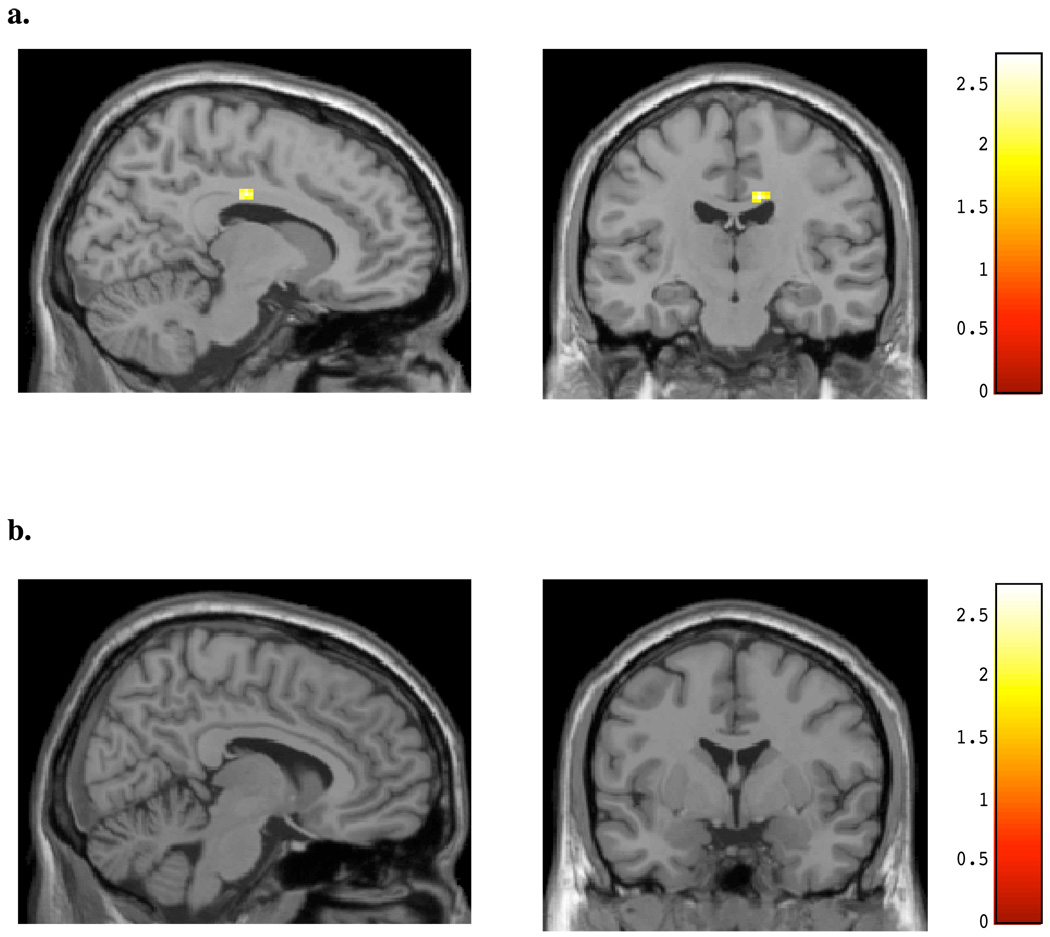
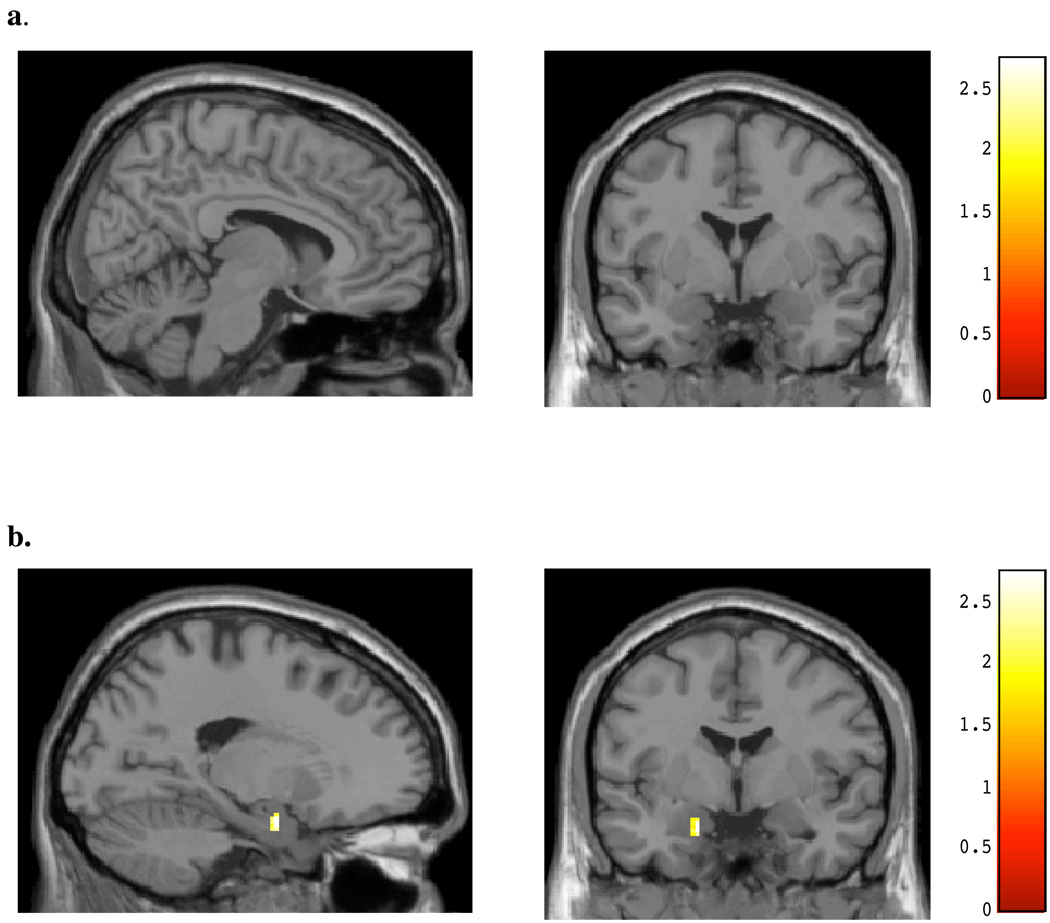
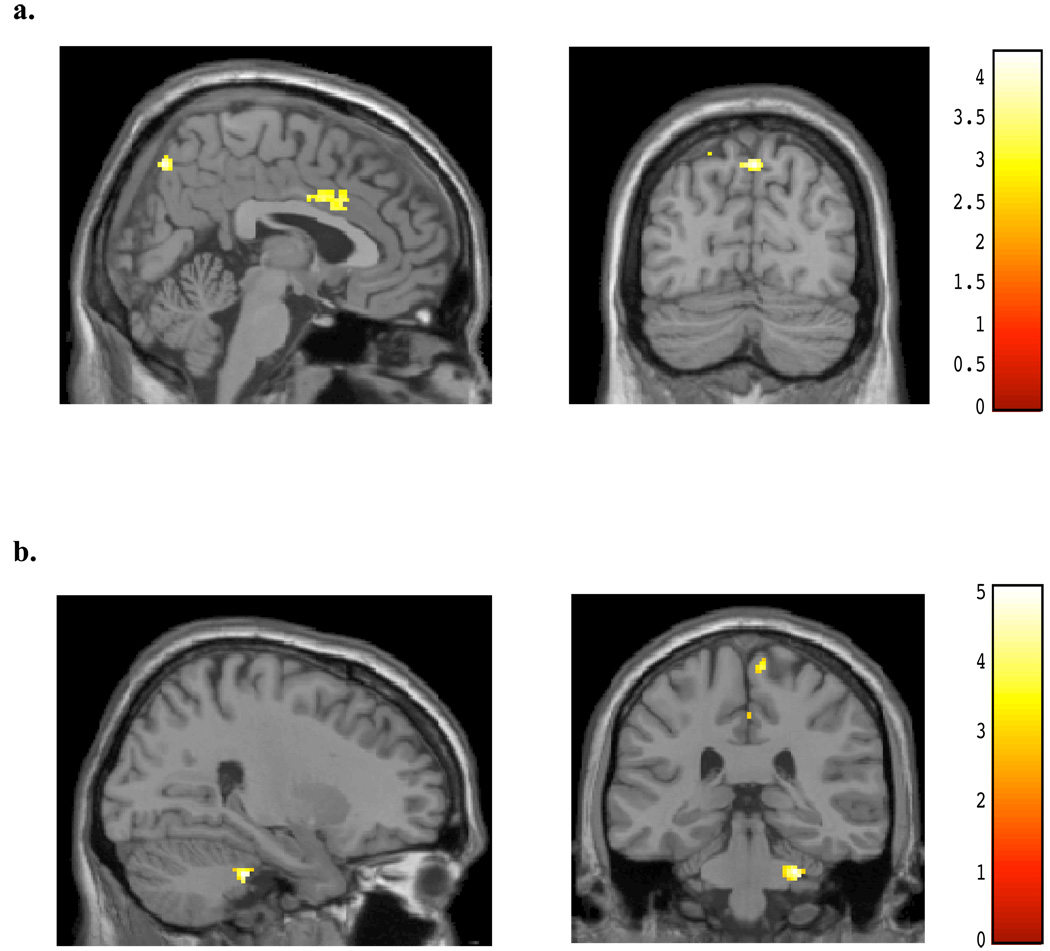
More than 94 million Americans have tried marijuana, and it remains the most widely used illicit drug in the nation. Investigations of the cognitive effects of marijuana report alterations in brain function during tasks requiring executive control, including inhibition and decision-making. Endogenous cannabinoids regulate a variety of emotional responses, including anxiety, mood control, and aggression; nevertheless, little is known about smokers' responses to affective stimuli. The anterior cingulate and amygdala play key roles in the inhibition of impulsive behavior and affective regulation, and studies using PET and fMRI have demonstrated changes within these regions in marijuana smokers. Given alterations in mood and perception often observed in smokers, we hypothesized altered fMRI patterns of response in 15 chronic heavy marijuana smokers relative to 15 non-marijuana smoking control subjects during the viewing of masked happy and fearful faces. Despite no between-group differences on clinical or demographic measures, smokers demonstrated a relative decrease in both anterior cingulate and amygdalar activity during masked affective stimuli compared to controls, who showed relative increases in activation within these regions during the viewing of masked faces. Findings indicate that chronic heavy marijuana smokers demonstrate altered activation of frontal and limbic systems while viewing masked faces, consistent with autoradiographic studies reporting high CB-1 receptor density in these regions. These data suggest differences in affective processing in chronic smokers, even when stimuli are presented below the level of conscious processing, and underscore the likelihood that marijuana smokers process emotional information differently from those who do not smoke, which may result in negative consequences.
Figures




References
-
- Alves CN, Goyos AC, Carlin EA. Aggressiveness induced by marijuana and other psychotropic drugs in REM sleep-deprived rats. Pharmacol Biochem Behav. 1973;1:183–189.
-
- Bac P, Pages N, Herrenknecht C, Paris M. Measurement of the three phases of muricidal behavior induced by delta9-tetrahydrocannabinol in isolated, fasting rats. Physiol Behav. 1998;63:815–820. - PubMed
-
- Beck A. Beck Depression Inventory. San Antonio, TX: The Psychological Corporation; 1987.
-
- Budney AJ, Hughes JR, Moore BA, Novy PL. Marijuana abstinence effects in marijuana smokers maintained in their home environment. Arch Gen Psychiatry. 2001;58:917–924. - PubMed
-
- Budney AJ, Moore BA, Vandrey RA, Hughes JR. Onset, magnitude and duration of abstinene effects following heavy marijuana use. Drug Alcohol Depend. 2002;66S23
Publication types
MeSH terms
Substances
Grants and funding
LinkOut - more resources
Full Text Sources
Medical
