


Parenteral fish oil improves outcomes in patients with parenteral nutrition-associated liver injury
- PMID: 19661785
- PMCID: PMC3366279
- DOI: 10.1097/SLA.0b013e3181b36657
Parenteral fish oil improves outcomes in patients with parenteral nutrition-associated liver injury
Abstract
Objective: The objective was to determine the safety and efficacy of a fish oil-based intravenous lipid emulsion (ILE) in the treatment of parenteral nutrition-associated liver disease (PNALD).
Summary and background data: PNALD can be a lethal complication in children with short bowel syndrome (SBS). ILE based on soybean oil administered with parenteral nutrition (PN) may contribute to its etiology.
Methods: We performed an open-labeled trial of a fish oil-based ILE in 42 infants with SBS who developed cholestasis (serum direct bilirubin >2 mg/dL) while receiving soybean oil-based ILE. Safety and efficacy outcomes were compared with those from a contemporary cohort of 49 infants with SBS and cholestasis whose PN course included soybean ILE only. The primary efficacy end-point was time to reversal of cholestasis (direct bilirubin <=2 mg/dL).
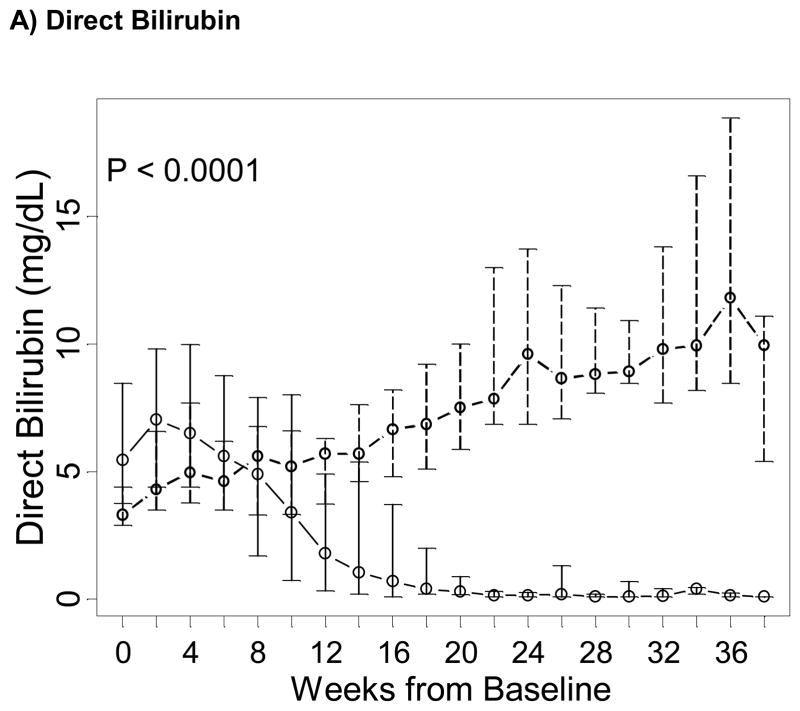
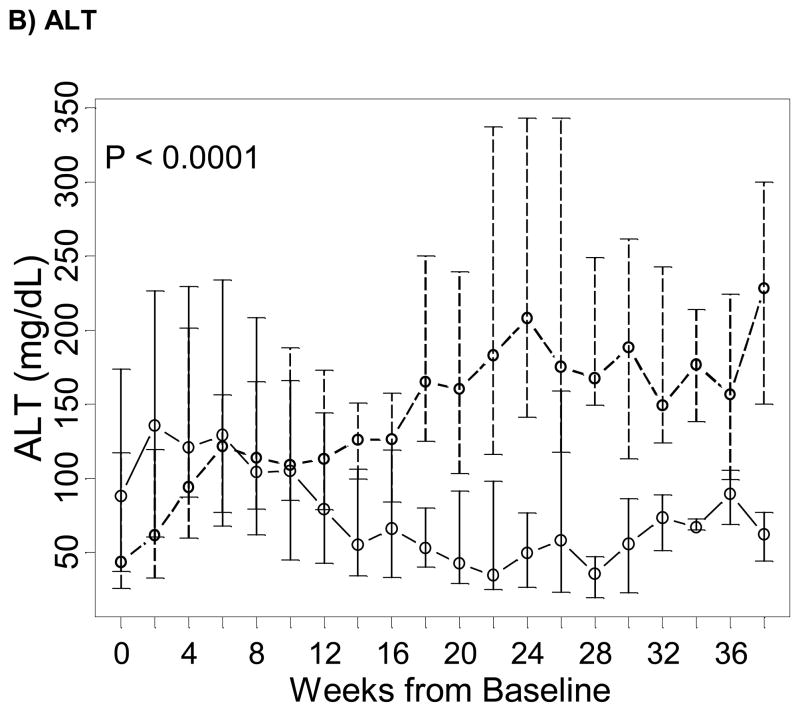
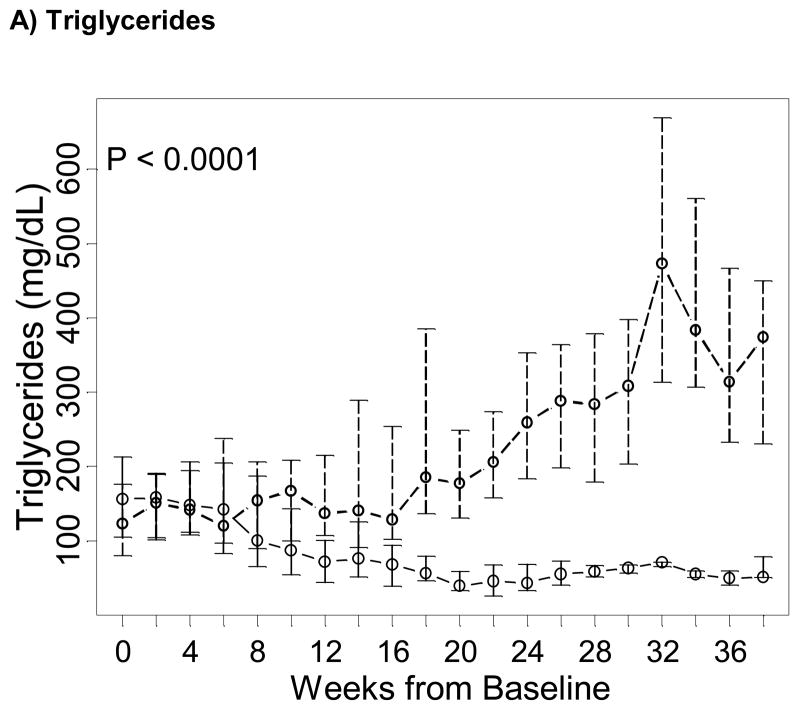
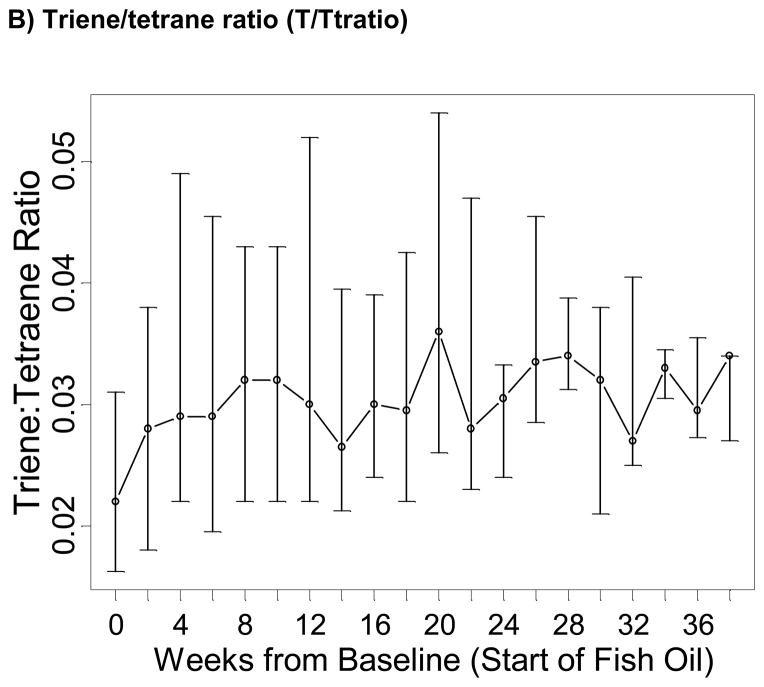
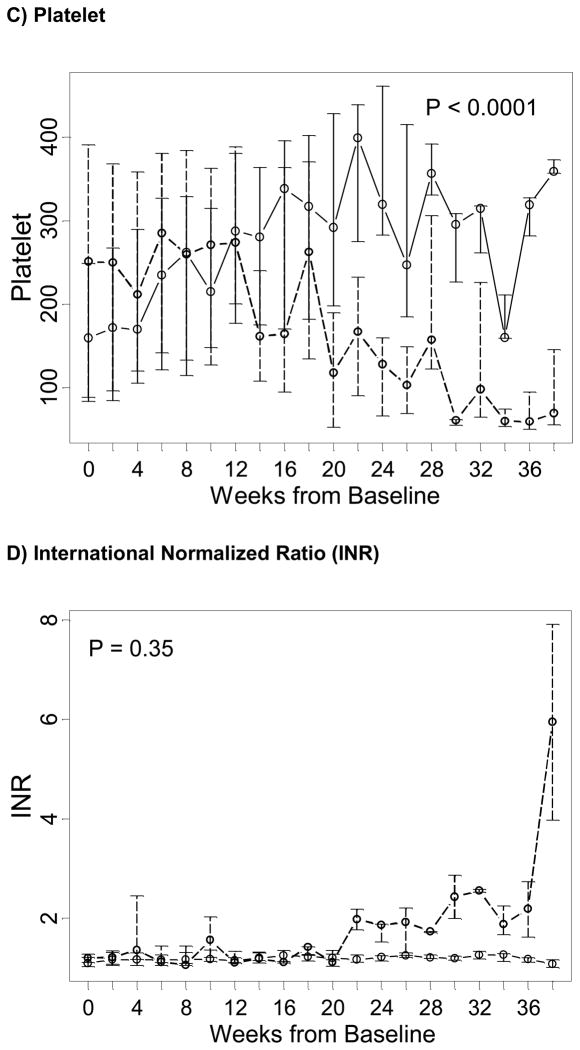
Results: Three deaths and 1 liver transplantation occurred in the fish oil cohort, compared with 12 deaths and 6 transplants in the soybean oil cohort (P = 0.005). Among survivors not transplanted during PN, cholestasis reversed while receiving PN in 19 of 38 patients in the fish oil cohort versus 2 of 36 patients in the soybean oil cohort. Based on Cox models, subjects receiving fish oil-based ILE experienced reversal of cholestasis 6 times faster (95% CI: 2.0-37.3) than those receiving soybean oil-based ILE. The provision of fish oil-based ILE was not associated with hypertriglyceridemia, coagulopathy, or essential fatty acid deficiency. Moreover, hypertriglyceridemic events and abnormal international normalized ratio levels were more common among controls.
Conclusions: Fish oil-based ILE is safe, may be effective in treating PNALD, and may reduce mortality and organ transplantation rates in children with SBS.
Figures
References
-
- [accessed January 20]; http://www.niddk.nih.gov/federal/ddicc/minutes6_25_02.pdf-
-
- Dorney SF, Ament ME, Berquist WE, et al. Improved survival in very short small bowel of infancy with use of long-term parenteral nutrition. The Journal of pediatrics. 1985;107:521–5. - PubMed
-
- Dudrick S, Wilmore D, Vars H, et al. Long-term total parenteral nutrition with growth, development, and positive nitrogen balance. Surgery. 1968;64:134–42. - PubMed
-
- Norman K, Pichard C, Lochs H, et al. Prognostic impact of disease-related malnutrition. Clinical nutrition (Edinburgh, Scotland) 2008;27:5–15. - PubMed
-
- Freund HR. Abnormalities of liver function and hepatic damage associated with total parenteral nutrition. Nutrition (Burbank, Los Angeles County, Calif. 1991;7:1–5. discussion -6. - PubMed
Publication types
MeSH terms
Substances
Grants and funding
LinkOut - more resources
Full Text Sources
Other Literature Sources
Medical
