


Molecular breast imaging
- PMID: 19671027
- PMCID: PMC2748346
- DOI: 10.1586/era.09.75
Molecular breast imaging
Abstract
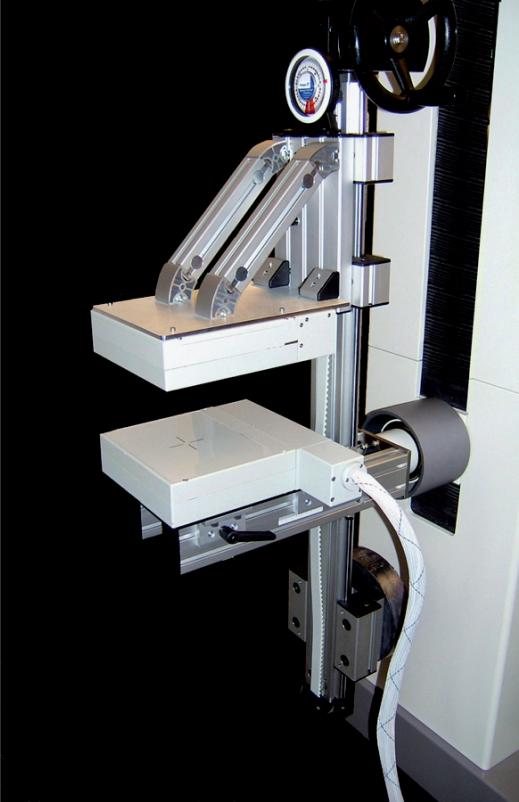
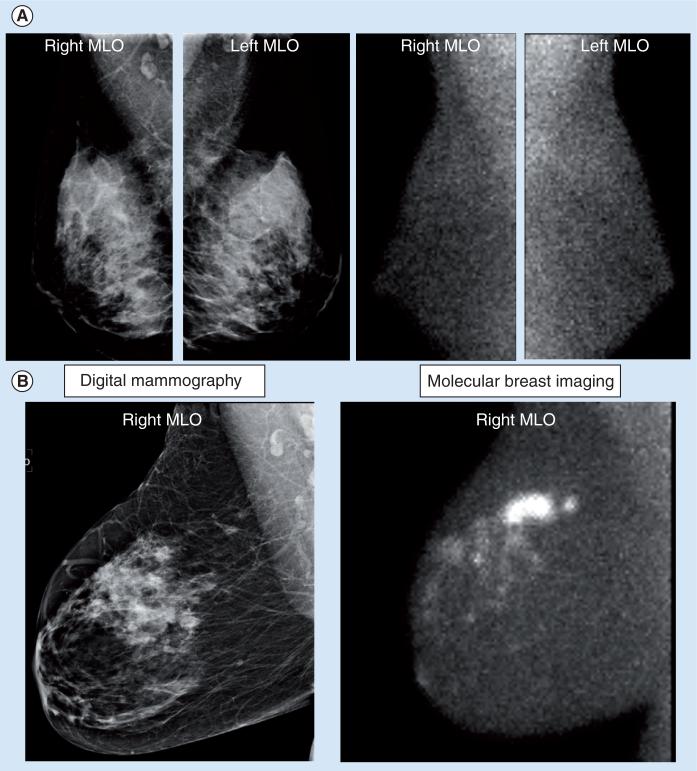
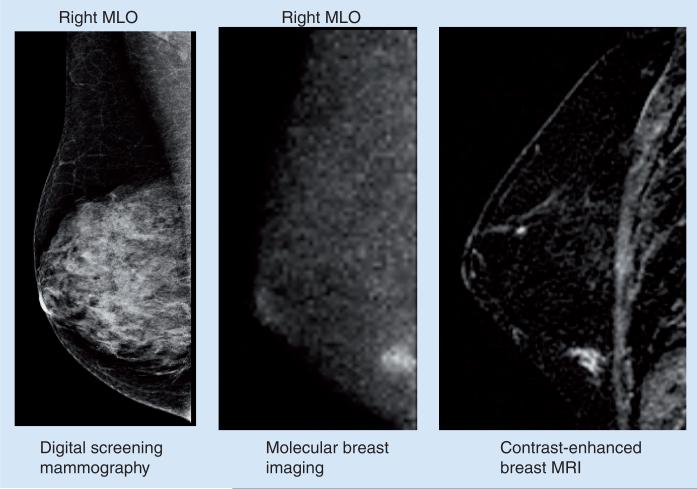
Molecular breast imaging (MBI) is a new nuclear medicine technique that utilizes small semiconductor-based gamma-cameras in a mammographic configuration to provide high-resolution functional images of the breast. Current studies with MBI have used Tc-99m sestamibi, which is an approved agent for breast imaging. The procedure is relatively simple to perform. Imaging can be performed within 5 min postinjection, with the breast lightly compressed between the two detectors. Images of each breast are acquired in the craniocaudal and mediolateral oblique projections facilitating comparison with mammography. Key studies have confirmed that MBI has a high sensitivity for the detection of small breast lesions. In patients with suspected breast cancer, MBI has an overall sensitivity of 90%, with a sensitivity of 82% for lesions less than 10 mm in size. Sensitivity was lowest for tumors less than 5 mm in size. Tumor detection does not appear to be dependent on tumor type, but rather on tumor size. Studies using MBI and breast-specific gamma-imaging have shown that these methods have comparable sensitivity to breast MRI. A large clinical trial compared MBI with screening mammography in over 1000 women with mammographically dense breast tissue and increased risk of breast cancer and showed that MBI detected two-to three-times more cancers than mammography. In addition, MBI appears to have slightly better specificity than mammography in this trial. MBI provides high-resolution functional images of the breast and its potential applications range from evaluation of the extent of disease to a role as an adjunct screening technique in certain high-risk populations. MBI is highly complementary to existing anatomical techniques, such as mammography, tomosynthesis and ultrasound.
Figures
References
-
- Berry DA, Cronin KA, Plevritis SK, et al. Effect of screening and adjuvant therapy on mortality from breast cancer. N. Engl. J. Med. 2005;353:1784–1792. - PubMed
-
- Mushlin AI, Kouides RW, Shapiro DE. Estimating the accuracy of screening mammography: a meta-analysis. Am. J. Prev. Med. 1998;14(2):143–153. - PubMed
-
- Humphrey LL, Helfand M, Chan BKS, Woolf SH. Breast cancer screening: a summary of the evidence for the USA Preventive Services Task Force. Ann. Intern. Med. 2002;137:347–360. - PubMed
-
- Sardanelli F, Podo F, D'Agnolo G, et al. Multicenter comparative multimodality surveillance of women at genetic-familial high risk for breast cancer (HIBCRIT study): interim results. Radiology. 2007;242:698–715. [•• of considerable interestLarge multicenter study that highlights the limitations of mammography in women at high risk of breast cancer] - PubMed
-
- Lehman CD. Role of MRI in screening women at high risk for breast cancer. J. Magn. Reson. Imaging. 2006;24:964–970. - PubMed
Publication types
MeSH terms
Substances
Grants and funding
LinkOut - more resources
Full Text Sources
Other Literature Sources
Medical
