


Biomarkers in cervical cancer
Abstract
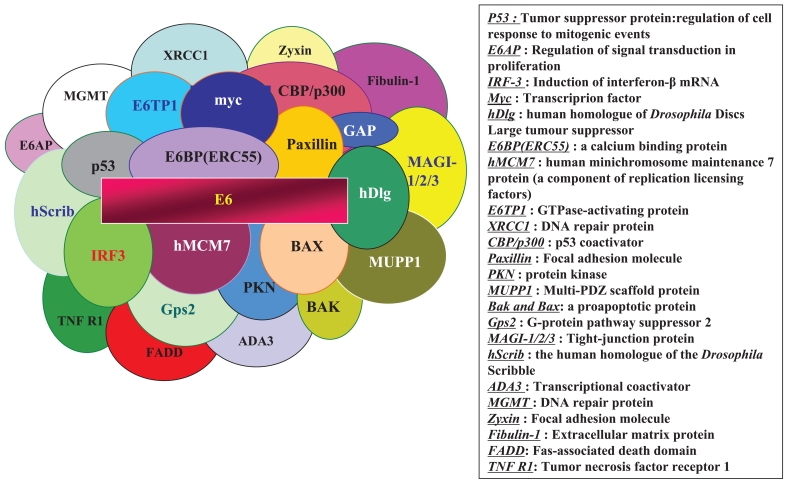
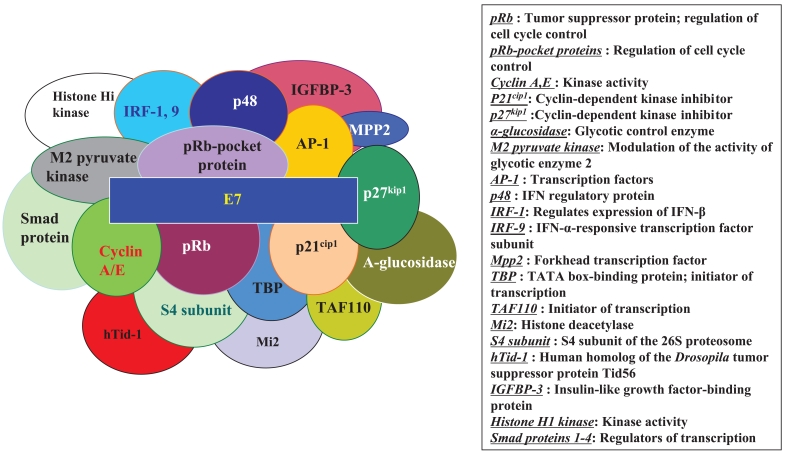
Cervical cancer, a potentially preventable disease, remains the second most common malignancy in women worldwide. Human papillomavirus (HPV) is the single most important etiological agent in cervical cancer, contributing to neoplastic progression through the action of viral oncoproteins, mainly E6 and E7. Cervical screening programs using Pap smear testing have dramatically improved cervical cancer incidence and reduced deaths, but cervical cancer still remains a global health burden. The biomarker discovery for accurate detection and diagnosis of cervical carcinoma and its malignant precursors (collectively referred to as high-grade cervical disease) represents one of the current challenges in clinical medicine and cytopathology.
Keywords: Cervical cancer; Human papillomavirus (HPV); biomarker.
Figures
References
-
- Al-Nafussi AI, Klys HS, Rebello G, et al. The assessment of proliferating cell nuclear antigen (PCNA) immunostaining in the uterine cervix and cervical squamous neoplasia. Int J Gynecol Cancer. 1993;3:154–8. - PubMed
-
- Antonsson A, Payne E, Hengst K, et al. The Human Papillomavirus Type 16 E7 Protein Binds Human Interferon Regulatory Factor-9 via a Novel PEST Domain Required for Transformation. J Interferon Cytokine Res. 2006;26:455–61. - PubMed
-
- Autier P, Coibion M, De Sutter P, et al. Cytology alone versus cytology and cervicography for cervical cancer screening: a randomized study. Obstet Gynecol. 1999;93:353–8. - PubMed
LinkOut - more resources
Full Text Sources
Other Literature Sources
Research Materials