


HIV-associated bladder cancer: a case series evaluating difficulties in diagnosis and management
- PMID: 19719844
- PMCID: PMC2746230
- DOI: 10.1186/1471-2490-9-10
HIV-associated bladder cancer: a case series evaluating difficulties in diagnosis and management
Abstract
Background: Chronic human immunodeficiency virus (HIV) infection is associated with an increased incidence of Non-Acquired Immunodeficiency Syndrome (non-AIDS) defining cancers. To date, only a limited number of cases of bladder cancer have been linked with HIV infection. We sought to describe the clinical characteristics of HIV-associated bladder cancer.
Methods: A retrospective study was performed involving HIV-positive patients with bladder cancer, combining cases from multiple institutions with published case reports. Data regarding patient demographics, HIV status, clinical presentation, pathology, cancer treatment, and outcome were analyzed using descriptive statistics.
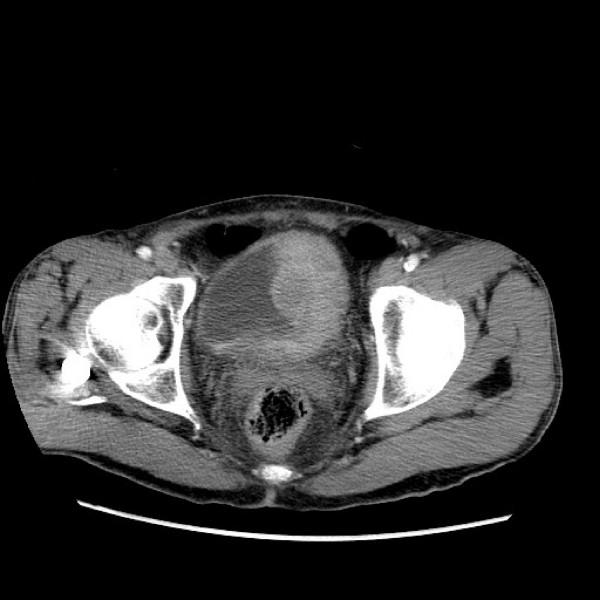
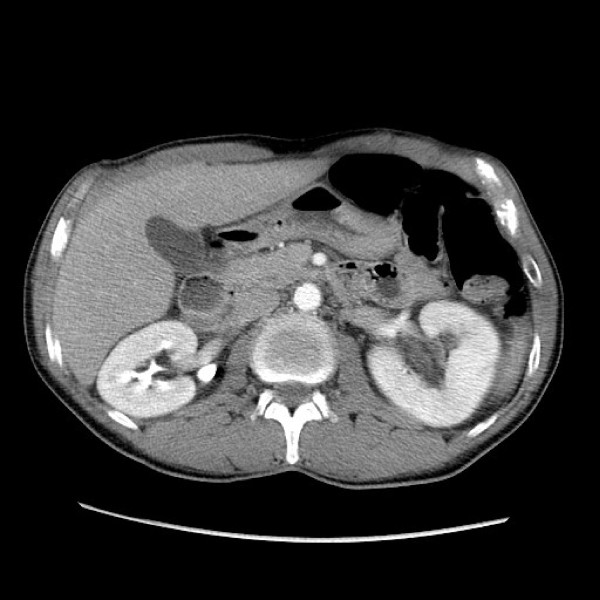
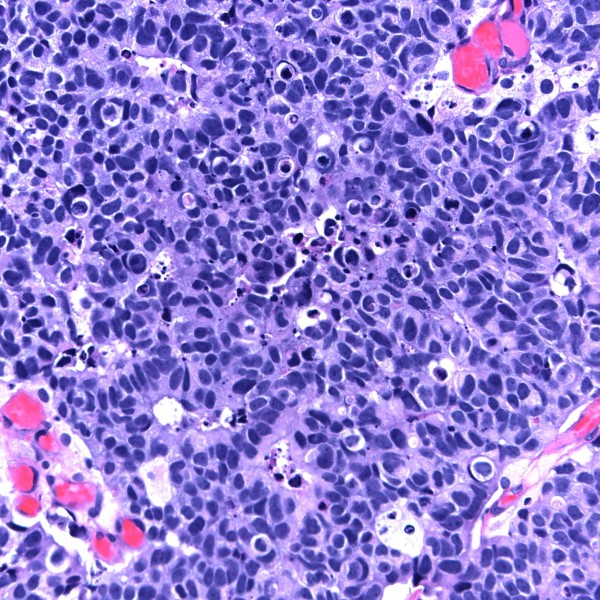
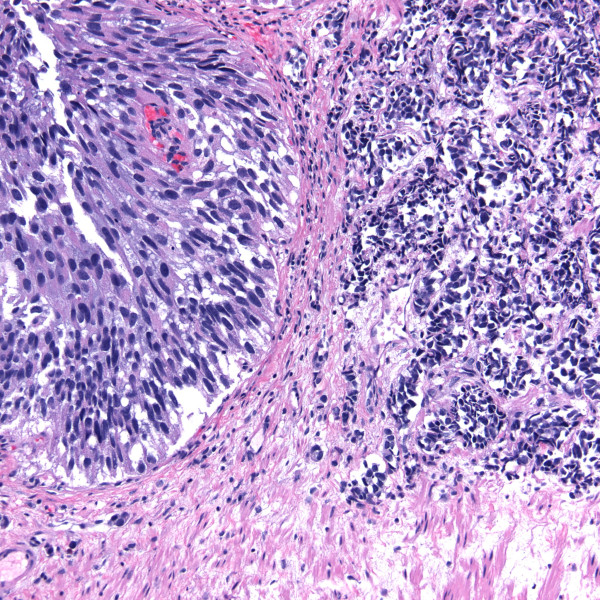
Results: Eleven patients were identified with a median age of 55 years (range, 33-67). The median CD4+ count at cancer diagnosis was 280 cells/mm3 (range, 106-572 cells/mm3). Six patients (55%) had a known risk factor for bladder cancer, and nine (82%) presented with hematuria. Ten patients had transitional cell carcinoma, and most had superficial disease at presentation. Treatment included mainly transurethral resection of bladder tumor followed by a combination of local and systemic therapies. One patient received intravesical bacillus Calmette-Guèrin (BCG) without complication. Several patients (55%) were alive following therapy, although many (64%) suffered from local relapse and metastatic disease.
Conclusion: Bladder cancer is part of the growing list of cancers that may be encountered in patients living longer with chronic HIV-infection. Our patients presented at a younger age and with only mild immunosuppression, however, they experienced an expected course for their bladder cancer. Hematuria in an HIV-infected patient warrants a complete evaluation.
Figures
References
-
- Clemente Ramos LM, Fernandez Fernandez E, Sanchez-Encinas M, Garcia Gonzalez R, Escudero Barrilero E. Fatal bladder carcinoma in a young man with human immunodeficiency virus. Br J Urol. 1998;82:132–3. - PubMed
-
- Wolf D. HIV-infected patient with macrohematuria. Urothelial carcinoma of the urinary bladder (Article in German) Schweiz Rundsch Med Prax. 2001;90:1159–61. - PubMed
Publication types
MeSH terms
LinkOut - more resources
Full Text Sources
Medical
Research Materials
