Comparative Study
. 2010 Feb 1;79(3):330-8.
doi: 10.1016/j.bcp.2009.09.003. Epub 2009 Sep 6.

Design of curcumin-loaded PLGA nanoparticles formulation with enhanced cellular uptake, and increased bioactivity in vitro and superior bioavailability in vivo

Affiliations
Comparative Study

Design of curcumin-loaded PLGA nanoparticles formulation with enhanced cellular uptake, and increased bioactivity in vitro and superior bioavailability in vivo

Preetha Anand et al. Biochem Pharmacol. .

Retraction in

Abstract

Curcumin, a yellow pigment present in the spice turmeric (Curcuma longa), has been linked with antioxidant, anti-inflammatory, antiproliferative, anticancer, antidiabetic, antirheumatic, and antiviral effects, but its optimum potential is limited by its lack of solubility in aqueous solvents and poor oral bioavailability. We employed a polymer-based nanoparticle approach to improve bioavailability. Curcumin was encapsulated with 97.5% efficiency in biodegradable nanoparticulate formulation based on poly (lactide-co-glycolide) (PLGA) and a stabilizer polyethylene glycol (PEG)-5000. Dynamic laser light scattering and transmission electron microscopy indicated a particle diameter of 80.9 nm. This curcumin, renamed from hereon "as curcumin (NP)", was characterized for its biological activity. In vitro curcumin (NP) exhibited very rapid and more efficient cellular uptake than curcumin. Estrase staining revealed that curcumin (NP) was at least as potent as or more potent than curcumin in inducing apoptosis of leukemic cells and in suppressing proliferation of various tumor cell lines. When examined by electrophoretic gel shift mobility assay, curcumin (NP) was more active than curcumin in inhibiting TNF-induced NF-kappaB activation and in suppression of NF-kappaB-regulated proteins involved in cell proliferation (cyclin D1), invasion (MMP-9), and angiogenesis (VEGF). In mice, curcumin (NP) was more bioavailable and had a longer half-life than curcumin. Overall we demonstrate that curcumin-loaded PLGA nanoparticles formulation has enhanced cellular uptake, and increased bioactivity in vitro and superior bioavailability in vivo over curcumin.


Figures
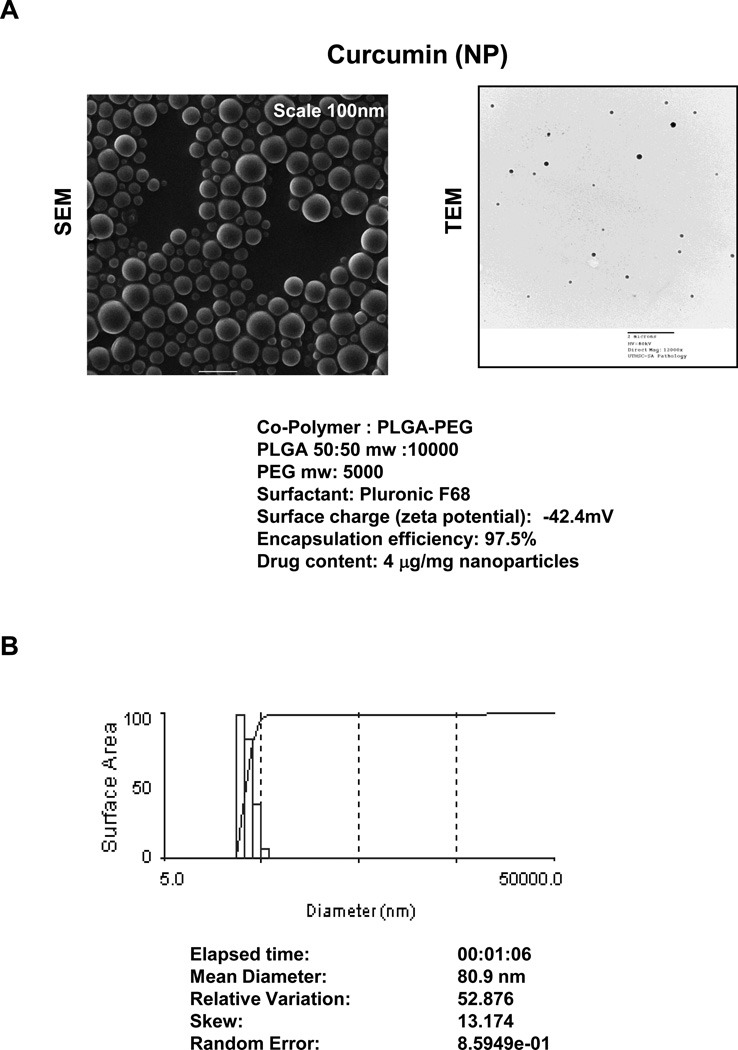
Figure 1
Figure 1
(A) Curcumin (NP) morphology by scanning electron microscopy (SEM) (left panel) and transmission electron microscopy (TEM) (right panel). (B) Curcumin nanoparticle size: The analysis done by photon correlation spectroscopy.
Figure 2
Figure 2
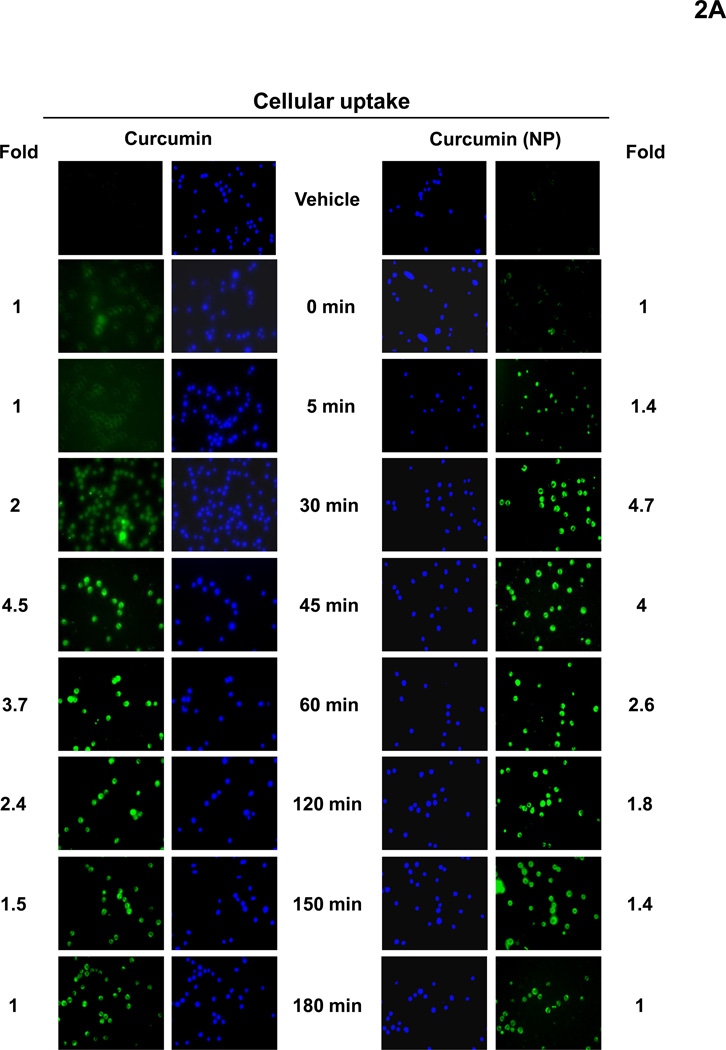
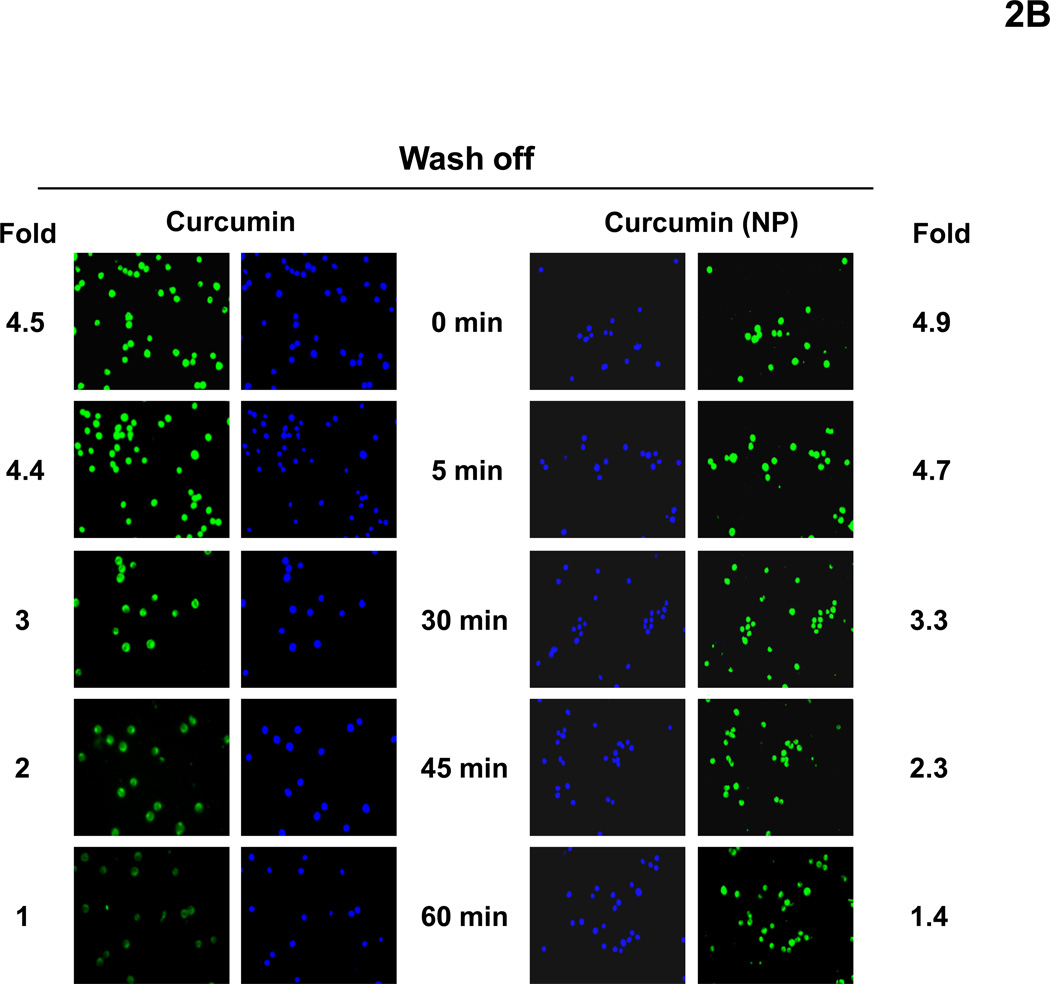
(A) Cellular uptake of curcumin and curcumin (NP). KBM-5 cells were incubated with Hoechst (50 ng/mL) for 30 min, and then washed two times with PBS, resuspended in media and then incubated with 10 µM curcumin or curcumin (NP). The cells were harvested at different time intervals and the cellular uptake (green fluorescence) was monitored by fluorescence microscopy as described in methods. (B) Disappearance of curcumin and curcumin (NP) from the cells stained with Hoechst (50 ng/mL) for 30 min. KBM-5 (1×10⁶) cells were incubated with 10 µM curcumin or curcumin (NP) for 30 min, washed two times with PBS and again incubated at 37°C. The cells were harvested at different time intervals and the cellular uptake was determined by fluorescence microscopy as described in methods.
Figure 2
Figure 2
(A) Cellular uptake of curcumin and curcumin (NP). KBM-5 cells were incubated with Hoechst (50 ng/mL) for 30 min, and then washed two times with PBS, resuspended in media and then incubated with 10 µM curcumin or curcumin (NP). The cells were harvested at different time intervals and the cellular uptake (green fluorescence) was monitored by fluorescence microscopy as described in methods. (B) Disappearance of curcumin and curcumin (NP) from the cells stained with Hoechst (50 ng/mL) for 30 min. KBM-5 (1×10⁶) cells were incubated with 10 µM curcumin or curcumin (NP) for 30 min, washed two times with PBS and again incubated at 37°C. The cells were harvested at different time intervals and the cellular uptake was determined by fluorescence microscopy as described in methods.
Figure 3
Figure 3
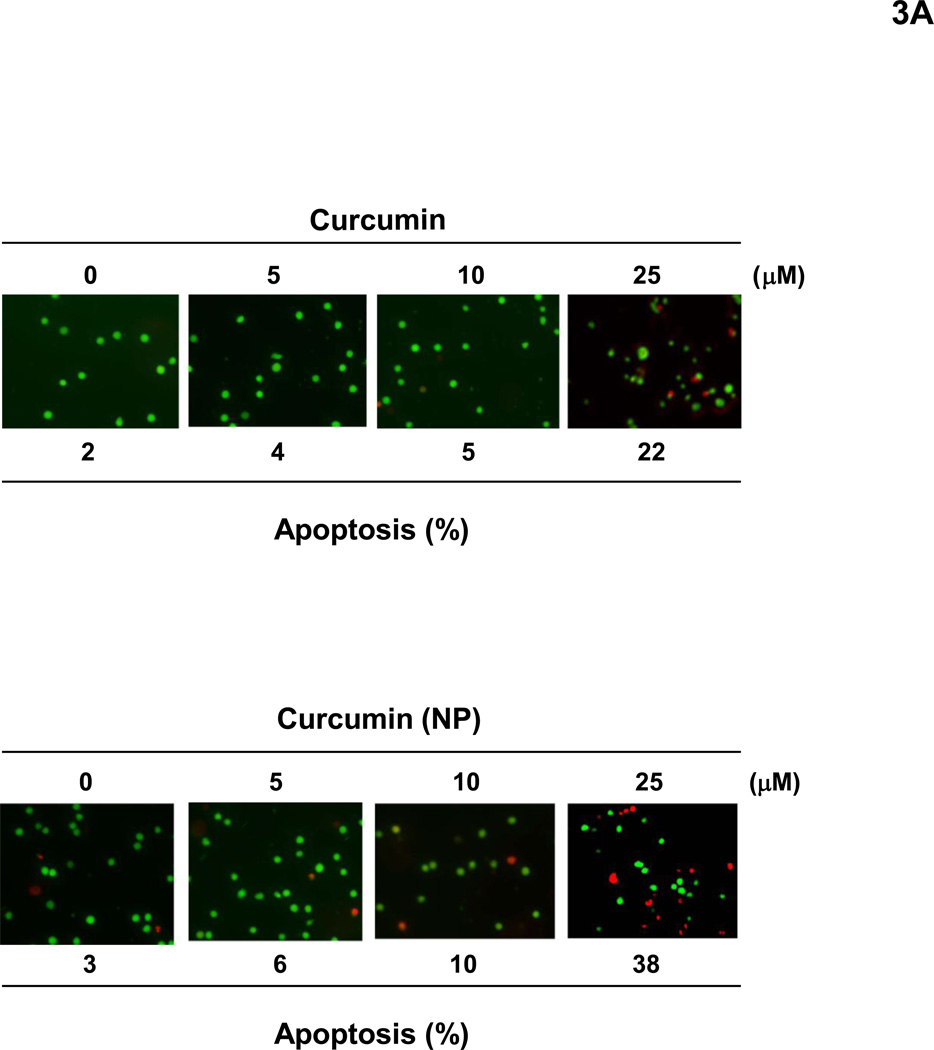
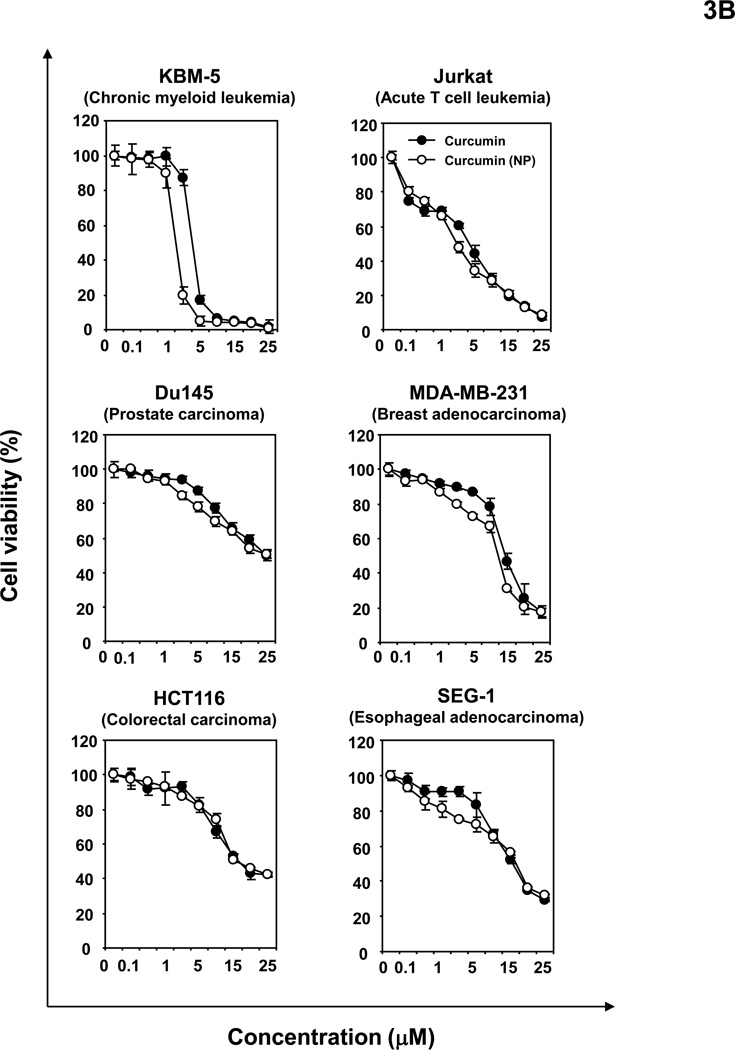
(A) Curcumin (NP) can induce apoptosis of tumor cells. KBM-5 (5000 cells/well) cells were incubated with curcumin or curcumin (NP) in indicated concentrations for 24 h. The cells were harvested and stained with Live/Dead assay reagent as per the manufactures protocol as described in methods. (B) Curcumin (NP) can inhibit proliferation of tumor cells. Human leukemia (KBM-5 and Jurkat), prostate (DU145), breast (MDA-MB-231), colon (HCT116) and esophageal (SEG-1) cancer cells were incubated with different concentrations of either curcumin or curcumin (NP) in for 72 h and then examined for apoptosis by MTT method. All results were expressed with vehicle control as 100%.
Figure 3
Figure 3
(A) Curcumin (NP) can induce apoptosis of tumor cells. KBM-5 (5000 cells/well) cells were incubated with curcumin or curcumin (NP) in indicated concentrations for 24 h. The cells were harvested and stained with Live/Dead assay reagent as per the manufactures protocol as described in methods. (B) Curcumin (NP) can inhibit proliferation of tumor cells. Human leukemia (KBM-5 and Jurkat), prostate (DU145), breast (MDA-MB-231), colon (HCT116) and esophageal (SEG-1) cancer cells were incubated with different concentrations of either curcumin or curcumin (NP) in for 72 h and then examined for apoptosis by MTT method. All results were expressed with vehicle control as 100%.
Figure 4
Figure 4
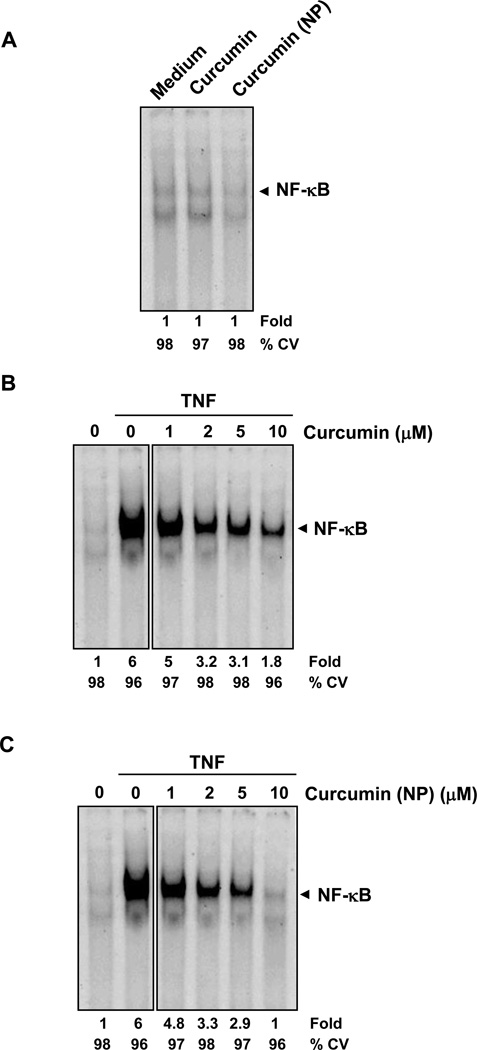
(A) Curcumin or curcumin (NP) do not induce NF-κB activation in KBM-5 cells. KBM-5 (2 × 10⁶) cells were treated with indicated concentrations of curcumin or curcumin (NP) for 4 h. Nuclear extracts were prepared and the NF-κB activity was examined by EMSA. (B and C) Curcumin (NP) is more potent than regular curcumin in inhibiting TNF-induced activation of NF-κB. KBM-5 (2 × 10⁶) cells were treated with indicated concentrations of curcumin or curcumin (NP) for 4 h. The cells were then incubated with TNF 0.1 nM for 30 min and analyzed for NF-κB activity by EMSA. The cytotoxicity was examined using trypan blue exclusion method.
Figure 5
Figure 5
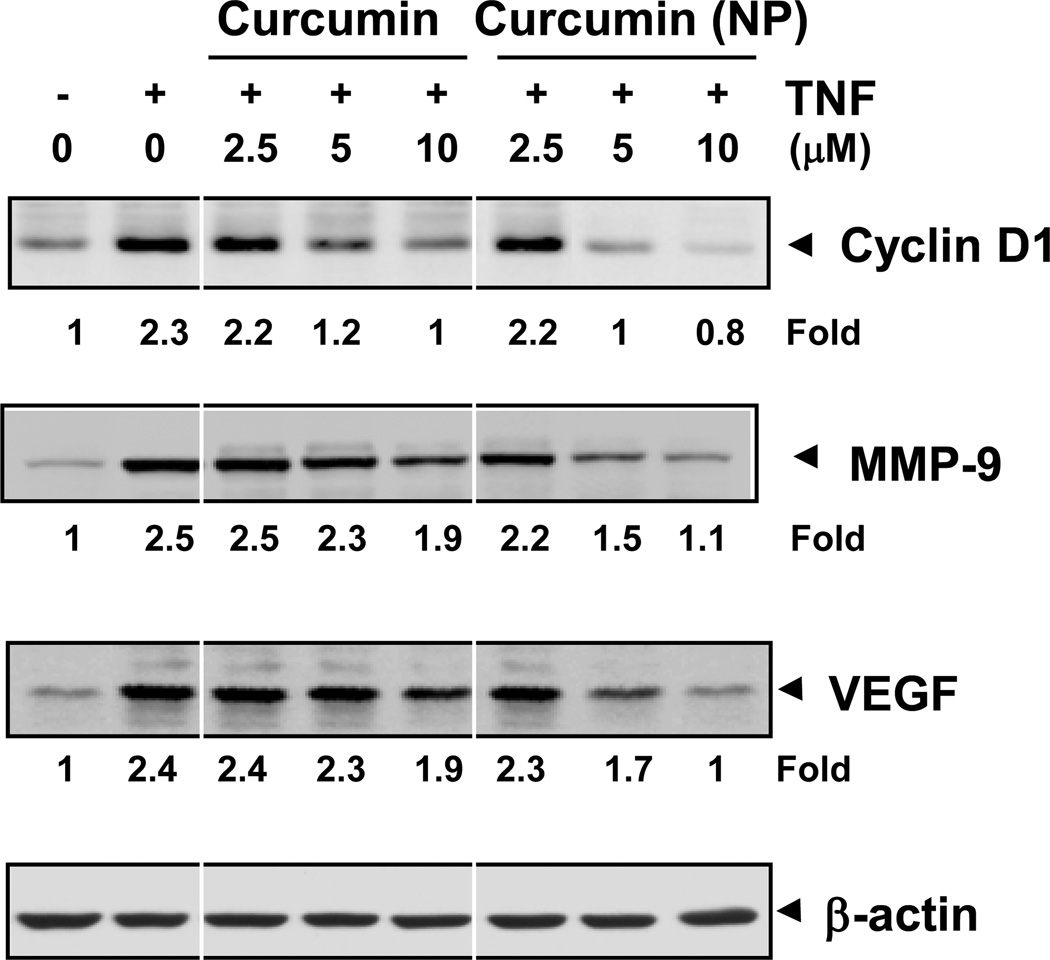
Curcumin (NP) is more potent than curcumin in inhibiting TNF-induced expression of NF-κB-regulated genes. KBM-5 (1 × 10⁶) cells were co-incubated with TNF (1nM) and curcumin or curcumin (NP) (10 µM) for indicated time intervals. The cells were harvested and the expression of cyclin D1, MMP-9, and VEGF analyzed by western blot. β-actin was used as a loading control.
Figure 6
Figure 6
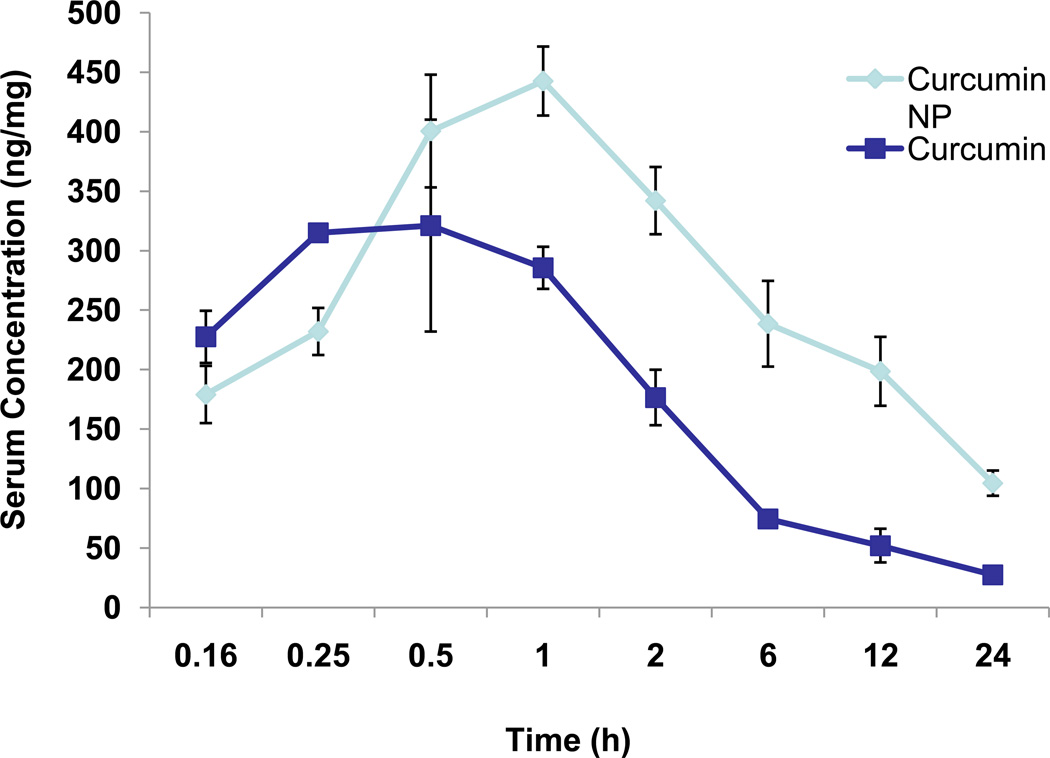
Bioavailability of curcumin and curcumin (NP). The mice were divided into two groups (6 mice in each group), group one was given curcumin and group two was given curcumin (NP). Curcumin and curcumin (NP) were administered intravenously (2.5 mg/kg) and the blood was collected at different time intervals. Serum was separated and the concentration of curcumin and curcumin (NP) were determined by HPLC analysis.

References

    1. Aggarwal BB, Sung B. Pharmacological basis for the role of curcumin in chronic diseases: an age-old spice with modern targets. Trends in pharmacological sciences. 2009;30:85–94. - PubMed
    1. Shishodia S, Sethi G, Aggarwal BB. Curcumin: getting back to the roots. Annals of the New York Academy of Sciences. 2005;1056:206–217. - PubMed
    1. Goel A, Kunnumakkara AB, Aggarwal BB. Curcumin as "Curecumin": from kitchen to clinic. Biochemical pharmacology. 2008;75:787–809. - PubMed
    1. Strimpakos AS, Sharma RA. Curcumin: preventive and therapeutic properties in laboratory studies and clinical trials. Antioxidants & redox signaling. 2008;10:511–545. - PubMed
    1. Kunnumakkara AB, Anand P, Aggarwal BB. Curcumin inhibits proliferation, invasion, angiogenesis and metastasis of different cancers through interaction with multiple cell signaling proteins. Cancer letters. 2008;269:199–225. - PubMed

Publication types