


Ex vivo expanded telomerase-specific T cells are effective in an orthotopic mouse model for pancreatic adenocarcinoma
- PMID: 19737239
- PMCID: PMC2759067
- DOI: 10.1111/j.1365-2249.2009.03935.x
Ex vivo expanded telomerase-specific T cells are effective in an orthotopic mouse model for pancreatic adenocarcinoma
Abstract
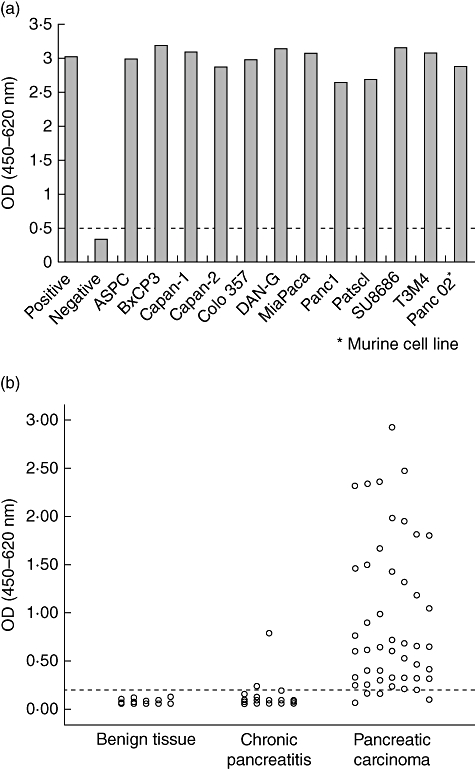
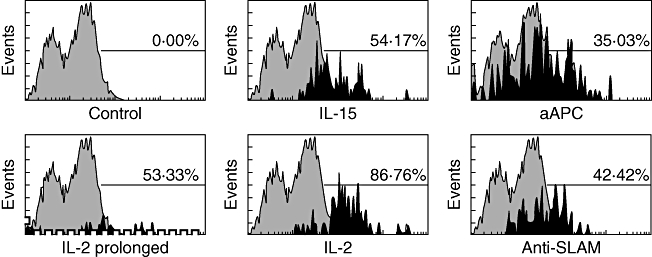
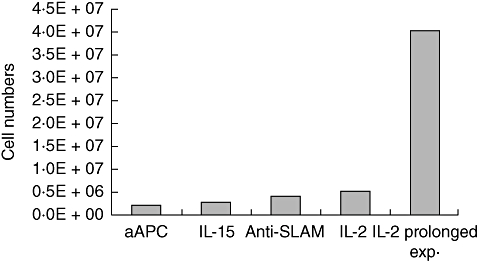
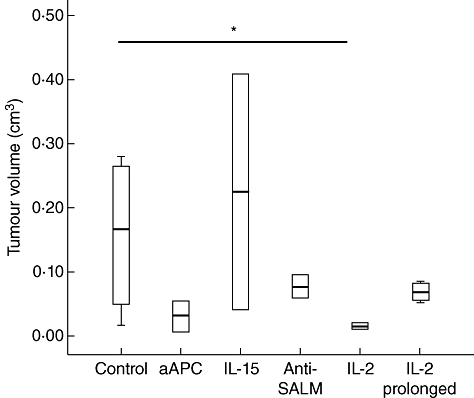
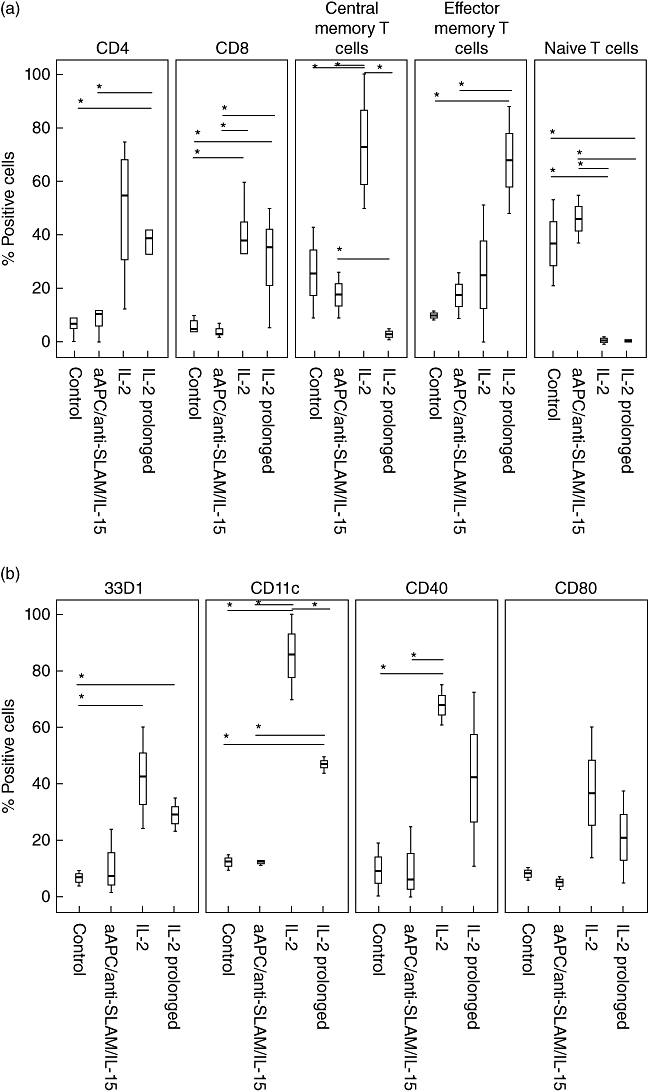
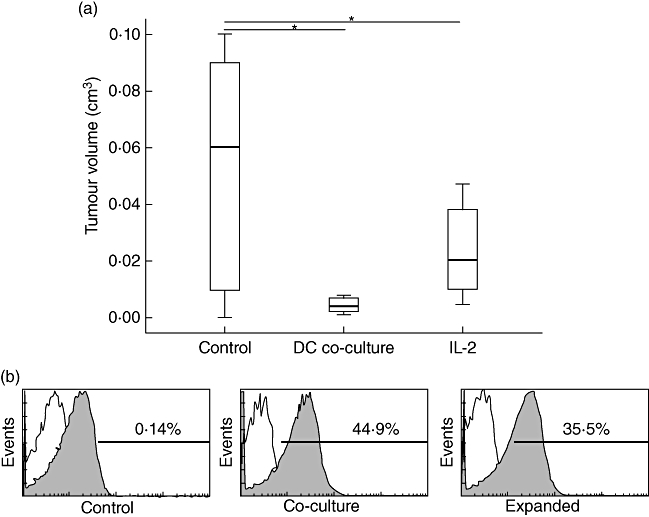
Telomerase activity is over-expressed in nearly all pancreatic carcinomas, but not in chronic pancreatitis. Here, we investigated various protocols for expansion of telomerase-specific T cells for adoptive cell transfer and their use in a syngeneic pancreatic carcinoma mouse model. Telomerase-specific T cells were generated by stimulation of splenocytes from peptide-immunized donor mice with either interleukin (IL)-2, IL-15, artificial antigen-presenting cells, anti-signalling lymphocyte activation molecule (SLAM) microbeads or allogeneic dendritic cells in combination with a limited dilution assay. T cells were tested for antigen specificity in vitro and for anti-tumour activity in syngeneic mice with orthotopically implanted tumours pretreated with cyclophosphamide. The immune cells from recipients were immunophenotyped. During a period of 2 weeks, the expansion approach using IL-2 was very successful in generating a high number of telomerase-specific CD8(+) T cells without losing their function after adoptive cell transfer. Significantly slower tumour growth rate and less metastasis were observed after adoptively transferring telomerase specific CD8(+) T cells, expanded using IL-2. Further investigations showed that anti-tumour efficacy was associated with a significant shift from naive CD8(+) T cells to CD8(+) central memory T cells, as well as recruitment of a high number of dendritic cells. Remarkable amounts of telomerase-specific T cells were detectable in the tumour. Generation of telomerase-specific T cells is feasible, whereat IL-2-based protocols seemed to be most effective and efficient. Antigen-specific T cells showed significant cytotoxic activity in a syngeneic, orthotopic mouse model, whereas central memory T cells but not effector memory T cells appear to be of high importance.
Figures
References
-
- Raraty MG, Magee CJ, Ghaneh P, Neoptolemos JP. New techniques and agents in the adjuvant therapy of pancreatic cancer. Acta Oncol. 2002;41:582–95. - PubMed
-
- Picozzi VJ, Kozarek RA, Traverso LW. Interferon-based adjuvant chemoradiation therapy after pancreaticoduodenectomy for pancreatic adenocarcinoma. Am J Surg. 2003;185:476–80. - PubMed
-
- Jaffee EM, Hruban RH, Biedrzycki B, et al. Novel allogeneic granulocyte–macrophage colony-stimulating factor-secreting tumor vaccine for pancreatic cancer: a phase I trial of safety and immune activation. J Clin Oncol. 2001;19:145–56. - PubMed
Publication types
MeSH terms
Substances
LinkOut - more resources
Full Text Sources
Medical
Research Materials
