


Mechanisms of obesity and related pathologies: the macro- and microcirculation of adipose tissue
- PMID: 19754873
- PMCID: PMC2896500
- DOI: 10.1111/j.1742-4658.2009.07303.x
Mechanisms of obesity and related pathologies: the macro- and microcirculation of adipose tissue
Abstract
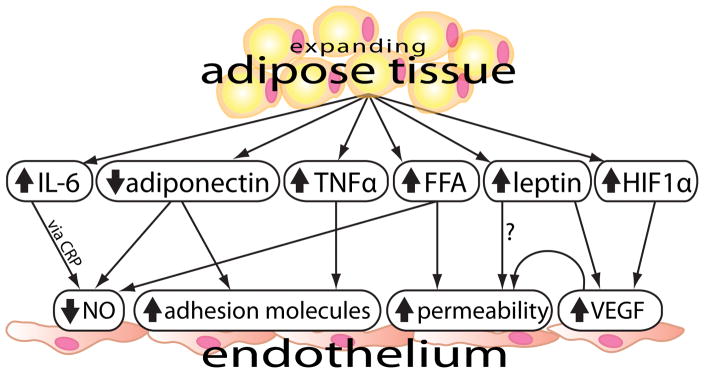
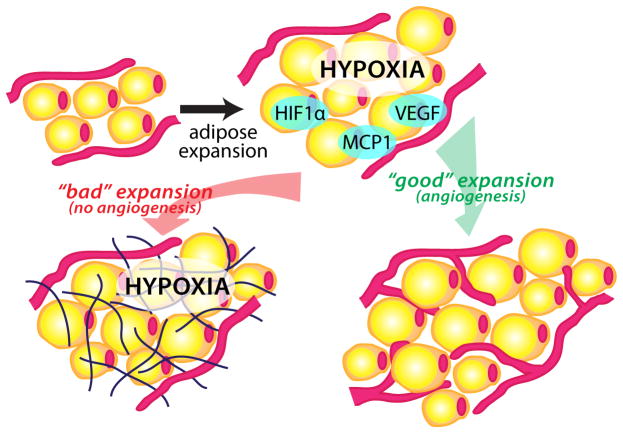
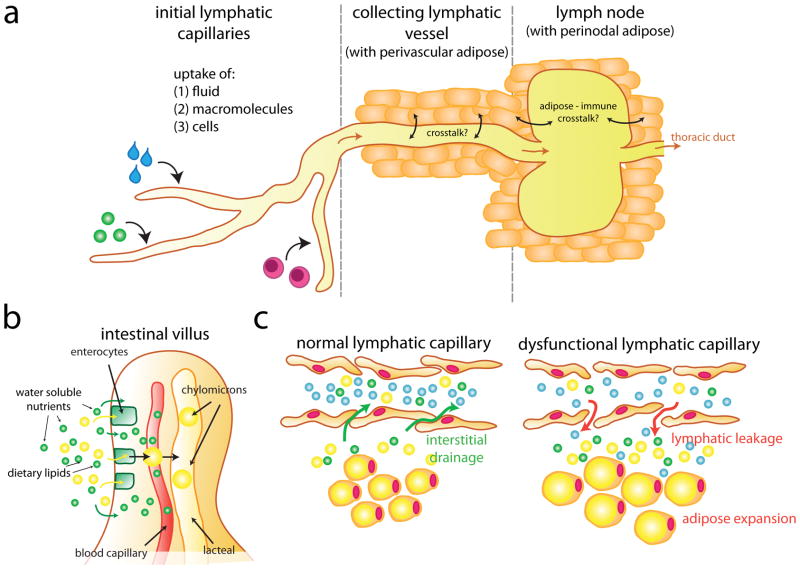
Adipose tissue is an endocrine organ made up of adipocytes, various stromal cells, resident and infiltrating immune cells, and an extensive endothelial network. Adipose secretory products, collectively referred to as adipokines, have been identified as contributors to the negative consequences of adipose tissue expansion that include cardiovascular disease, diabetes and cancer. Systemic blood circulation provides transport capabilities for adipokines and fuels for proper adipose tissue function. Adipose tissue microcirculation is heavily impacted by adipose tissue expansion, some adipokines can induce endothelial dysfunction, and angiogenesis is necessary to counter hypoxia arising as a result of tissue expansion. Tumors, such as invasive lesions in the mammary gland, co-opt the adipose tissue microvasculature for local growth and metastatic spread. Lymphatic circulation, an area that has received little metabolic attention, provides an important route for dietary and peripheral lipid transport. We review adipose circulation as a whole and focus on the established and potential interplay between adipose tissue and the microvascular endothelium.
Figures
References
-
- Rajala MW, Scherer PE. Minireview: The adipocyte--at the crossroads of energy homeostasis, inflammation, and atherosclerosis. Endocrinology. 2003;144:3765–3773. - PubMed
-
- Chudek J, Wiecek A. Adipose tissue, inflammation and endothelial dysfunction. Pharmacol Rep. 2006;58(Suppl):81–88. - PubMed
-
- Haffner SM. Abdominal adiposity and cardiometabolic risk: do we have all the answers? Am J Med. 2007;120:S10–16. discussion S16–17. - PubMed
Publication types
MeSH terms
Substances
Grants and funding
LinkOut - more resources
Full Text Sources
Other Literature Sources
Medical
