


How does stigma "get under the skin"?: the mediating role of emotion regulation
- PMID: 19765237
- PMCID: PMC3687354
- DOI: 10.1111/j.1467-9280.2009.02441.x
How does stigma "get under the skin"?: the mediating role of emotion regulation
Abstract
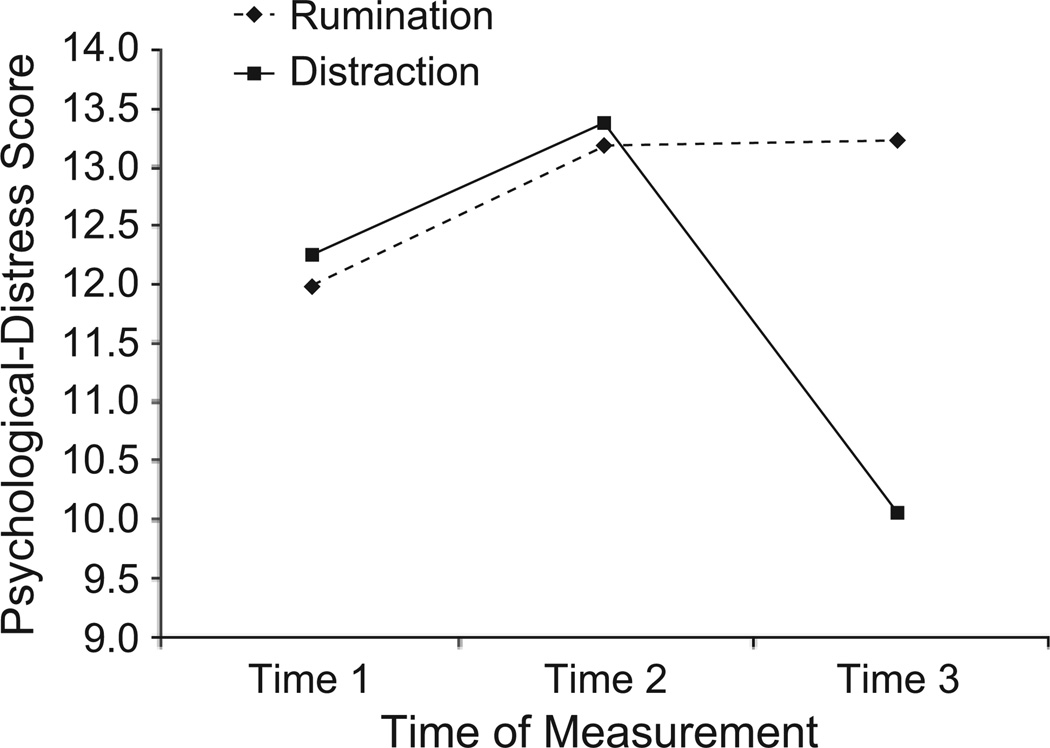
Stigma is a risk factor for mental health problems, but few studies have considered how stigma leads to psychological distress. The present research examined whether specific emotion-regulation strategies account for the stigma-distress association. In an experience-sampling study, rumination and suppression occurred more on days when stigma-related stressors were reported than on days when these stressors were not reported, and rumination mediated the relationship between stigma-related stress and psychological distress. The effect of social support on distress was moderated by the concealability of the stigma: Lesbian, gay, and bisexual (LGB) respondents reported more isolation and less social support than African American respondents subsequent to experiencing stigma-related stressors, whereas African Americans reported greater social support than LGB participants. Social isolation mediated the stigma-distress association among LGB respondents. In a second experimental study, participants who ruminated following the recall of an autobiographical discrimination event exhibited prolonged distress on both implicit and explicit measures relative to participants who distracted themselves; this finding provides support for a causal role of rumination in the stigma-distress relationship.
Figures
References
-
- Baron RM, Kenny DA. The moderator-mediator variable distinction in social psychological research: Conceptual, strategic and statistical considerations. Journal of Personality and Social Psychology. 1986;51:1173–1182. - PubMed
-
- Branscombe NR, Ellemers N. Coping with group-based discrimination: Individualistic versus group-level strategies. In: Swim JK, Stangor C, editors. Prejudice: The target’s perspective. San Diego, CA: Academic Press; 1998. pp. 243–266.
-
- Brownell KD, Puhl R, Schwartz MB, Rudd R. Weight bias: Nature, consequences, and remedies. New York: Guilford; 2005.
-
- Contrada RJ, Ashmore RD, Gary ML, Coups E, Egeth J, Sewell A, et al. Ethnicity-related sources of stress and their effects on well-being. Current Directions in Psychological Science. 2000;9:137–139.
-
- Crocker J, Major B, Steele C. Social stigma. In: Gilbert D, Fiske ST, Lindzey G, editors. Handbook of social psychology. 4th ed. Boston: McGraw-Hill; 1998. pp. 504–553.
Publication types
MeSH terms
Grants and funding
LinkOut - more resources
Full Text Sources
Medical
