


The syndrome of inherited partial SBP2 deficiency in humans
- PMID: 19769464
- PMCID: PMC2864657
- DOI: 10.1089/ars.2009.2892
The syndrome of inherited partial SBP2 deficiency in humans
Abstract
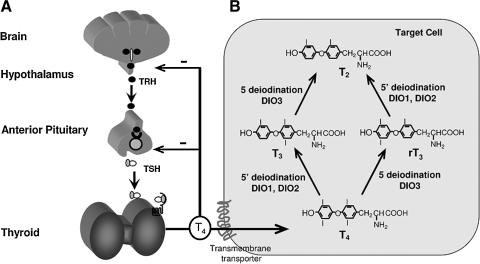
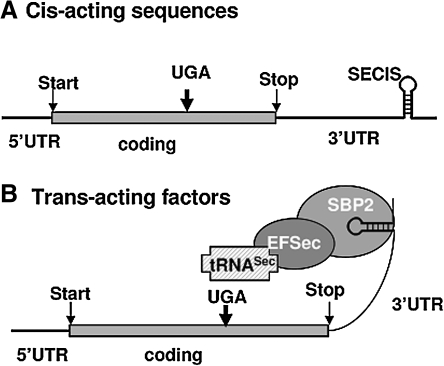
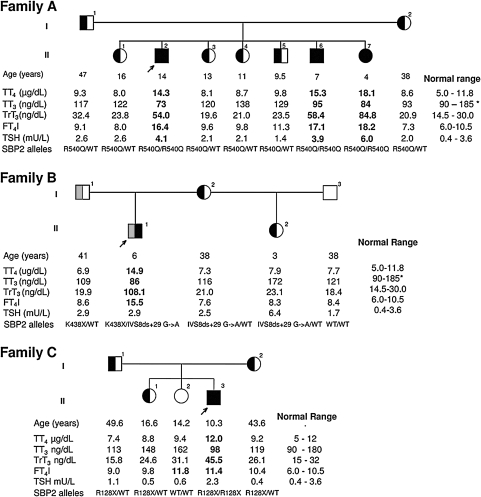
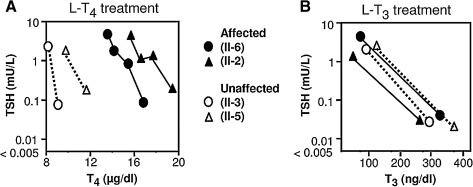
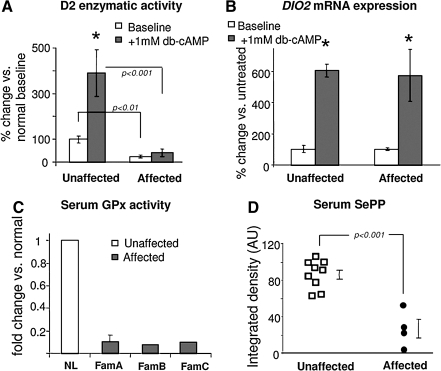
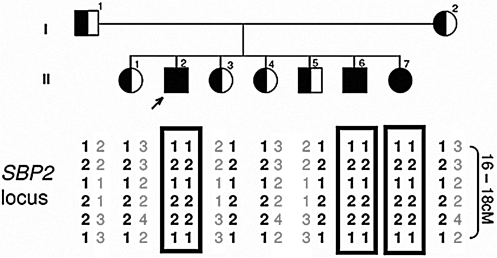
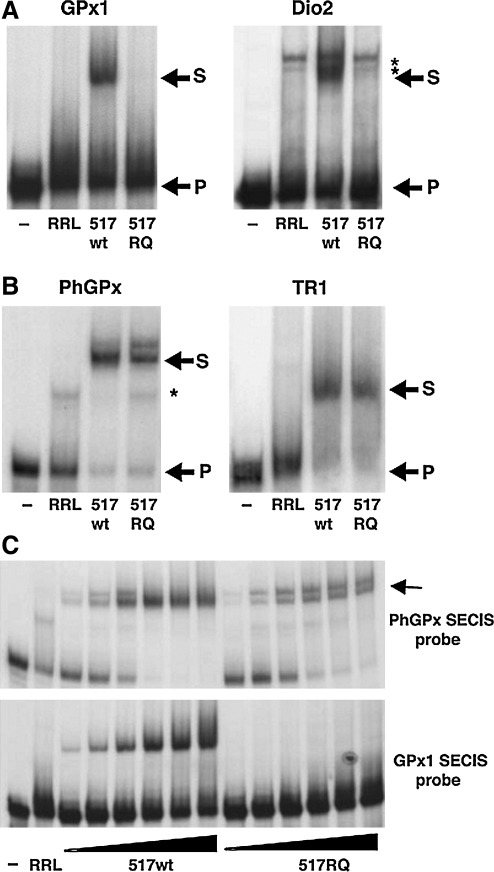
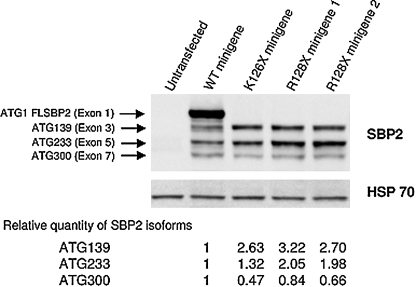
Selenium (Se) is an essential trace element required for the biosynthesis of selenoproteins. Selenocysteine insertion sequence (SECIS) binding protein 2 (SBP2) represents a key trans-acting factor for the co-translational insertion of selenocysteine into selenoproteins. In 2005, we reported the first mutations in the SBP2 gene in two families in which the probands presented with transient growth retardation associated with abnormal thyroid function tests. Intracellular metabolism of thyroid hormone (TH) and availability of the active hormone, triiodothyronine, is regulated by three selenoprotein iodothyronine deiodinases (Ds). While acquired changes in D activities are common, inherited defects in humans were not known. Affected children were either homozygous or compound heterozygous for SBP2 mutations. Other selenoproteins, glutathione peroxidase, and selenoprotein P were also reduced in affected subjects. Since our initial report, another family manifesting a similar phenotype was found to harbor a novel SBP2 mutation. In vivo studies of these subjects have explored the effects of Se and TH supplementation. In vitro experiments have provided new insights into the effect of SBP2 mutations. In this review we discuss the clinical presentation of SBP2 mutations, their effect on protein function, consequence for selenoproteins, and the clinical course of subjects with SBP2 defects.
Figures
References
-
- Balazs AE. Athanassaki I. Gunn SK. Tatevian N. Huang SA. Haymond MW. Karaviti LP. Rapid resolution of consumptive hypothyroidism in a child with hepatic hemangioendothelioma following liver transplantation. Ann Clin Lab Sci. 2007;37:280–284. - PubMed
-
- Baqui MM. Gereben B. Harney JW. Larsen PR. Bianco AC. Distinct subcellular localization of transiently expressed types 1 and 2 iodothyronine deiodinases as determined by immunofluorescence confocal microscopy. Endocrinology. 2000;141:4309–4312. - PubMed
-
- Bessho K. Etani Y. Ichimori H. Miyoshi Y. Namba N. Yoneda A. Ooue T. Chihara T. Morii E. Aoki T. Murakami M. Mushiake S. Ozono K. Increased type 3 iodothyronine deiodinase activity in a regrown hepatic hemangioma with consumptive hypothyroidism. Eur J Pediatr. 2009 June 23 [Epub ahead of print]. - PubMed
Publication types
MeSH terms
Substances
Grants and funding
LinkOut - more resources
Full Text Sources
