


Wideband acoustic-reflex test in a test battery to predict middle-ear dysfunction
- PMID: 19772907
- PMCID: PMC3694582
- DOI: 10.1016/j.heares.2009.09.008
Wideband acoustic-reflex test in a test battery to predict middle-ear dysfunction
Abstract
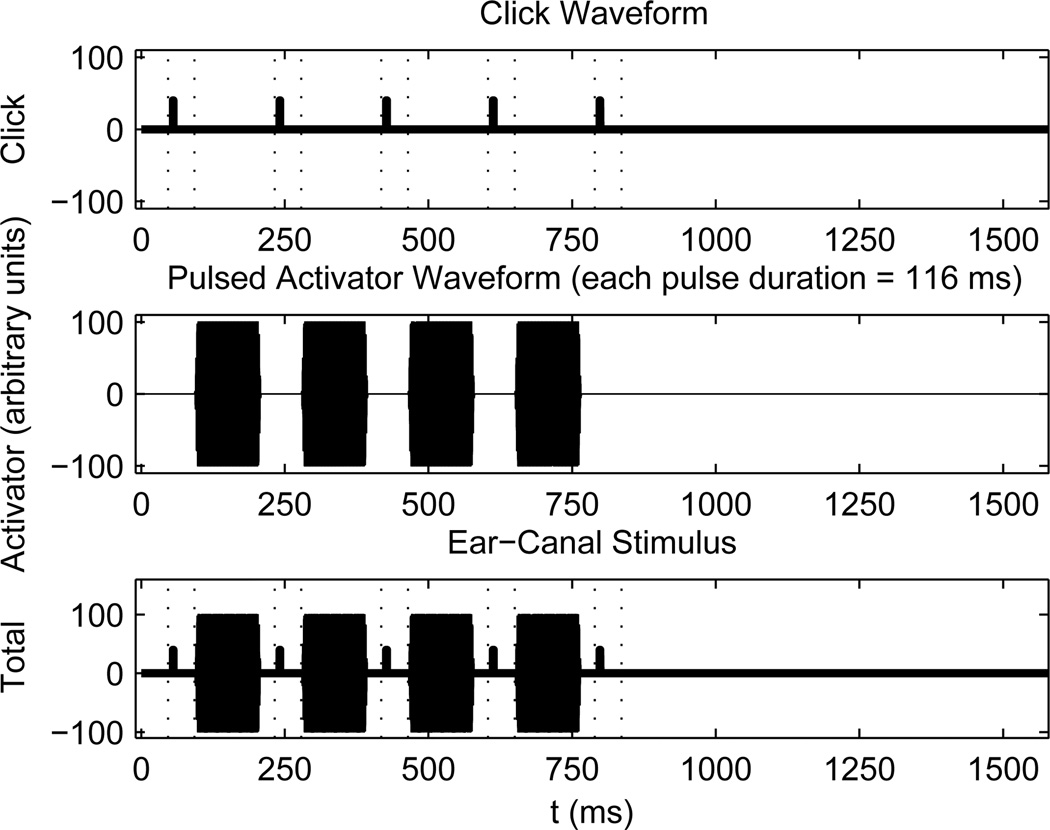
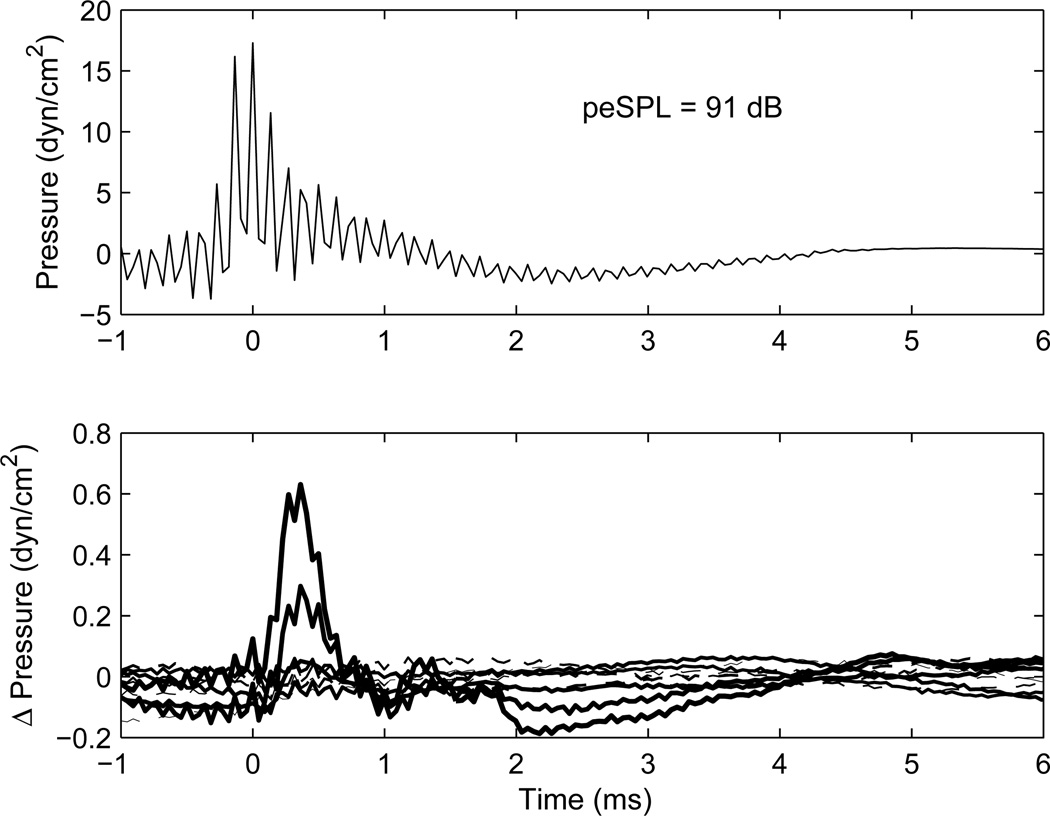
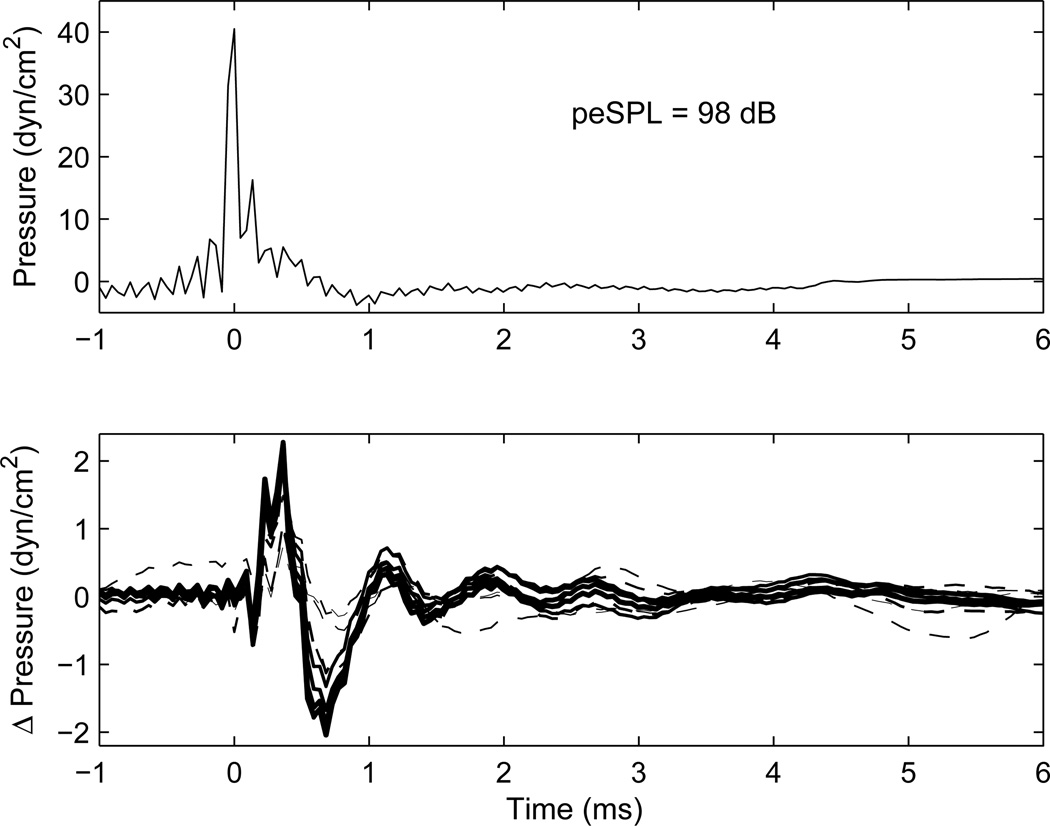
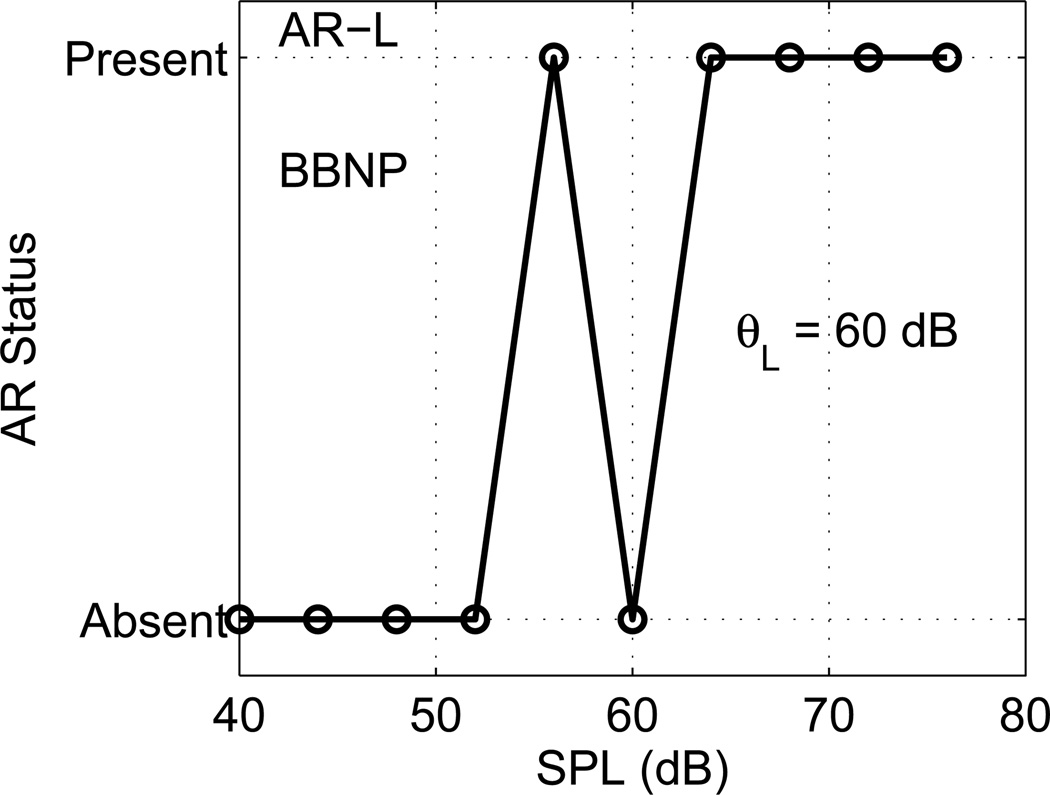
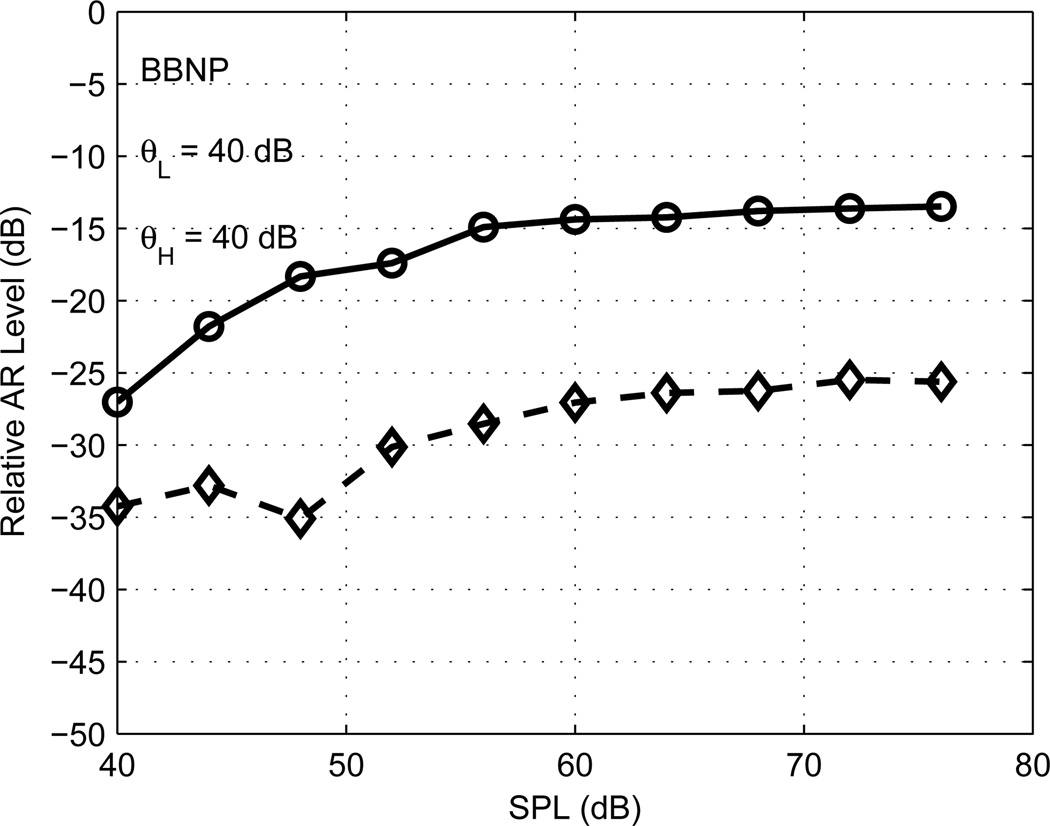
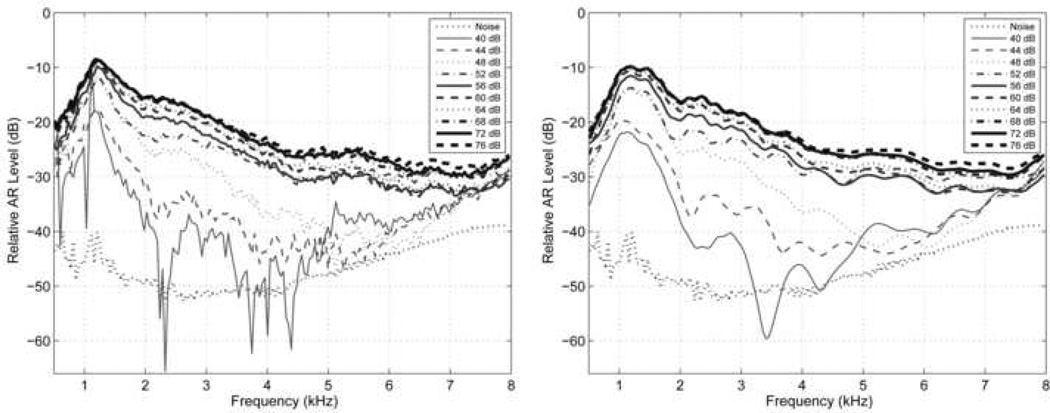
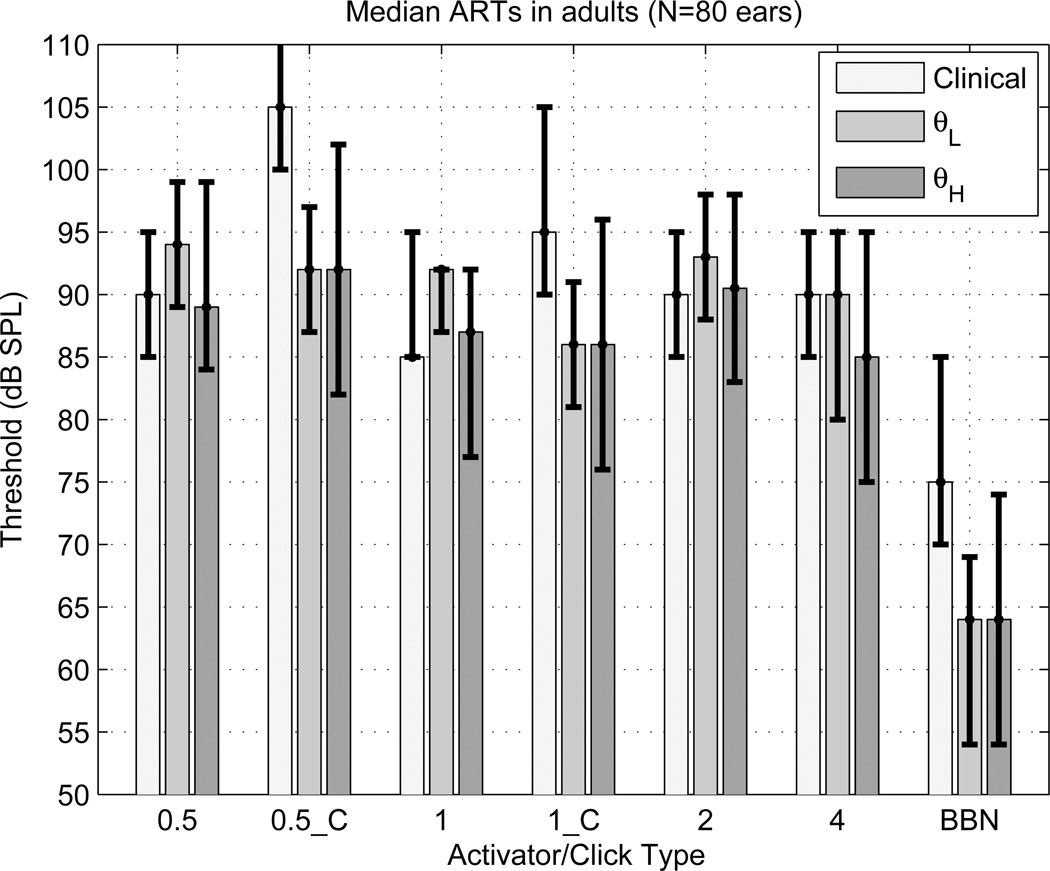
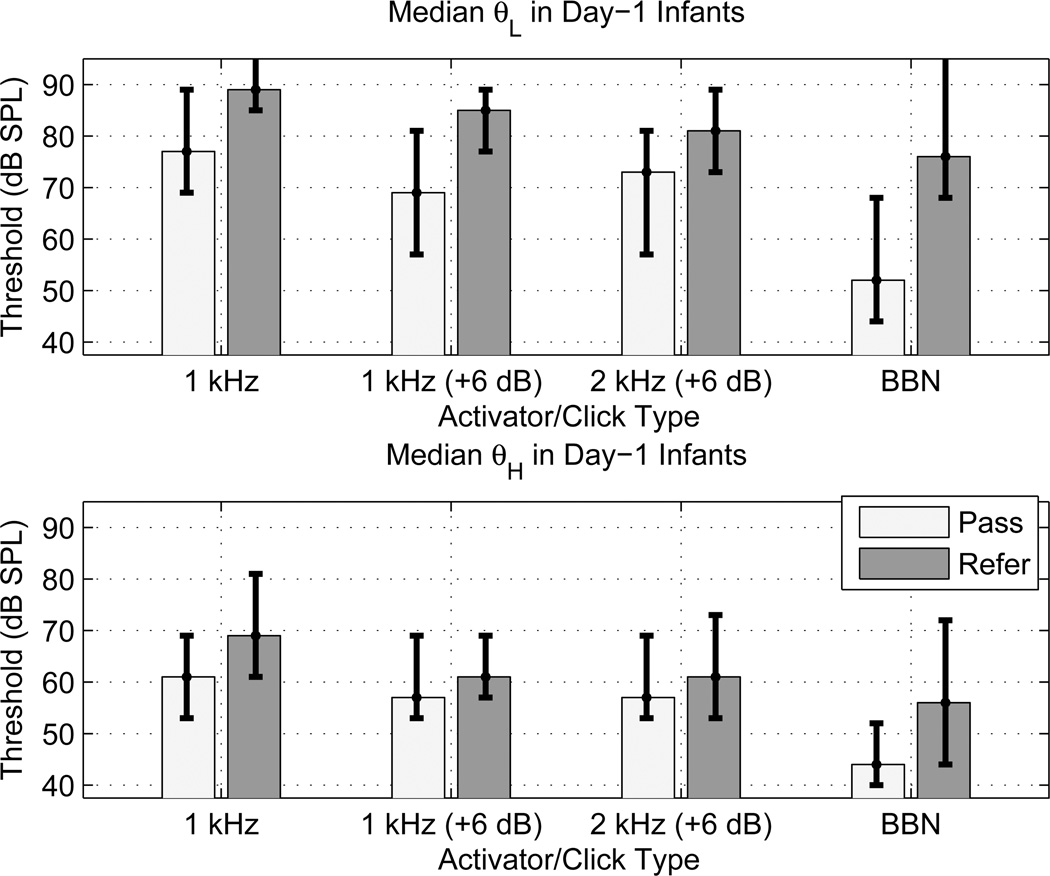
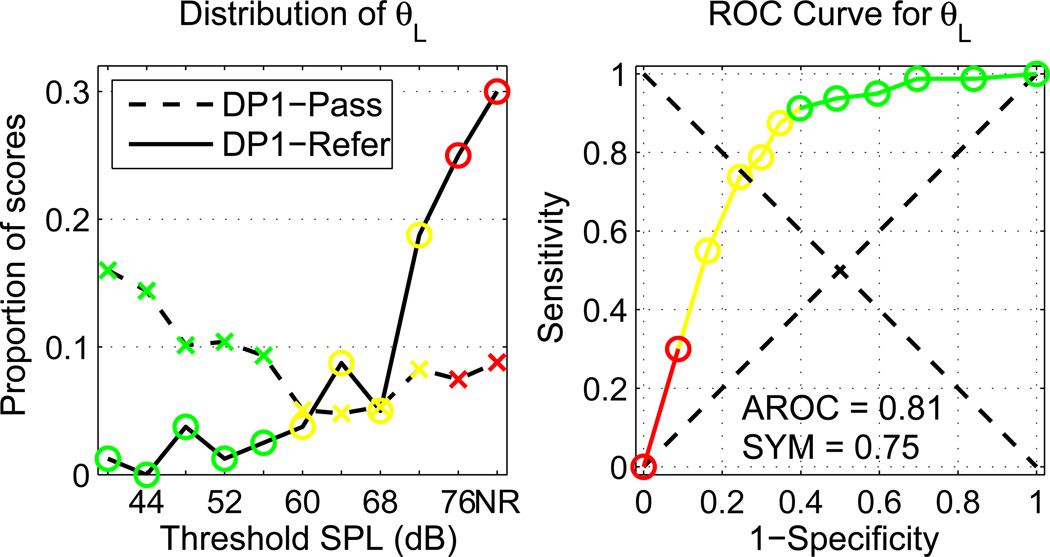
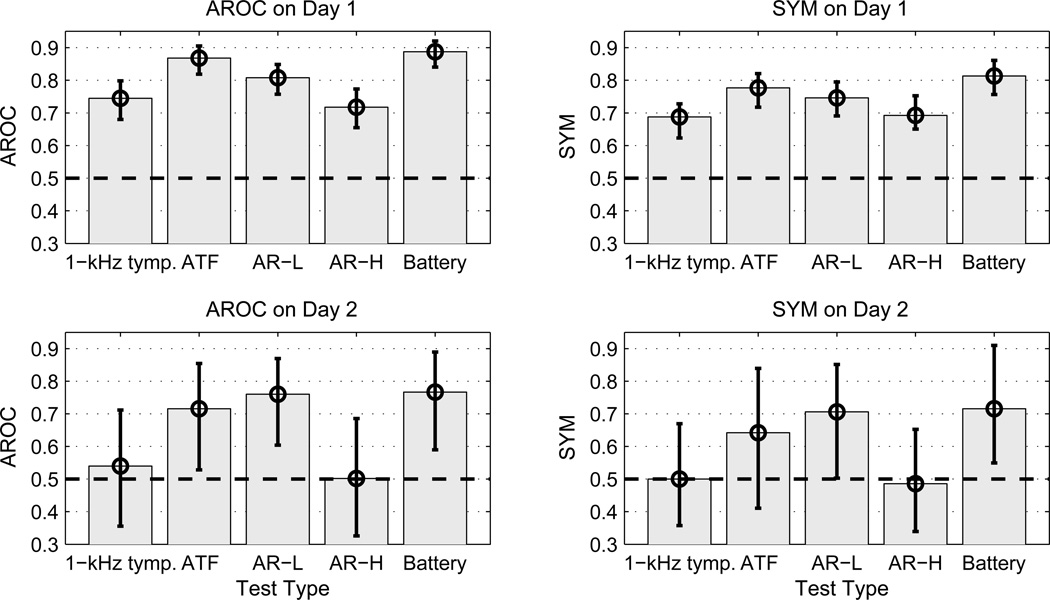
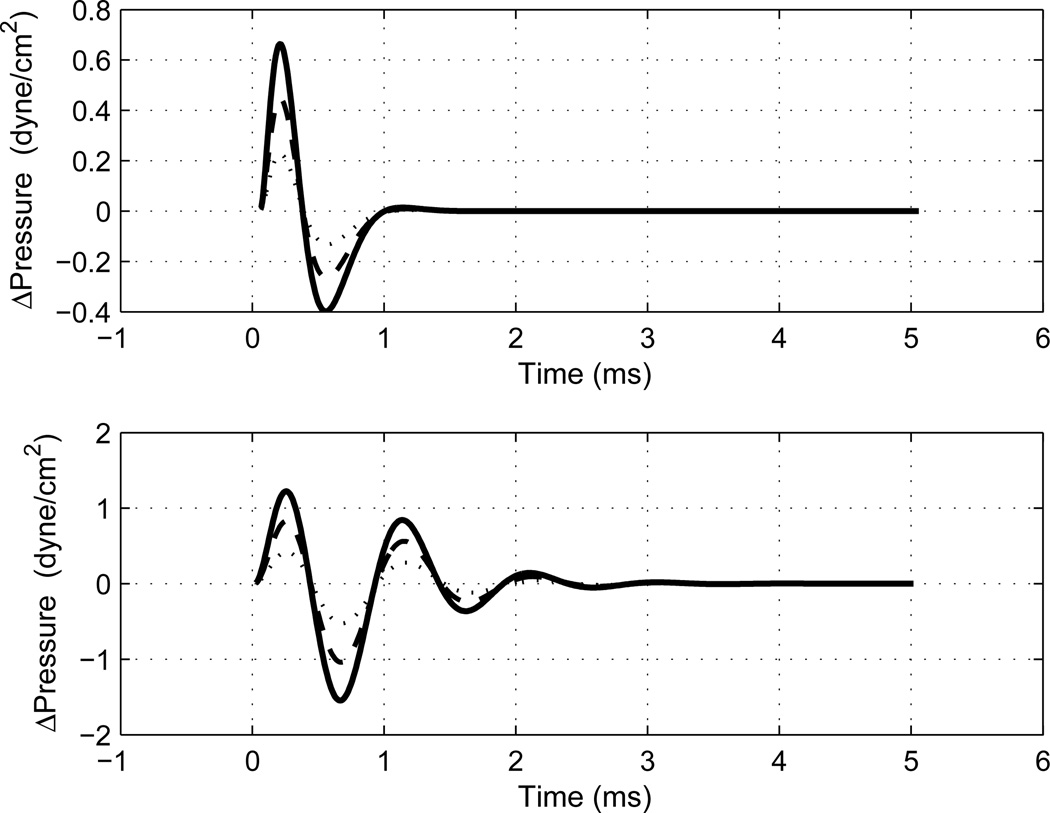
A wideband (WB) aural acoustical test battery of middle-ear status, including acoustic-reflex thresholds (ARTs) and acoustic-transfer functions (ATFs, i.e., absorbance and admittance) was hypothesized to be more accurate than 1-kHz tympanometry in classifying ears that pass or refer on a newborn hearing screening (NHS) protocol based on otoacoustic emissions. Assessment of middle-ear status may improve NHS programs by identifying conductive dysfunction and cases in which auditory neuropathy exists. Ipsilateral ARTs were assessed with a stimulus including four broadband-noise or tonal activator pulses alternating with five clicks presented before, between and after the pulses. The reflex shift was defined as the difference between final and initial click responses. ARTs were measured using maximum likelihood both at low frequencies (0.8-2.8 kHz) and high (2.8-8 kHz). The median low-frequency ART was elevated by 24 dB in NHS refers compared to passes. An optimal combination of ATF and ART tests performed better than either test alone in predicting NHS outcomes, and WB tests performed better than 1-kHz tympanometry. Medial olivocochlear efferent shifts in cochlear function may influence ARs, but their presence would also be consistent with normal conductive function. Baseline clinical and WB ARTs were also compared in ipsilateral and contralateral measurements in adults.
Copyright (c) 2009 Elsevier B.V. All rights reserved.
Figures
References
-
- Abdala C, Keefe DH. Effects of middle-ear immaturity on distortion-product otoacoustic emission suppression tuning in infant ears. J. Acoust. Soc. Am. 2006;120:3832–3842. - PubMed
-
- Bennett MJ, Weatherby LA. Newborn acoustic reflexes to noise and pure-tone signals. J. Speech Hear. Res. 1982;25:383–387. - PubMed
-
- Berlin CI, Hood LJ, Morlet T, Wilensky D, St. John P, Montgomery E, Thibodaux M. Absent or elevated middle ear muscle reflexes in the presence of normal otoacoustic emissions: a universal finding in 136 cases of auditory neuropathy/dys- synchrony. J. Am. Acad. Audiol. 2005;16:546–53. - PubMed
-
- Feeney M, Keefe DH. Acoustic reflex detection using wide-band acoustic reflectance, admittance, and power. J. Speech Lang. Hear. Res. 1999;42:1029–1041. - PubMed
Publication types
MeSH terms
Grants and funding
LinkOut - more resources
Full Text Sources
Medical
Miscellaneous
