


Repeated bouts of aerobic exercise enhance regulatory T cell responses in a murine asthma model
- PMID: 19781626
- PMCID: PMC2787986
- DOI: 10.1016/j.bbi.2009.09.011
Repeated bouts of aerobic exercise enhance regulatory T cell responses in a murine asthma model
Abstract
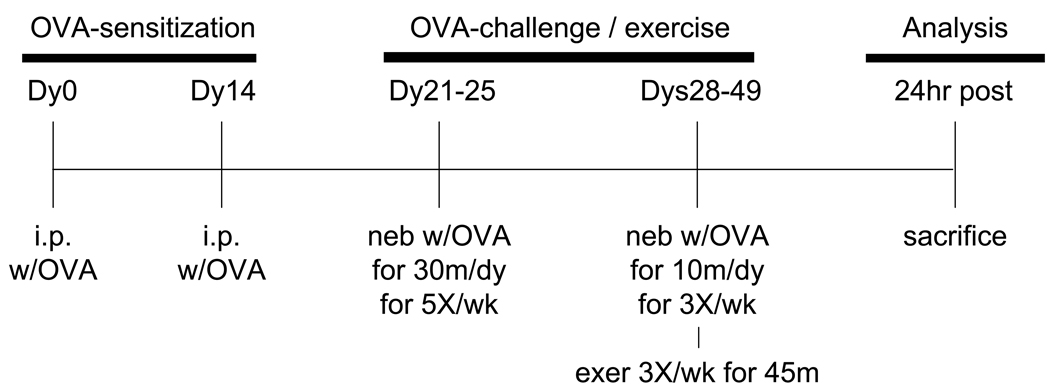
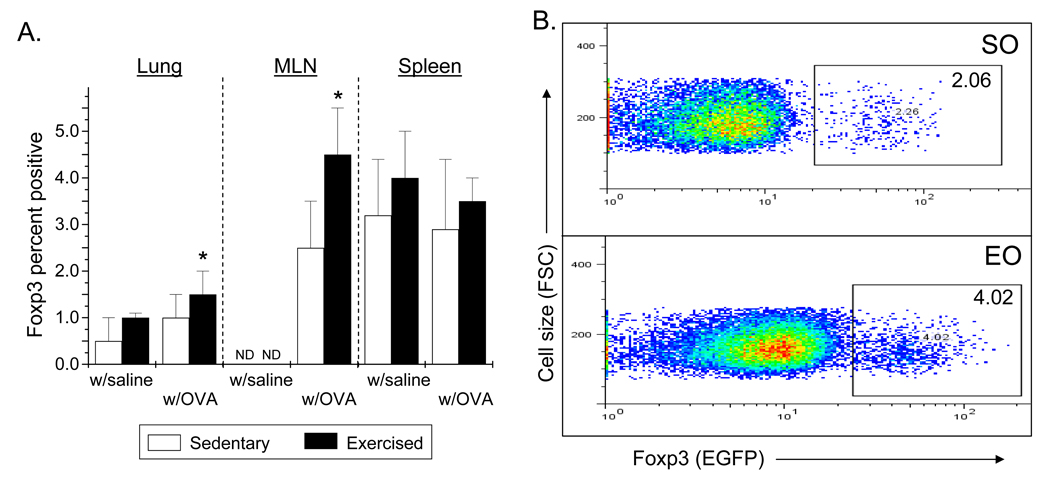
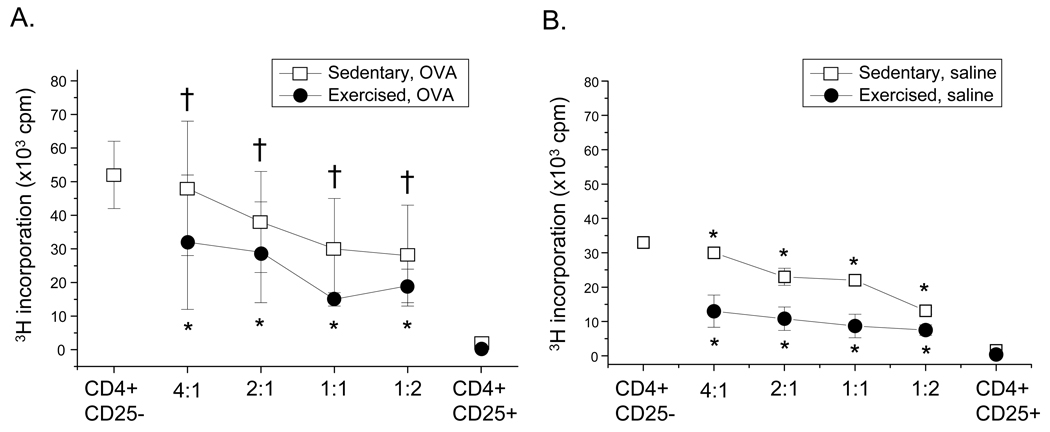
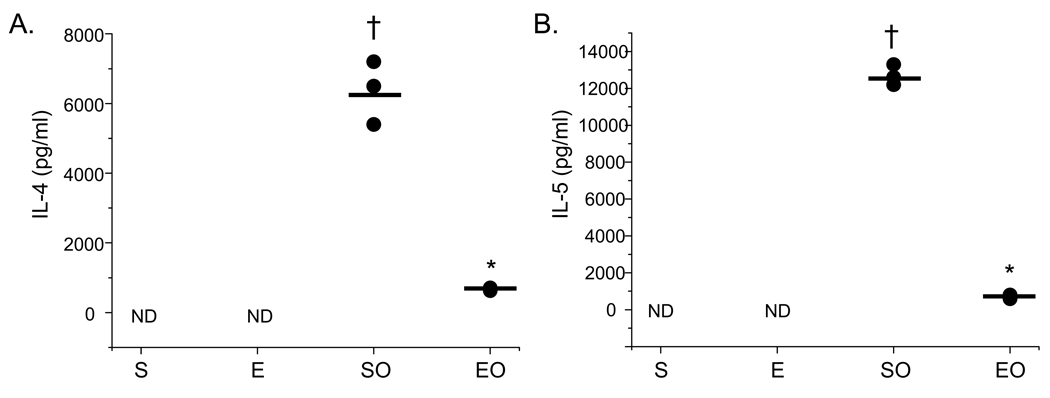
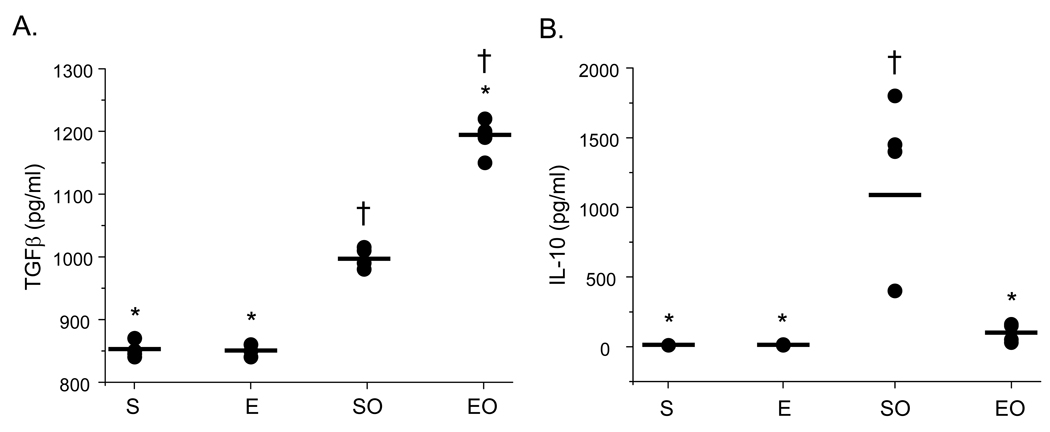
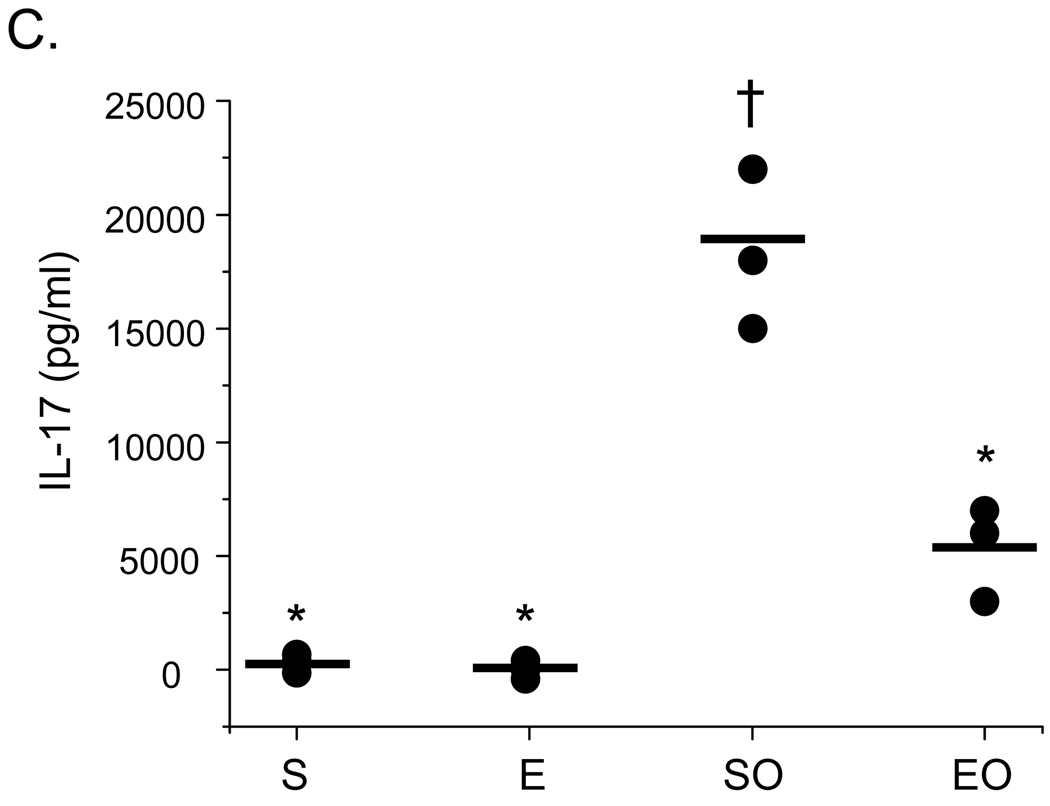
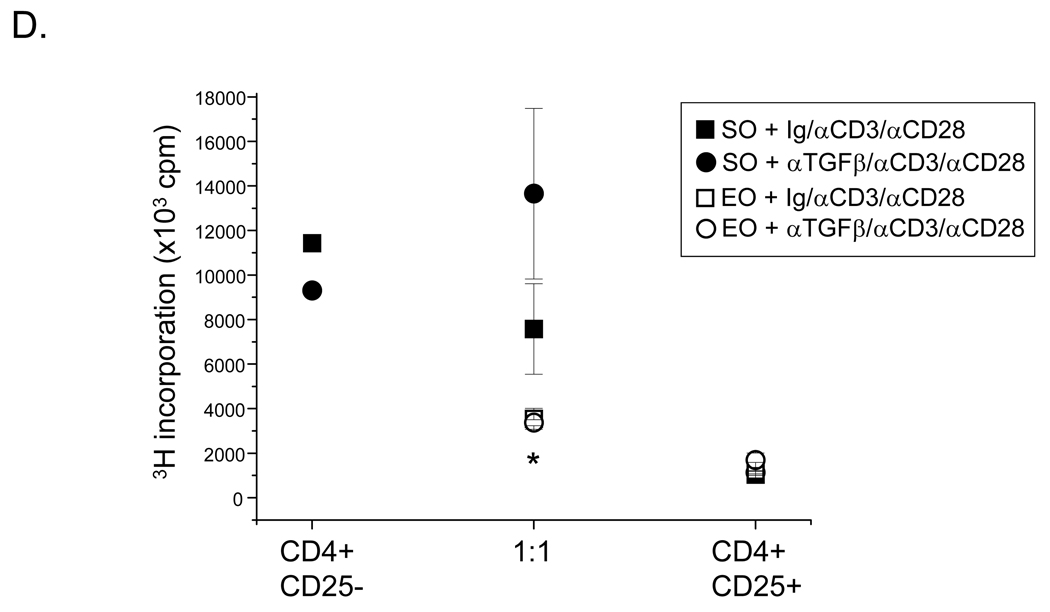
We have reported previously that moderate intensity aerobic exercise training attenuates airway inflammation in a murine asthma model. Recent studies implicate regulatory T (Treg) cells in decreasing asthma-related airway inflammation; as such, the current study examined the effect of exercise on Treg cell function in a murine asthma model. Mice were sensitized with ovalbumin (OVA) prior to the start of exercise training at a moderate intensity 3x/week for 4weeks; exercise was performed as treadmill running (13.5m/min, 0% grade). Mice were OVA challenged repeatedly throughout the exercise protocol. At protocol completion, mice were analyzed for changes in the number and suppressive function of CD4(+)CD25(+)Foxp3(+) cells isolated from lungs, mediastinal lymph nodes, and spleens. Results show that exercise increased significantly the number of Foxp3(+) cells within the lungs and mediastinal lymph nodes, but not the spleens, of OVA-treated mice as compared with sedentary controls. Exercise also enhanced the suppression function of CD4(+)CD25(+)Foxp3(+) Treg cells derived from OVA-treated mice as compared with sedentary controls. Specifically, Treg cells from exercised, OVA-treated mice more effectively suppressed CD4(+)CD25(-) cell proliferation and Th2 cytokine production in vitro. Enhanced suppression was associated with increased protein levels of TGF-beta and lesser amounts of IL-10 and IL-17; however, blocking TGF-beta had no effect on suppressive functions. These data demonstrate that exercise-mediated increases in Treg cell function may play a role in the attenuation of airway inflammation. Further, these results indicate that moderate intensity aerobic exercise training may alter the Treg cell function within the asthmatic airway.
Conflict of interest statement
Conflict of interest statement: All authors declare that there are no conflicts of interest
Figures
References
-
- Chen X, Oppenheim J, Winkler-Pickett R, Ortaldo J, Howard O. Glucocorticoid amplifies IL-2-dependent expansion of functional FoxP3+CD4+CD25+ T regulatory cells in vivo and enhances their capacity to suppress EAE. Eur J Immunol. 2006;36:2139–2149. - PubMed
-
- Fontenot J, Rudensky A. A well adapted regulatory contrivance: regulatory T cell development and the foxhead family transciption factor Foxp3. Nat.Immunol. 2005;6:331–337. - PubMed
-
- Heijink I, Van Oosterhout A. Strategies for targeting T-cells in allergic disease and asthma. Pharmacol Ther. 2006;112:489–500. - PubMed
Publication types
MeSH terms
Substances
Grants and funding
LinkOut - more resources
Full Text Sources
Medical
Research Materials
