


Iron sequestration and anemia of inflammation
- PMID: 19786207
- PMCID: PMC2755591
- DOI: 10.1053/j.seminhematol.2009.06.001
Iron sequestration and anemia of inflammation
Abstract
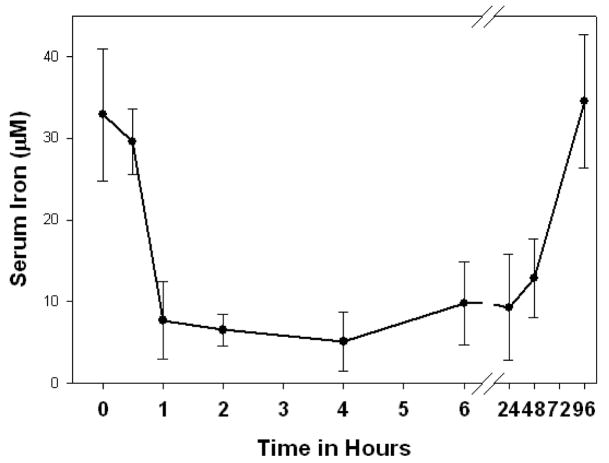
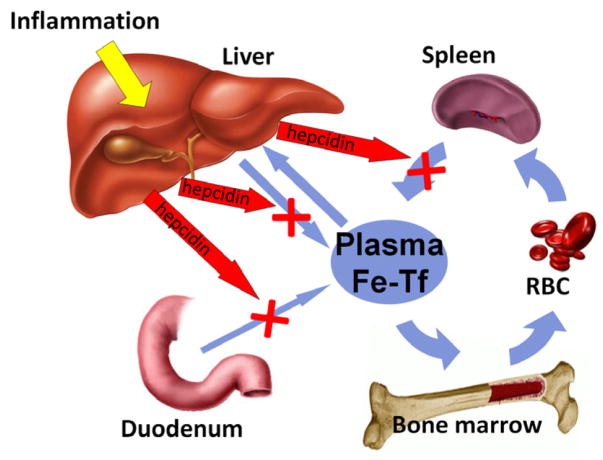
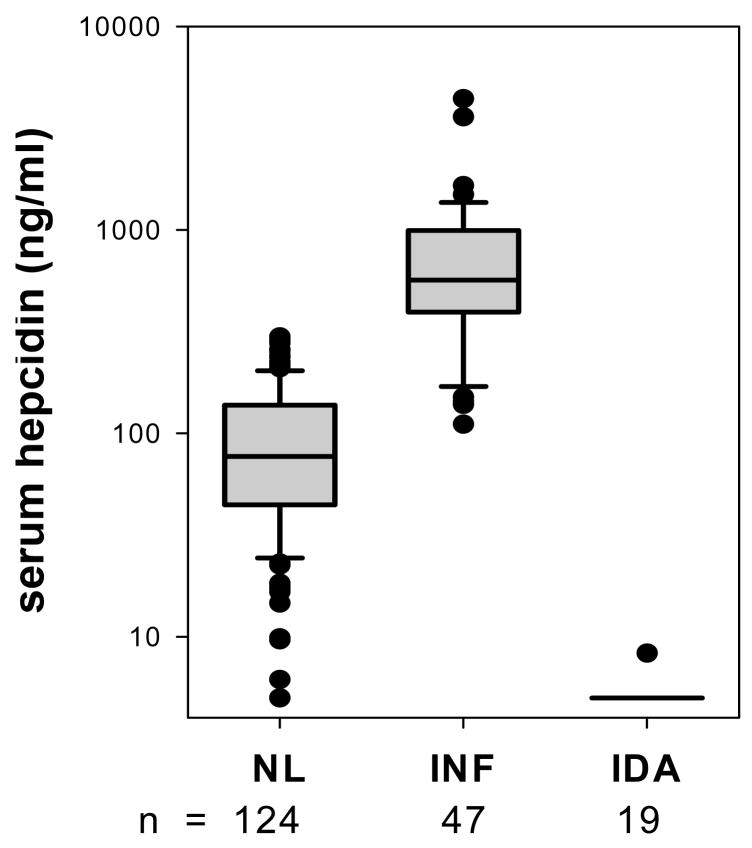
Anemia of chronic disease, also called anemia of inflammation, is characterized by hypoferremia due to iron sequestration that eventually results in iron-restricted erythropoiesis. During the last decade, the molecular mechanisms of iron sequestration have been found to center on cytokine-stimulated overproduction of the iron-regulatory hormone hepcidin. The inflammatory cytokine interleukin-6 (IL-6) is a particularly prominent inducer of hepcidin, but other cytokines are likely to contribute as well. Hepcidin excess causes the endocytosis and proteolysis of the sole known cellular iron exporter, ferroportin, trapping iron in macrophages and iron-absorbing enterocytes. The supply of iron to hemoglobin synthesis becomes limiting, eventually resulting in anemia. Depending on the details of the underlying disease, other inflammation-related mechanisms may also contribute to anemia.
Figures
References
-
- Kemna E, Pickkers P, Nemeth E, van der HH, Swinkels D. Time-course analysis of hepcidin, serum iron, and plasma cytokine levels in humans injected with LPS. Blood. 2005;106:1864–1866. - PubMed
Publication types
MeSH terms
Substances
Grants and funding
LinkOut - more resources
Full Text Sources
Other Literature Sources
Medical
