


Simian varicella in old world monkeys
- PMID: 19793453
- PMCID: PMC2703154
Simian varicella in old world monkeys
Abstract
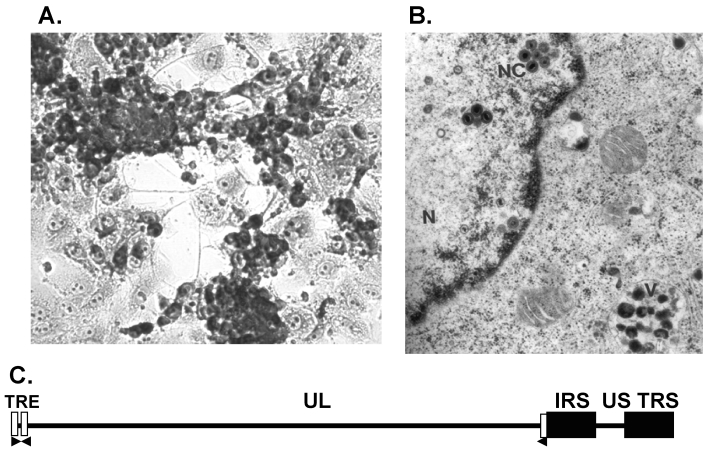
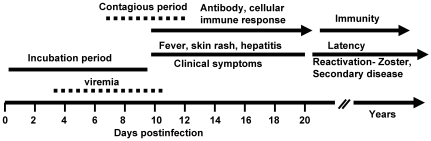
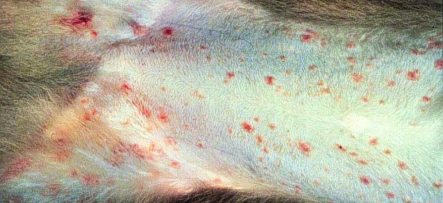
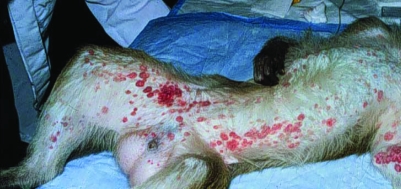
Simian varicella virus (SVV) causes a natural erythematous disease in Old World monkeys and is responsible for simian varicella epizootics that occur sporadically in facilities housing nonhuman primates. This review summarizes the biology of SVV and simian varicella as a veterinary disease of nonhuman primates. SVV is closely related to varicella-zoster virus, the causative agent of human varicella and herpes zoster. Clinical signs of simian varicella include fever, vesicular skin rash, and hepatitis. Simian varicella may range from a mild infection to a severe and life-threatening disease, and epizootics may have high morbidity and mortality rates. SVV establishes a lifelong latent infection in neural ganglia of animals in which the primary disease resolves, and the virus may reactivate later in life to cause a secondary disease corresponding to herpes zoster. Prompt diagnosis is important for control and prevention of epizootics. Antiviral treatment for simian varicella may be effective if administered early in the course of infection.
Figures
References
-
- Achilli G, Sarasini A, Gerna G, Iltis JP, Madden DL. 1984. Antibody response of patas monkeys to experimental infection with delta herpesvirus. Eur J Clin Microbiol 3:158–159 - PubMed
-
- Achilli G, Sarasini A, Revello MG, Torsellini-Gerna M, Gerna G, Iltis JP, Madden DL. 1984. Kinetics of virus-specific IgG and IgM antibody response in patas monkeys experimentally infected with delta herpesvirus by enzyme-linked immunosorbent assay. Microbiologica 7:287–297 - PubMed
-
- Allen WP, Felsenfeld AD, Wolf RH, Smetana HF. 1974. Recent studies on the isolation and characterization of delta herpesvirus. Lab Anim Sci 24:222–228 - PubMed
-
- Ashburn CV, Gray WL. 1999. Identification and characterization of the simian varicella virus uracil DNA glycosylase. Arch Virol 144:2161–2172 - PubMed
-
- Ashburn CV, Gray WL. 2002. Expression of the simian varicella virus glycoprotein L and H. Arch Virol 147:335–348 - PubMed
Publication types
MeSH terms
Substances
Grants and funding
LinkOut - more resources
Full Text Sources