


Symptom experience in HIV-infected adults: a function of demographic and clinical characteristics
- PMID: 19811886
- PMCID: PMC2794949
- DOI: 10.1016/j.jpainsymman.2009.05.013
Symptom experience in HIV-infected adults: a function of demographic and clinical characteristics
Abstract
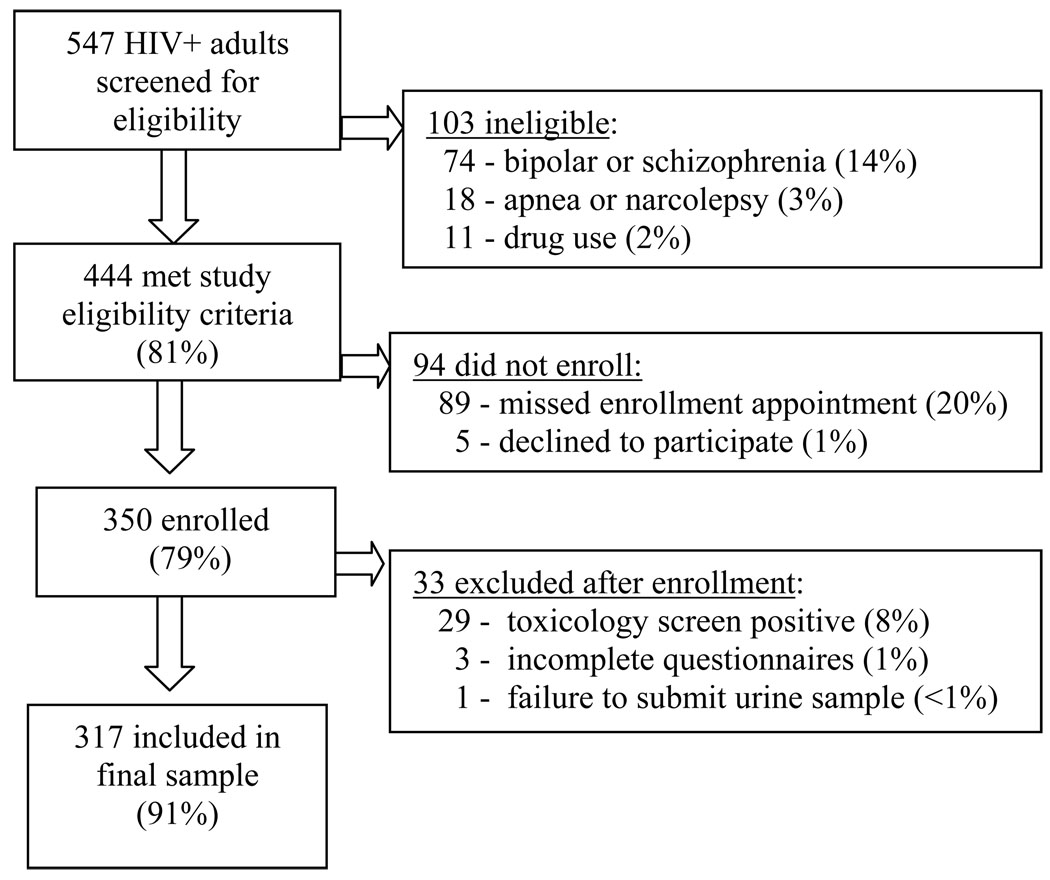
Personal characteristics that interact with both HIV diagnosis and its medical management can influence symptom experience. Little is known about how symptoms in populations with chronic illness vary by age, sex, or socioeconomic factors. As part of an ongoing prospective longitudinal study, this report describes symptoms experienced by 317 men and women living with HIV/AIDS. Participants were recruited at HIV clinics and community sites in the San Francisco Bay Area. Measures included the most recent CD4 cell count and viral load from the medical record, demographic and treatment variables, and the 32-item Memorial Symptom Assessment Scale to estimate prevalence, severity, and distress of each symptom and global symptom burden. The median number of symptoms was nine, and symptoms experienced by more than half the sample population included lack of energy (65%), drowsiness (57%), difficulty sleeping (56%), and pain (55%). Global symptom burden was unrelated to age or CD4 cell count. Those with an AIDS diagnosis had significantly higher symptom burden scores, as did those currently receiving antiretroviral therapy. African Americans reported fewer symptoms than Caucasians or Mixed/Other race, and women reported more symptom burden after controlling for AIDS diagnosis and race. Because high symptom burden is more likely to precipitate self-care strategies that may potentially be ineffective, strategies for symptom management would be better guided by tailored interventions from health care providers.
Figures
References
-
- Centers for Disease Control and Prevention. HIV/AIDS surveillance report. [Accessed August 3, 2008]. Available at: http://www.cdc.gov/hiv/topics/surveillance/basic.htm#aidsage.
-
- Harding R, Molloy T. Positive futures? The impact of HIV infection on achieving health, wealth and future planning. AIDS Care. 2008;20:565–570. - PubMed
-
- Harding R, Molloy T, Easterbrook P, Frame K, Higginson IJ. Is antiretroviral therapy associated with symptom prevalence and burden? International J STD & AIDS. 2006;17:400–405. - PubMed
-
- Breitbart W, McDonald MV, Rosenfeld B, Monkman ND, Passik SD. Fatigue in ambulatory AIDS patients. J Pain Symptom Manage. 1998;15:159–167. - PubMed
-
- Vogl D, Rosenfeld B, Breitbart W, et al. Symptom prevalence, characteristics, and distress in AIDS outpatients. J Pain Symptom Manage. 1999;18:253–262. - PubMed
Publication types
MeSH terms
Grants and funding
LinkOut - more resources
Full Text Sources
Medical
Research Materials
