


Successful small intestine colonization of adult mice by Vibrio cholerae requires ketamine anesthesia and accessory toxins
- PMID: 19812690
- PMCID: PMC2753775
- DOI: 10.1371/journal.pone.0007352
Successful small intestine colonization of adult mice by Vibrio cholerae requires ketamine anesthesia and accessory toxins
Abstract
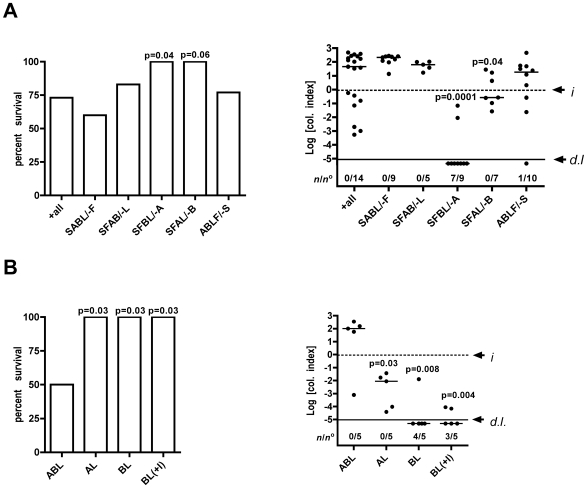
Vibrio cholerae colonizes the small intestine of adult C57BL/6 mice. In this study, the physical and genetic parameters that facilitate this colonization were investigated. Successful colonization was found to depend upon anesthesia with ketamine-xylazine and neutralization of stomach acid with sodium bicarbonate, but not streptomycin treatment. A variety of common mouse strains were colonized by O1, O139, and non-O1/non-O139 strains. All combinations of mutants in the genes for hemolysin, the multifunctional, autoprocessing RTX toxin (MARTX), and hemagglutinin/protease were assessed, and it was found that hemolysin and MARTX are each sufficient for colonization after a low dose infection. Overall, this study suggests that, after intragastric inoculation, V. cholerae encounters barriers to infection including an acidic environment and an immediate immune response that is circumvented by sodium bicarbonate and the anti-inflammatory effects of ketamine-xylazine. After initial adherence in the small intestine, the bacteria are subjected to additional clearance mechanisms that are evaded by the independent toxic action of hemolysin or MARTX. Once colonization is established, it is suggested that, in humans, these now persisting bacteria initiate synthesis of the major virulence factors to cause cholera disease. This adult mouse model of intestinal V. cholerae infection, now well-characterized and fully optimized, should serve as a valuable tool for studies of pathogenesis and testing vaccine efficacy.
Conflict of interest statement
Figures


References
-
- Cash RA, Music SI, Libonati JP, Snyder MJ, Wenzel RP, et al. Response of man to infection with Vibrio cholerae. I. Clinical, serologic, and bacteriologic responses to a known inoculum. J Infect Dis. 1974;129:45–52. - PubMed
-
- Kirn TJ, Lafferty MJ, Sandoe CM, Taylor RK. Delineation of pilin domains required for bacterial association into microcolonies and intestinal colonization by Vibrio cholerae. Mol Microbiol. 2000;35:896–910. - PubMed
Publication types
MeSH terms
Substances
Grants and funding
LinkOut - more resources
Full Text Sources
Other Literature Sources
Medical
