


Multidrug-resistant gram-negative bacteria at a long-term care facility: assessment of residents, healthcare workers, and inanimate surfaces
- PMID: 19835474
- PMCID: PMC5431577
- DOI: 10.1086/648453
Multidrug-resistant gram-negative bacteria at a long-term care facility: assessment of residents, healthcare workers, and inanimate surfaces
Abstract
Objective: To characterize the clinical and molecular epidemiology of multidrug-resistant (MDR) organisms in residents, in healthcare workers (HCWs), and on inanimate surfaces at a long-term care facility (LTCF).
Design: Point-prevalence study in 4 separate wards at a 600-bed urban LTCF that was conducted from October 31, 2006 through February 5, 2007.
Participants: One hundred sixty-one LTCF residents and 13 HCWs.
Methods: Nasal and rectal samples were obtained for culture from each resident, selected environmental surfaces in private and common rooms, and the hands and clothing of HCWs in each ward. All cultures were evaluated for the presence of MDR gram-negative bacteria, methicillin-resistant Staphylococcus aureus, and vancomycin-resistant enterococci. Clinical and demographic information were collected for each enrolled resident. Molecular typing was performed to identify epidemiologically related strains.
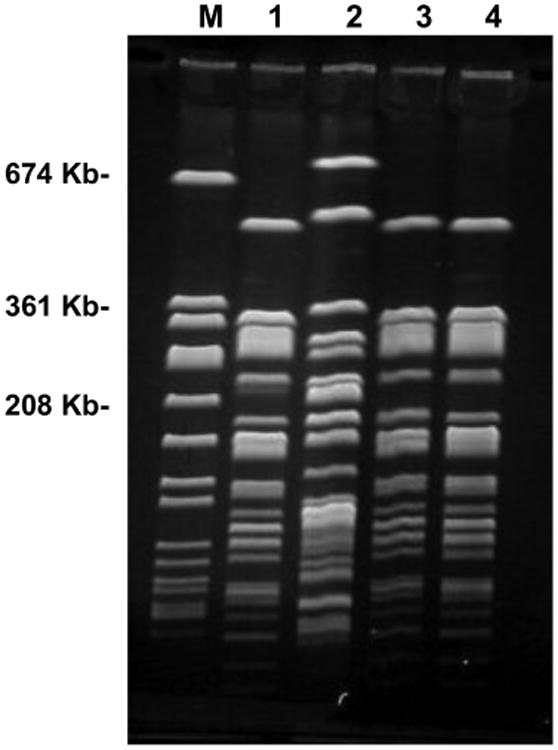
Results: A total of 37 (22.8%), 1 (0.6%), and 18 (11.1%) residents were colonized with MDR gram-negative bacteria, vancomycin-resistant enterococci, and methicillin-resistant S. aureus, respectively. MDR gram-negative bacteria were recovered from 3 (1.8%) of the 175 environmental samples cultured, all of which were obtained from common areas in LTCF wards. One (7.7%) of the 13 HCWs harbored MDR gram-negative bacteria. Molecular typing identified clonally related MDR gram-negative strains in LTCF residents. After multivariable analysis, length of hospital stay of at least 4 years, fecal incontinence, and antibiotic exposure for at least 8 days were independent risk factors associated with harboring MDR gram-negative bacteria among LTCF residents.
Conclusions: The prevalence of MDR gram-negative bacteria is high among LTCF residents and exceeds that of vancomycin-resistant enterococci and methicillin-resistant S. aureus. Common areas in LTCFs may provide a unique opportunity for person-to-person transmission of MDR gram-negative bacteria.
Conflict of interest statement
Potential conflicts of interest. All authors report no conflicts of interest relative to this study.
Figures
References
-
- Cosgrove SE. The relationship between antimicrobial resistance and patient outcomes: mortality, length of hospital stay, and health care costs. Clin Infect Dis. 2006;42:S82–89. - PubMed
-
- Daxboeck F, Budic T, Assadian O, Reich M, Koller W. Economic burden associated with multi-resistant Gram-negative organisms compared with that for methicillin-resistant Staphylococcus aureus in a university teaching hospital. J Hosp Infect. 2006;62:214–218. - PubMed
-
- The cost of antibiotic resistance: effect of resistance among Staphylococcus aureus, Klebsiella pneumoniae, Acinetobacter baumannii, and Pseudmonas aeruginosa on length of hospital stay. Infect Control Hosp Epidemiol. 2002;23:106–108. - PubMed
-
- Evans HL, Lefrak SN, Lyman J, et al. Cost of gram-negative resistance. Crit Care Med. 2007;35:89–95. - PubMed
Publication types
MeSH terms
Grants and funding
LinkOut - more resources
Full Text Sources
