


A novel form of 4-1BBL has better immunomodulatory activity than an agonistic anti-4-1BB Ab without Ab-associated severe toxicity
- PMID: 19836479
- PMCID: PMC2805442
- DOI: 10.1016/j.vaccine.2009.09.127
A novel form of 4-1BBL has better immunomodulatory activity than an agonistic anti-4-1BB Ab without Ab-associated severe toxicity
Abstract
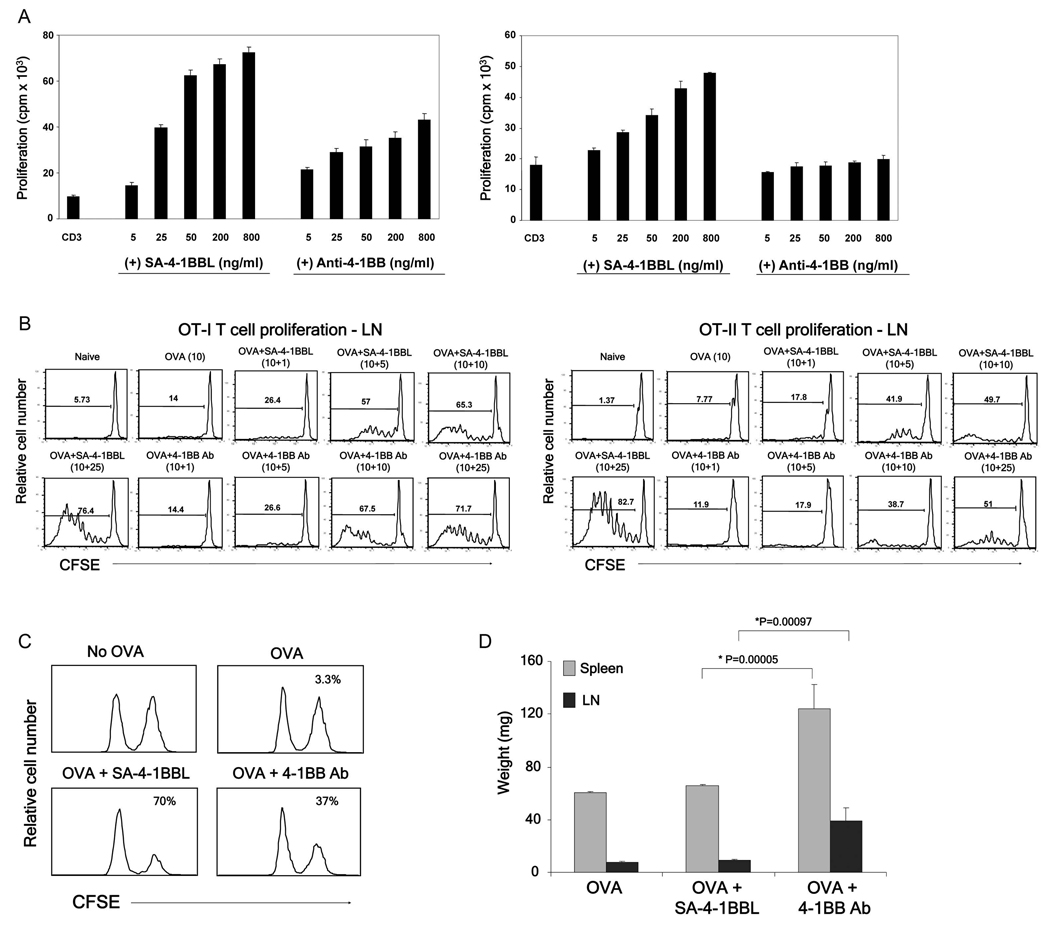
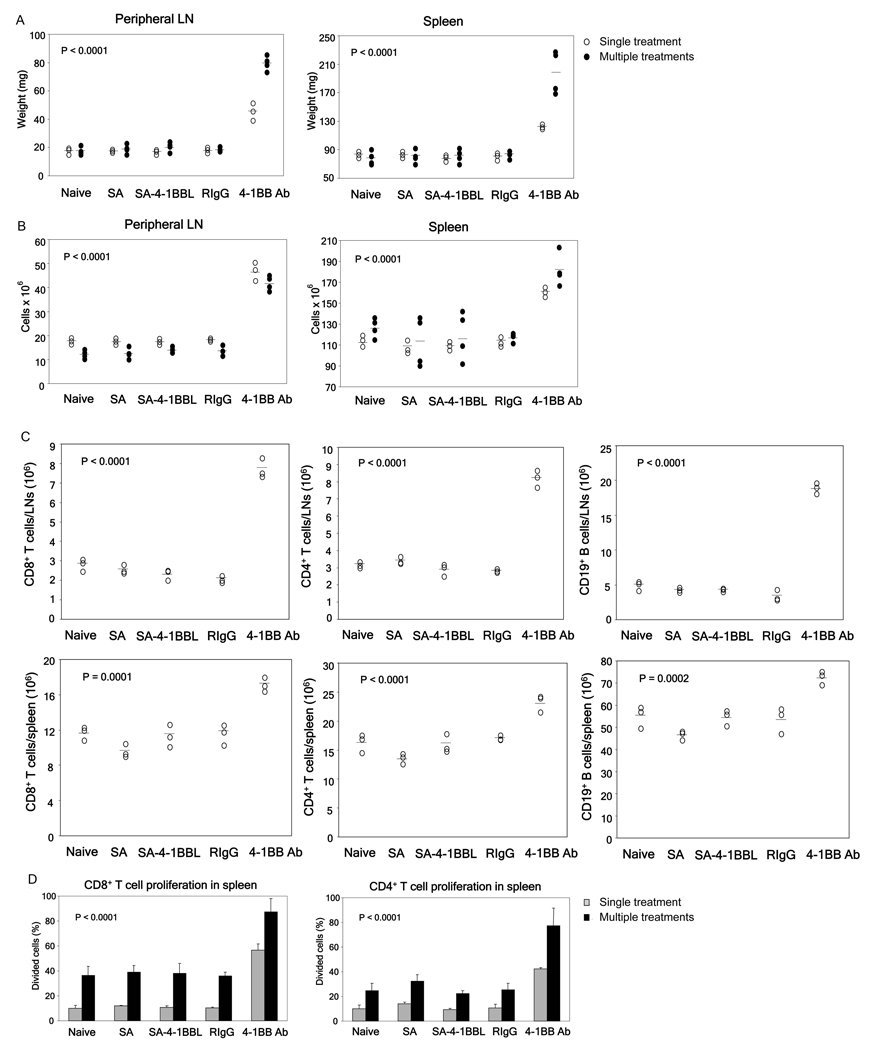
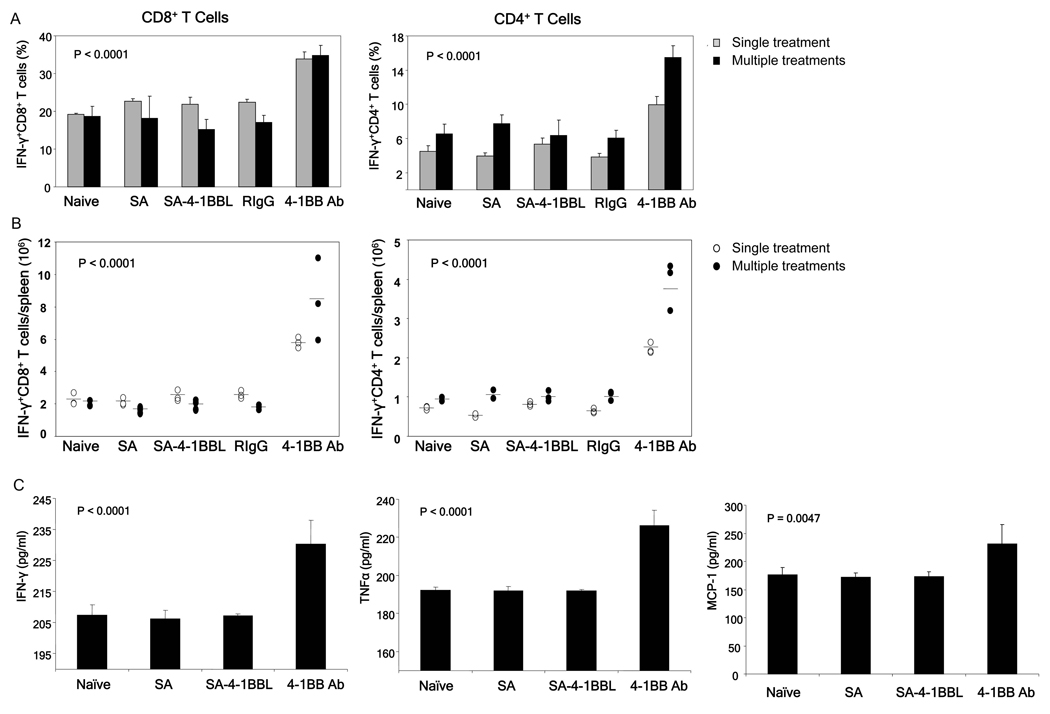
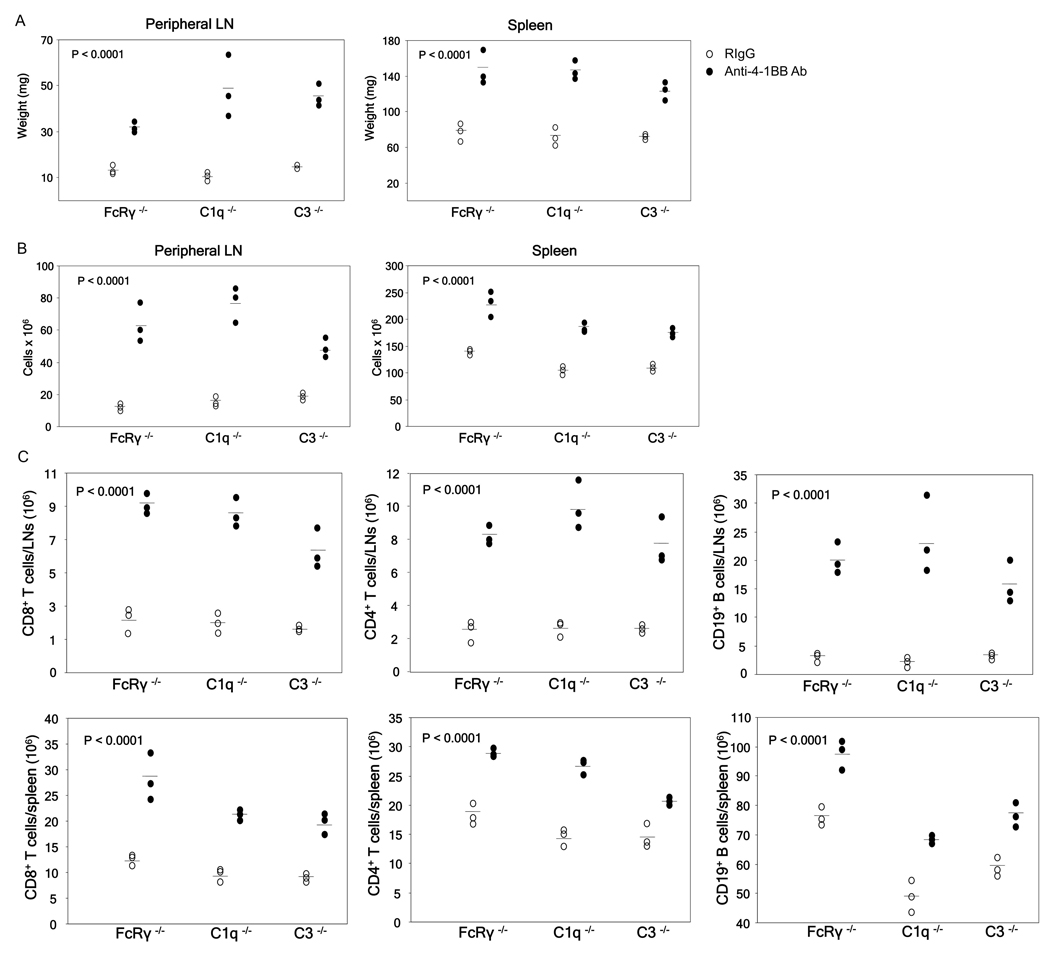
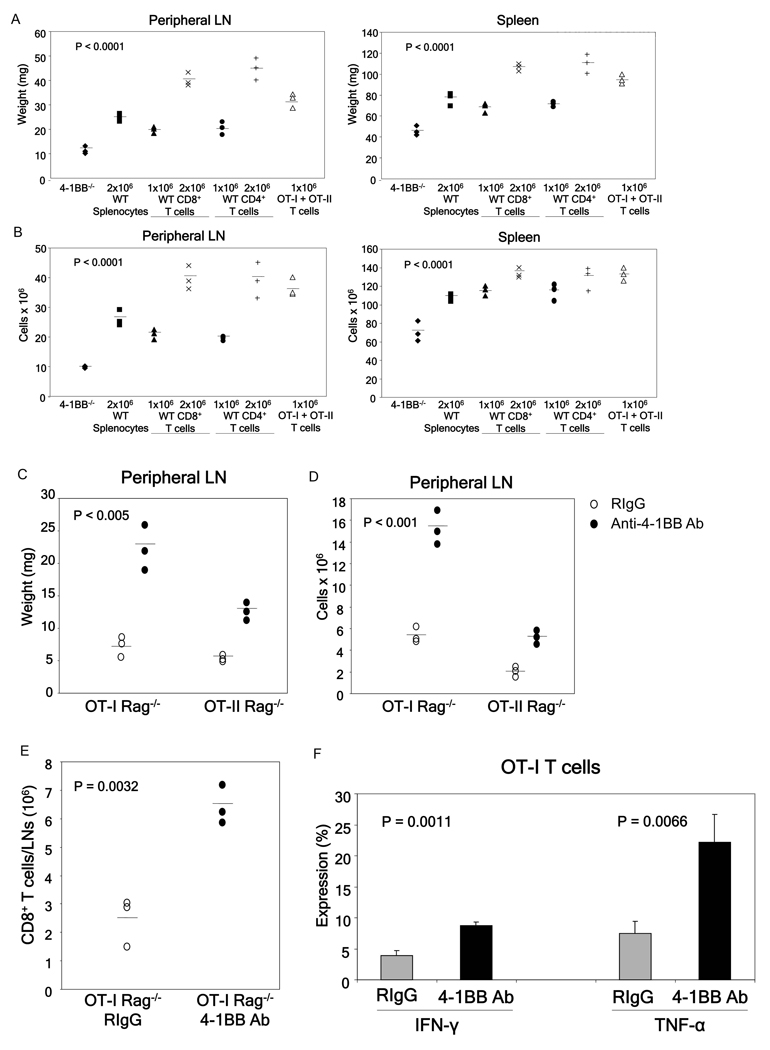
Agonistic Abs to select costimulatory members of CD28 and TNFR family have shown efficacy in various preclinical cancer immunotherapeutic settings. However, the use of agonistic Abs is often associated with severe toxicity due to non-specific activation of lymphocytes. We hypothesized that natural costimulatory ligands may serve as more potent and safer alternative to agonistic Abs for immunotherapy. In this communication, we focused on 4-1BBL as the molecule of choice because of the pleiotropic effects of 4-1BB signaling in the immune system and the demonstrated therapeutic efficacy of 4-1BB agonistic Abs in preclinical cancer and infection models. We report that a novel form of soluble ligand, SA-4-1BBL, delivered more potent and qualitatively different signals to T cells than an agonistic Ab. Importantly, while treatment of naïve mice with the agonistic Ab resulted in severe toxicity, as assessed by enlarged spleen and peripheral LNs, non-specific T cell proliferation, hepatitis, and systemic inflammatory cytokine production, treatment with SA-4-1BBL lacked these immune anomalies. Agonistic Ab treatment produced full toxicity in FcgammaR(-/-) or complement C1q(-/-) or C3(-/-) knockout mice, suggesting lack of involvement of stimulatory FcgammaRs or complement system in the observed toxicity. Naïve and memory T cells served as direct targets of anti-4-1BB Ab-mediated toxicity. Potent immunostimulatory activity combined with lack of toxicity rationalizes further development of soluble SA-4-1BBL as an immunomodulatory component of therapeutic vaccines against cancer and chronic infections.
Conflict of interest statement
Figures
References
-
- Watts TH. TNF/TNFR family members in costimulation of T cell responses. Annu.Rev.Immunol. 2005;23:23–68. - PubMed
-
- Uno T, Takeda K, Kojima Y, et al. Eradication of established tumors in mice by a combination antibody-based therapy. Nat.Med. 2006;12:693–698. - PubMed
-
- Halstead ES, Mueller YM, Altman JD, Katsikis PD. In vivo stimulation of CD137 broadens primary antiviral CD8+ T cell responses. Nat.Immunol. 2002;3:536–541. - PubMed
-
- Melero I, Shuford WW, Newby SA, et al. Monoclonal antibodies against the 4-1BB T-cell activation molecule eradicate established tumors. Nat.Med. 1997;3:682–685. - PubMed
Publication types
MeSH terms
Substances
Grants and funding
LinkOut - more resources
Full Text Sources
Other Literature Sources
Research Materials
Miscellaneous
