


Empiric antibiotic therapy in acute uncomplicated urinary tract infections and fluoroquinolone resistance: a prospective observational study
- PMID: 19852849
- PMCID: PMC2770515
- DOI: 10.1186/1476-0711-8-27
Empiric antibiotic therapy in acute uncomplicated urinary tract infections and fluoroquinolone resistance: a prospective observational study
Abstract
Background: The aims of this study were to determine the antimicrobial susceptibility patterns of urinary isolates from community acquired acute uncomplicated urinary tract infections (uUTI) and to evaluate which antibiotics were empirically prescribed in the outpatient management of uUTI.
Methods: Among the patients which were admitted to outpatient clinics of Ankara University Medical Faculty, Ibni-Sina Hospital during 2005-2006, a total of 429 women between the age of 18 and 65 years old who were clinically diagnosed with uUTI and to whom prescribed empirical antibiotics were enrolled in this prospective observational study. Patients' demographical data, urine culture results, resistance rates to antimicrobial agents and prescribed empiric antimicrobial therapy were analyzed.
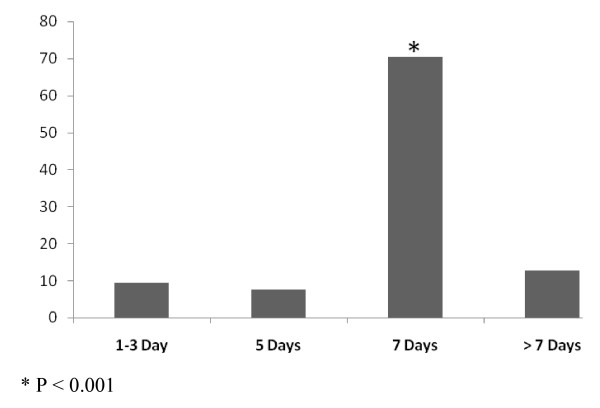
Results: Totally 390 (90.9%) patients among all study population were requested for urine culture by their physicians. 150 (38.5%) of these urine cultures were positive. The most common isolated uropathogen was Escherichia coli (E. coli) (71.3%). The variations of uropathogens according to age and menopause status were not significantly different.The resistance rates of E. coli isolates for ampicillin, ampicillin-sulbactam, amoxicillin-clavulonate, cefuroxime, ceftriaxone, fluoroquinolones (FQ), co-trimoxazole (TMP-SMX) and gentamicin were 55.1%, 32.7%, 32.7%, 23.4%, 15.9%, 25.2%, 41.1%, 6.1% respectively. FQ were the most common prescribed antibiotics (77.9%) (P < 0.001), followed by TMP-SMX (10.7%), fosfomycin (9.2%), nitrofurantoin (2.1%). Treatment durations were statistically longer than the recommended 3-day course (P < 0.001).
Conclusion: Empirical use of FQ in uUTI should be discouraged because of increased antimicrobial resistance rates.
Figures
References
MeSH terms
Substances
LinkOut - more resources
Full Text Sources
Other Literature Sources
Medical
