


Intradialytic hypertension: a less-recognized cardiovascular complication of hemodialysis
- PMID: 19853337
- PMCID: PMC2830363
- DOI: 10.1053/j.ajkd.2009.08.013
Intradialytic hypertension: a less-recognized cardiovascular complication of hemodialysis
Abstract
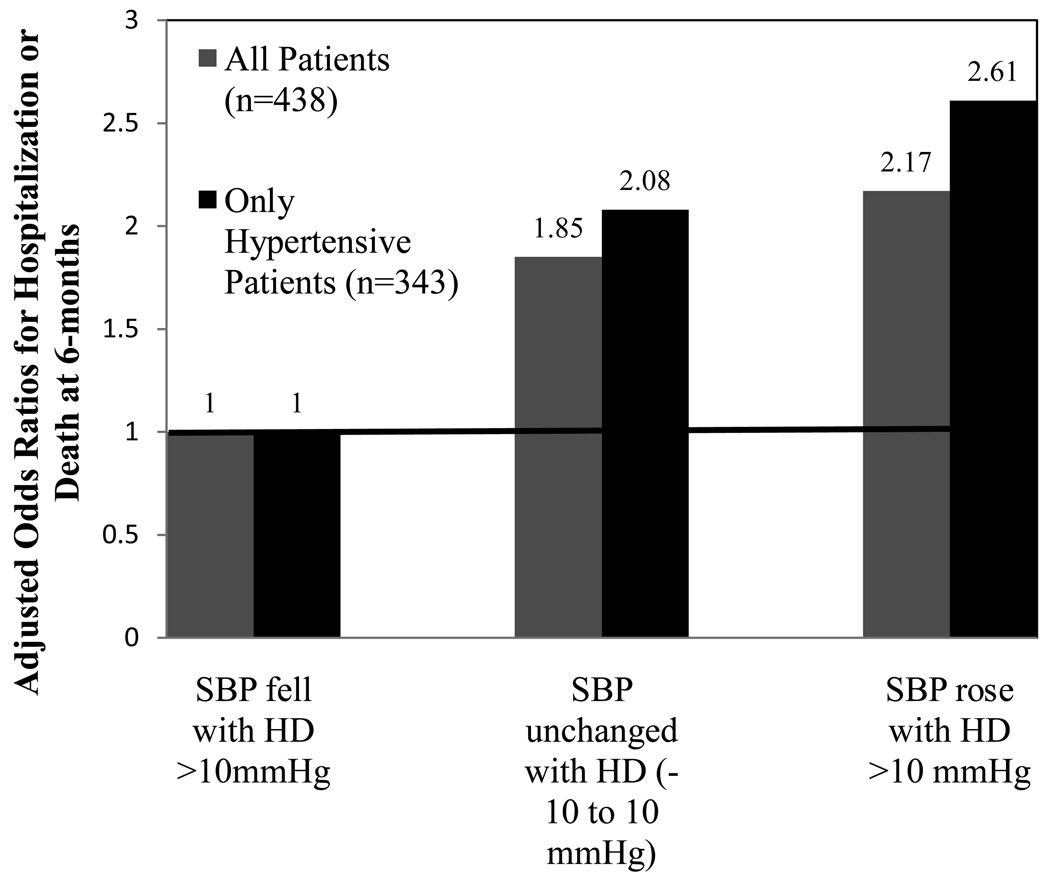
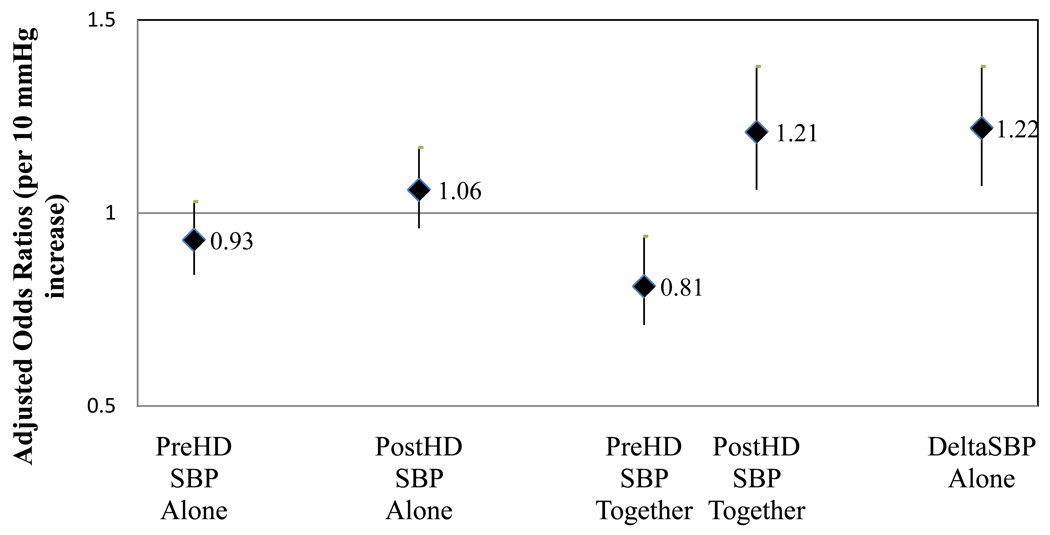
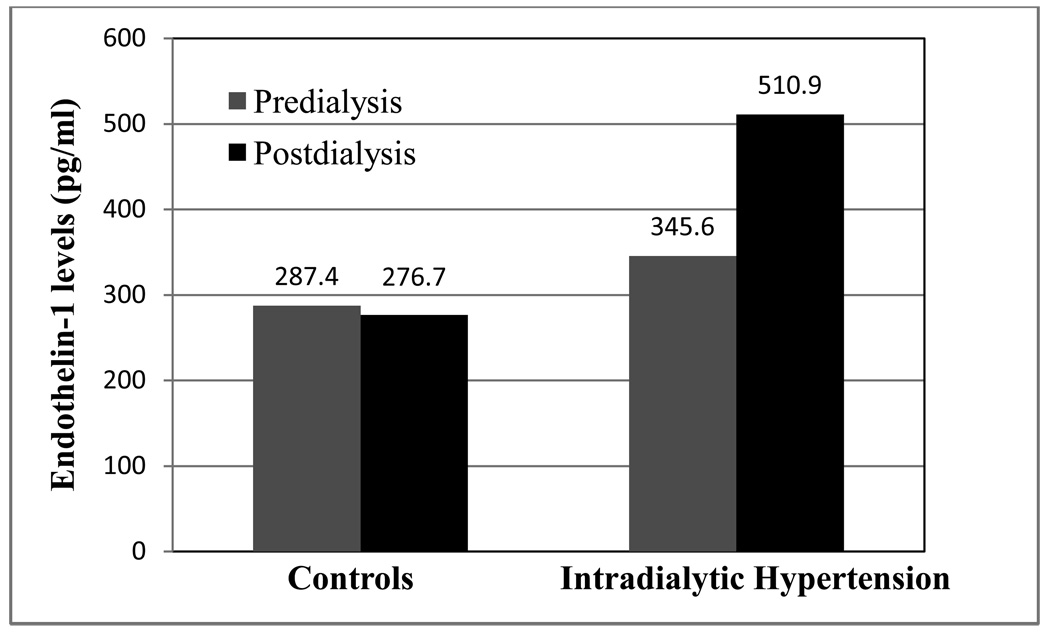
Intradialytic hypertension, defined as an increase in blood pressure during or immediately after hemodialysis that results in postdialysis hypertension, has long been recognized to complicate the hemodialysis procedure, yet often is largely ignored. In light of recent investigations suggesting that intradialytic hypertension is associated with adverse outcomes, this review broadly covers the epidemiologic characteristics, prognostic significance, potential pathogenic mechanisms, prevention, and possible treatment of intradialytic hypertension. Intradialytic hypertension affects up to 15% of hemodialysis patients and occurs more frequently in patients who are older, have lower dry weights, are prescribed more antihypertensive medications, and have lower serum creatinine levels. Recent studies associated intradialytic hypertension independently with higher hospitalization rates and decreased survival. Although the pathophysiologic mechanisms of intradialytic hypertension are uncertain, it likely is multifactorial and includes subclinical volume overload, sympathetic overactivity, activation of the renin-angiotensin system, endothelial cell dysfunction, and specific dialytic techniques. Prevention and treatment of intradialytic hypertension may include careful attention to dry weight, avoidance of dialyzable antihypertensive medications, limiting the use of high-calcium dialysate, achieving adequate sodium solute removal during hemodialysis, and using medications that inhibit the renin-angiotensin-aldosterone system or decrease endothelin 1 levels. In summary, although intradialytic hypertension often is underappreciated, recent studies suggest that it should not be ignored. However, further work is necessary to elucidate the pathophysiologic mechanisms of intradialytic hypertension and its appropriate management and determine whether treatment of intradialytic hypertension can improve clinical outcomes.
Copyright 2010 National Kidney Foundation, Inc. Published by Elsevier Inc. All rights reserved.
Figures
Comment in
-
"Malignant" intradialytic hypertension: a severe form of intradialytic hypertension.Am J Kidney Dis. 2010 Aug;56(2):418; author reply 418-9. doi: 10.1053/j.ajkd.2010.04.022. Am J Kidney Dis. 2010. PMID: 20659627 No abstract available.
References
-
- Levin NW. Intradialytic hypertension: I. Semin Dial. 1993;6:370–371.
-
- Fellner SK. Intradialytic hypertension: II. Semin Dial. 1993;6:371–373.
-
- Chen J, Gul A, Sarnak MJ. Management of intradialytic hypertension: the ongoing challenge. Semin Dial. 2006;19:141–145. - PubMed
Publication types
MeSH terms
Grants and funding
LinkOut - more resources
Full Text Sources
Medical
